
Kenya could still be grappling with gonorrhoea and other sexually transmitted infections (STIs) by the end of the decade, with a new World Health Organization (WHO) report warning that progress is being slowed by shrinking health funding, fragile healthcare systems and rising resistance to medicines used to treat the disease.
The report, released during last week's International AIDS Conference, reviewed global efforts made since 2022 to tackle HIV, viral hepatitis and sexually transmitted infections. Although countries committed to ending the three diseases as public health threats by 2030, WHO says the response to STIs is not keeping pace, with infections such as gonorrhoea and syphilis continuing to spread in many countries.
According to the report, one of the biggest concerns is that the antibiotics commonly used to treat gonorrhoea are becoming less effective, making the infection harder to control.
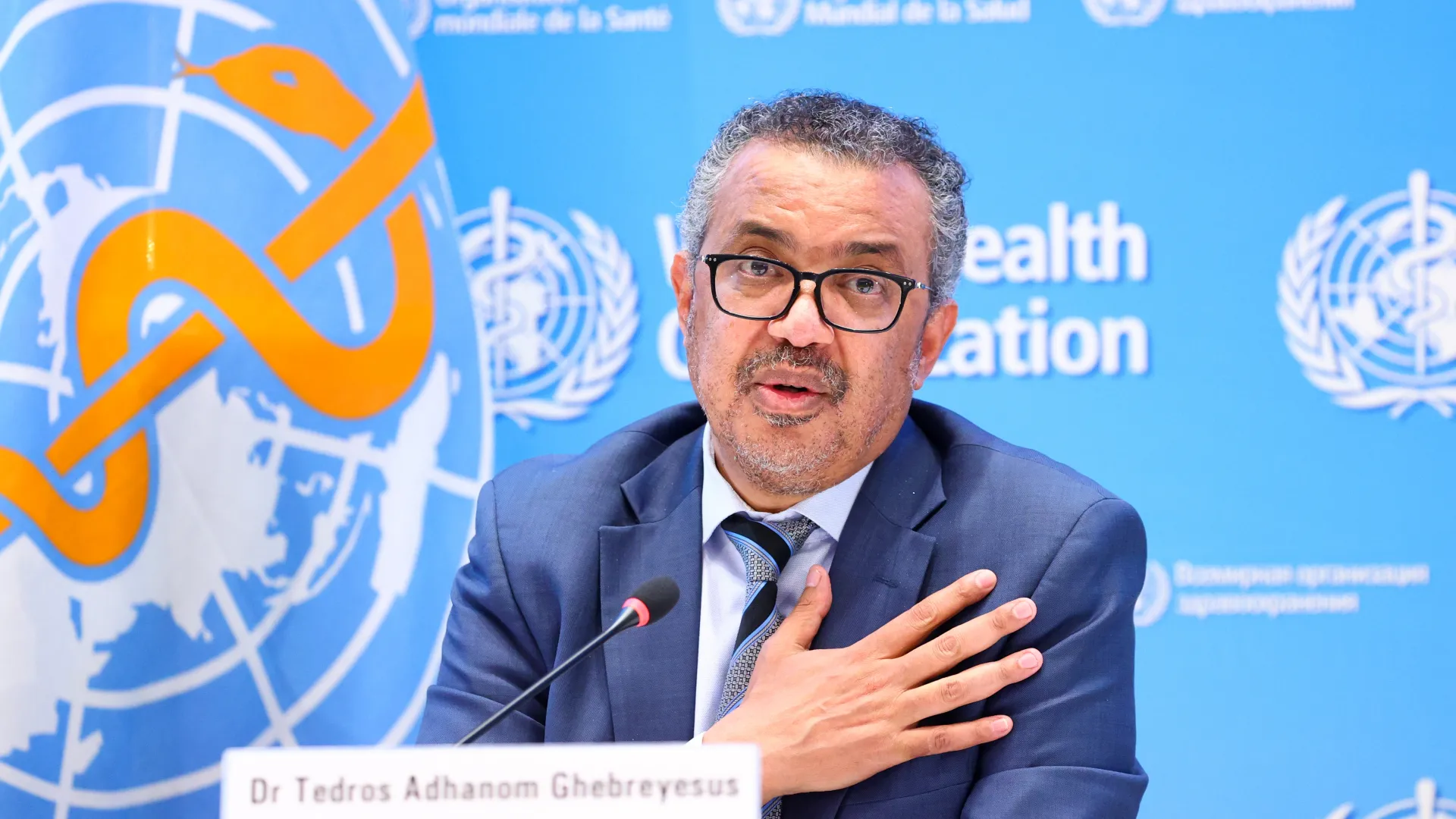
WHO Director General Dr Tedros Ghebreyesus said the findings highlight both the progress that has been achieved and the risks that could reverse those gains.
"This report tells two stories. It demonstrates what is possible when countries invest in health, communities and science. But it also shows how quickly progress can be undone with funding disruptions, humanitarian emergencies and persistent inequalities," he said.
"Over the next five years, we must build integrated, resilient health systems that reach those furthest behind."
In Kenya, records from the National Syndemic Disease Control Council (NSDCC) show that at least 309,419 people sought treatment for sexually transmitted infections in health facilities in 2023, although officials believe the actual number of infections is much higher because many cases go undetected.
The country has expanded syphilis screening over the past five years. NSDCC data shows the number of people tested increased from about 1.29 million in 2020 to 1.42 million in 2025.
The wider screening effort has been accompanied by a drop in confirmed infections, which declined from nearly 16,000 cases in 2020 to just over 9,000 last year. Despite the improvement, health officials say transmission remains a concern.
Nairobi registered the highest number of confirmed syphilis cases in 2025 after recording 1,068 positive results from 161,020 people screened. Homa Bay reported a smaller number of infections but had the country's highest positivity rate at 1.4 per cent, almost twice that of Nairobi.
Health authorities have also listed Uasin Gishu and Machakos among counties where syphilis infections have risen in recent years, placing them among areas experiencing a resurgence.
Turkana has, however, recorded one of the biggest improvements after reducing syphilis cases by more than half between 2023 and 2025 through community campaigns and quicker access to treatment.
NSDCC Chief Executive Officer Dr Douglas Bosire praised the county's efforts.
"Turkana county faced the most severe crisis in the country in 2023, recording 1,182 positive cases. Through relentless localised health campaigns, swift treatment and community outreach, the county cut that burden by 54 per cent, dropping to 540 cases in 2025," Dr Bosire said in June this year.
He said Kenya is aiming to lower syphilis prevalence among pregnant women attending antenatal clinics to below one per cent by 2030 under a new integrated strategy that brings together services for syphilis, HIV, tuberculosis and hepatitis.
Even with those gains, gonorrhoea continues to worry health experts. A study published this year by Kenyan researchers, including scientists from the Kenya Medical Research Institute and the University of Nairobi, found that the bacteria responsible for the disease is becoming increasingly resistant to antibiotics that have long been used for treatment.
The researchers described the trend as an urgent public health concern and called for stronger monitoring of infections, improved laboratory testing and tighter control over antibiotic use to help slow the spread of resistant strains.