
Parents have been urged to pay closer attention to unusual changes in their children's growth, weight and behaviour, as these could point to hormonal disorders that may affect their development if left untreated.
Children who remain unusually short compared with their peers, experience excessive thirst, lose weight despite eating well or show signs of delayed puberty could be suffering from underlying conditions requiring medical assessment, Paediatric Endocrinology Society of Kenya General Secretary Dr Madhura Joshi has warned.
Joshi said hormonal imbalances can interfere with several important stages of childhood development, affecting physical growth, brain development, metabolism and the onset of puberty.
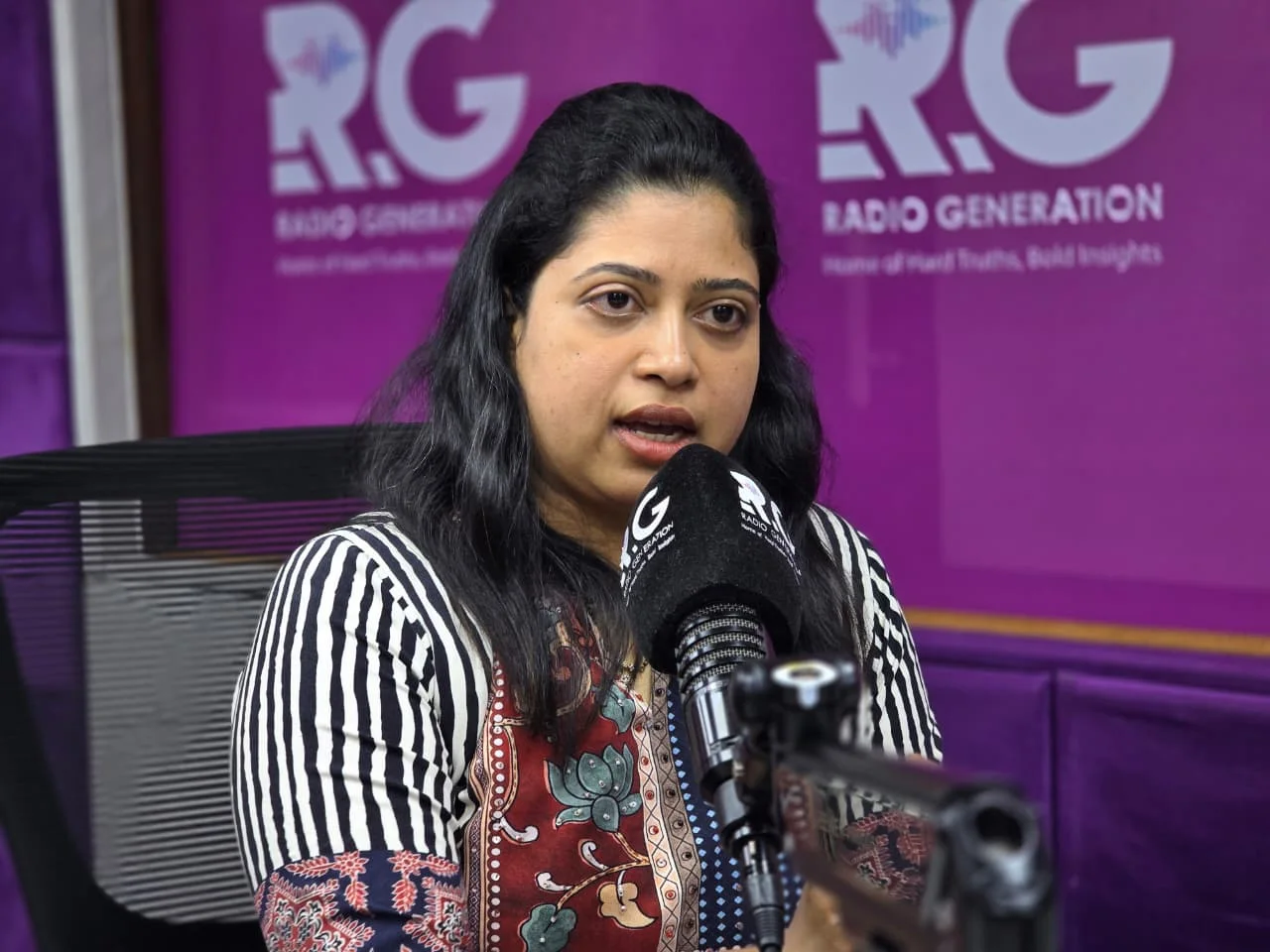
Speaking on Radio Generation on Friday, she identified short stature as one of the leading reasons children are taken to paediatric hormone clinics, alongside thyroid complications, childhood diabetes and obesity.
"One very common presentation to our endocrine clinic is a child who is growth retarded. Short stature is the commonest complaint that comes in," she said.
She explained that children's growth is controlled by several hormones, including growth hormone, thyroid hormone, oestrogen and testosterone. Their functions vary as children move through different stages of development, making it important to identify deficiencies or imbalances early.
Joshi particularly highlighted the need for thyroid checks during pregnancy and screening immediately after birth, noting that thyroid hormone is essential for proper brain development, metabolism and physical growth.
She cautioned that a deficiency during pregnancy could affect the neurological development of an unborn child, making early detection and treatment important for both mothers and newborns.
"If the mother who has conceived and is going to give birth to a baby has thyroid deficiency, then there can be delayed development in terms of neurology being affected," she said.
She encouraged expectant mothers to have their thyroid levels assessed and called for newborns to undergo screening through a simple blood test to establish whether they have any deficiencies.
According to Joshi, failure to identify and treat thyroid problems can lead to poor growth, excessive weight gain and delayed puberty. However, she said children can experience improvements in their development when the deficiency is detected and treated through hormone replacement.
"When you correct the thyroid hormone, you'll be surprised. The height augments. The puberty starts properly," she said.
On childhood diabetes, Joshi explained that Type 1 diabetes develops when the body's immune system attacks the cells in the pancreas responsible for producing insulin.
The damage leaves the body unable to regulate blood sugar properly, making affected children vulnerable to serious complications if the condition is not recognised early.
She urged parents to look out for warning signs such as frequent urination, excessive thirst and unexplained weight loss, saying these symptoms should prompt medical attention.
Of particular concern, she said, is diabetic ketoacidosis (DKA), a potentially fatal complication that can develop in children with diabetes.
The condition may present through vomiting, severe abdominal pain, heavy breathing and drowsiness, symptoms that require urgent medical intervention.
"If these four things are present, then immediately go to the emergency department of the nearest hospital," she said.
Joshi also expressed concern about the growing number of children struggling with obesity, linking the problem to reduced physical activity, increasingly sedentary lifestyles and greater consumption of processed foods.
She revealed that overweight and obese children account for a notable proportion of patients attending paediatric outpatient clinics, estimating that between five and six out of every 20 children seen on a typical clinic day fall into these categories.
She urged parents and healthcare providers to make regular assessments of children's weight, height and body mass index (BMI), using growth charts designed for different age groups.
Joshi explained that monitoring a child's growth over time provides a clearer picture of their development than relying on measurements taken during a single hospital visit.
"One weight taken on a particular day is like a photograph, but when you plot serial weights until the child has completely grown, it is like the whole picture," she said.
She said consistent monitoring helps parents and medical professionals recognise unusual growth patterns early, allowing them to investigate possible underlying conditions and provide treatment before further complications arise.