French businesses expanding presence in Kenya, says Alliance Francaise’s Obilo Ng’ong’o
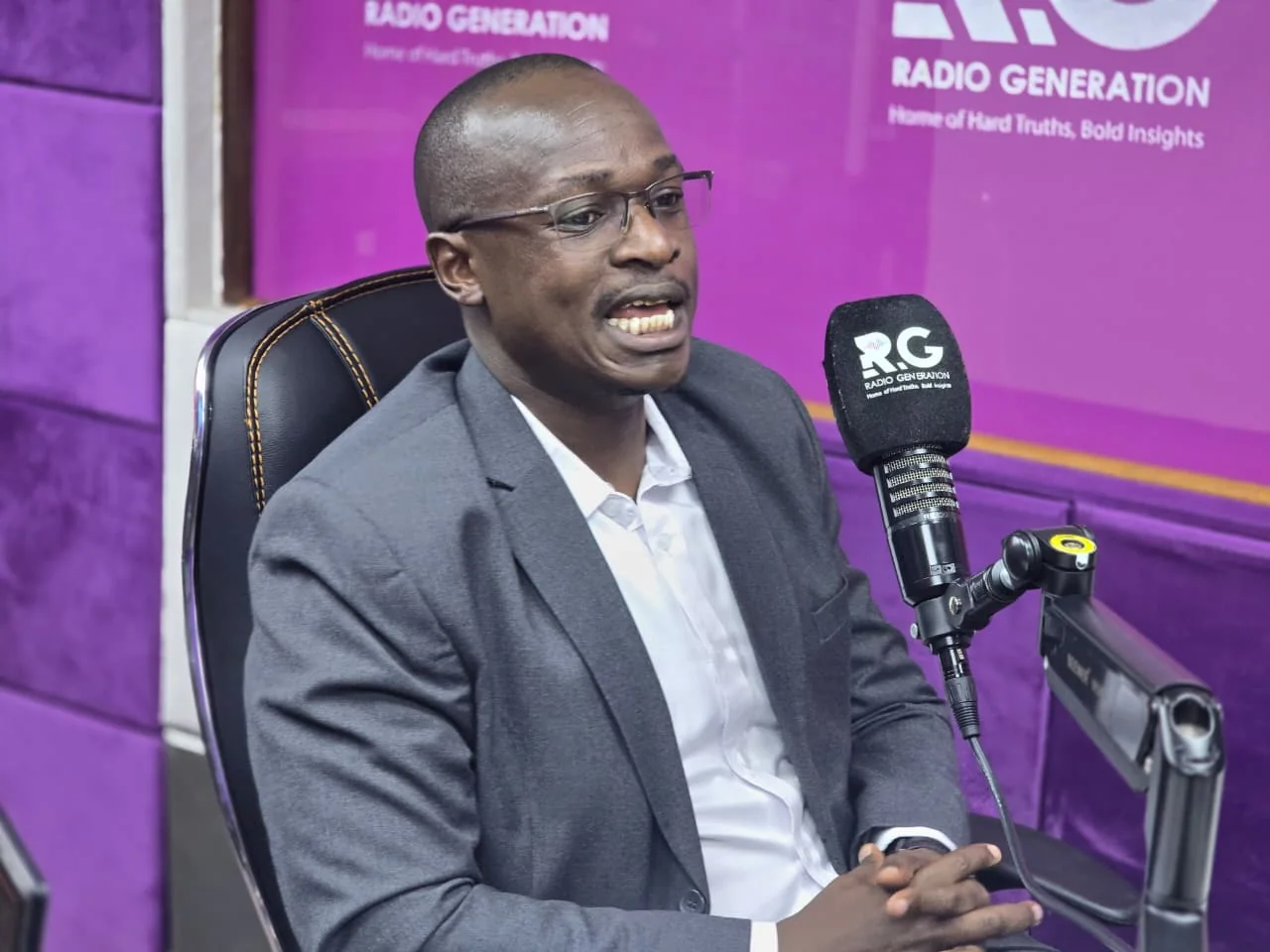
Alliance Française Nairobi Pedagogy Head Obilo Ng’ong’o says French firms are increasing investments in Kenya’s retail, infrastructure, education and training. He links the shift from aid to partnerships to upcoming Africa Forward Summit 2026 plans and long-term economic cooperation.
French companies are steadily increasing their footprint in Kenya through investments in retail, infrastructure, education and technical training, according to Alliance Francaise Nairobi Head of Pedagogy Obilo Ng’ong’o.
Speaking during a Radio Generation interview on Monday, Ng’ong’o said Kenya’s evolving relationship with France is shifting from aid dependency towards partnerships focused on trade, skills development, cultural exchange and long-term economic cooperation.
Head of Pedagogy at Alliance Francaise Nairobi highlighted that the relationship between Kenya and France was entering a new phase centred on partnerships rather than aid.
“I think we are moving from a position where this conversation will be about aid and what can you do for us,” he highlighted. “And we are moving towards a position of what can we do together.”
Ng’ong’o linked the growing engagement to an Africa Forward Summit 2026 expected to bring together several African heads of state in Kenya.
“As a country, it’s how can we benefit from each other,” he stressed, adding that Kenya stood to gain economically and diplomatically from hosting the discussions.
He described the event as “the biggest event Kenya had had since President Ruto came to power, saying it would strengthen Kenya’s engagement not only with France but also with Francophone African countries.
Ng’ong’o noted that France, while historically less visible than some Western partners, had maintained a long-standing economic presence in Kenya through manufacturing, retail, transport and infrastructure investments.
He cited the dominance of French-made Peugeot vehicles in Kenya during the 1980s and 1990s, alongside the role of French-linked cement giant Bamburi Cement in the country’s construction sector.
“For a long time, that was actually the cement we were using in the entire country,” Ng’ong’o explained, while highlighting the growing presence of French-linked businesses in Kenya, particularly in retail, adding: “You’ve been using beauty products from L’Oreal, for example. We’ve been shopping right now at Carrefour.”
The Alliance Francaise official argued that the arrival of Carrefour had transformed Kenya’s retail space while also introducing more French and international products to Kenyan consumers.
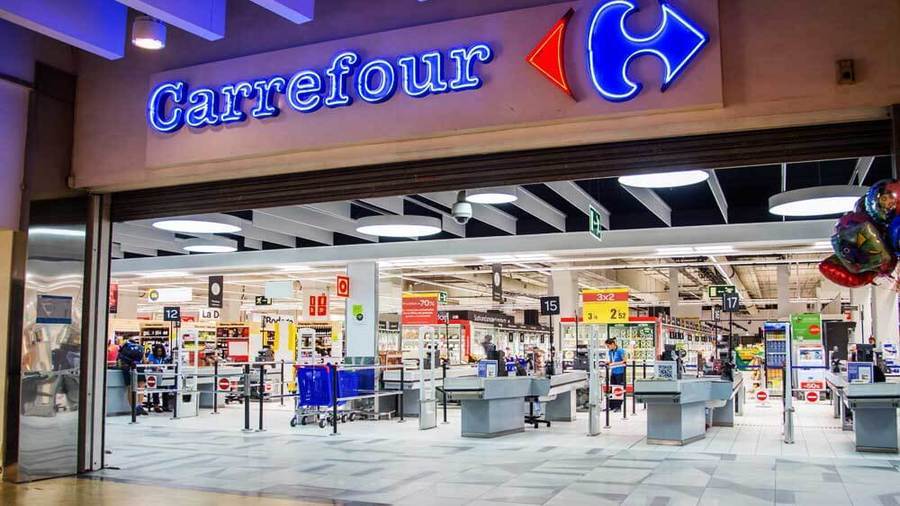 Carrefour Supermarket.PHOTO/Handout
Ng’ong’o further noted that Kenyan products were increasingly finding access to international markets through such partnerships.
“You find that Carrefour in their supermarkets have packaged Kenyan coffee, Kenyan tea, and this is also going to the other side,” he noted.
According to Ng’ong’o, the scale of French investment in Kenya has grown significantly in recent years.
“Before even Africa Forward Summit 2026 coming to Kenya, we already have about 140 French companies that are in the country,” he explained.
The growth has been substantial enough for French businesses operating locally to establish a French Chamber of Commerce to coordinate investment and partnerships.
Ng’ong’o also pointed to major French-supported infrastructure and sanitation projects implemented in western Kenya over the years, including water and waste management systems.
“The whole sanitation process was put in motion by the French,” he said while referring to projects undertaken in Kisumu.
He contrasted France’s approach with countries that publicly promote their aid projects more aggressively.
Beyond business investments, Ng’ong’o stressed France was increasingly supporting technical education and skills development in Kenya.
“The world is increasingly in need of technicians and people who can work using their hands,” he noted.
He highlighted that France had invested in technical and vocational institutions, particularly in engineering and applied sciences.
“PC Kinyanjui College is having funding by the French government,” he said, citing support for advanced technical programmes.
Ng’ong’o added that Kenyan medical and technical students were also benefiting from opportunities linked to French institutions, including internships, scholarships and exchange programmes.
Ng’ong’o said France currently charges significantly lower university fees compared to many Western countries, noting that students pursuing degrees there pay about Sh30,000 for an entire academic year.
He revealed that between 70 and 100 Kenyan students travel to France annually under a language assistant programme funded by the French government.
Ng’ong’o maintained that the broader objective of French engagement was not only economic expansion but also long-term capacity building.
“France is building here,” he explained. “Once you empower people, even if they are not your own people, then the day you will need them, you can ask for that help because the goodwill is already there.”




Comments
Sign in with Google to comment, reply, and like comments.
Continue with Google