
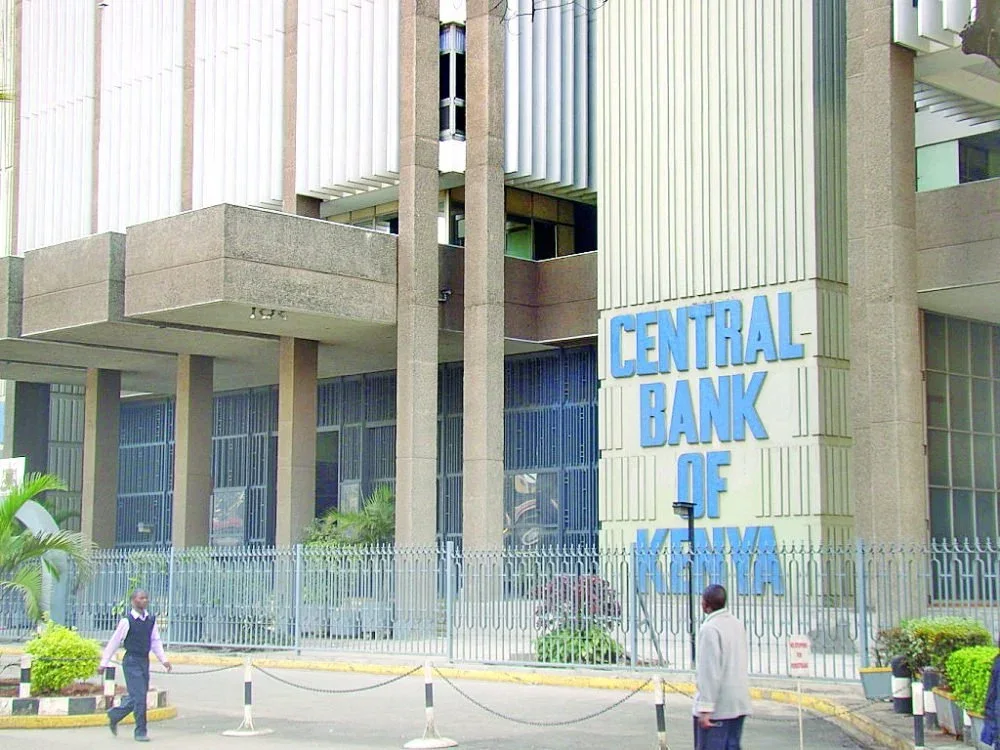
Kenya’s private sector credit growth is now expected to reach 11.2 per cent by the end of 2026, with banks anticipating stronger demand for loans from small businesses, farmers and companies in key industries, according to a new survey by the Central Bank of Kenya (CBK).
The revised forecast, up from 9.9 per cent projected in July, points to improving expectations for lending as financial institutions expand support for micro, small and medium-sized enterprises (MSMEs), while businesses benefit from stronger domestic demand and financing for key economic activities.
In its September 2026 Market Perceptions Survey, released on October 20, the CBK said credit growth would be supported by lending to agriculture, food value chains, trade, construction, energy and manufacturing. Partnerships aimed at improving access to finance for smaller businesses, alongside the growth of retail and digital lending services, are also expected to support the expansion.
“Banks projected overall credit growth of 11.2 percent, up from 9.9 percent in the July survey,” the CBK report said.
Small banks are expected to lead the sector, with their lending projected to grow by 13.8 per cent by the end of the year. Large banks anticipate growth of 11.3 per cent, while medium-sized lenders expect credit expansion of 10.2 per cent.
The projections come as businesses and households continue to face questions over operating expenses, purchasing power and the cost of borrowing, all of which could affect demand for loans in the coming months.
The survey points to moderate but steady economic activity during the final quarter of 2026, with stronger growth expected in December as businesses prepare for the festive season.
Higher lending, government spending on infrastructure and increased consumer demand are expected to support economic activity throughout October, November and December.
However, the CBK warned that rising inflation, uncertainty in the global economy and possible disruptions linked to El Niño conditions could slow the pace of growth.
Survey respondents expect the economy to record moderate growth in 2026, supported by continued activity in services, agriculture and industry, as well as monetary conditions that remain supportive of economic activity.
Looking further ahead, the survey projects average economic growth of about 4.5 per cent in 2027, followed by a recovery to above five per cent in both 2028 and 2029.
The expected improvement is likely to be supported by investment in housing, transport, energy and digital infrastructure. Growth in agricultural value chains, increased private sector lending and the wider use of digital services are also expected to play a role.
Despite the positive outlook, the report identified unemployment, declining household incomes and the high cost of living as continuing challenges. These pressures could reduce consumer spending and weaken business activity, limiting the expected gains in credit growth and investment.
Businesses expect inflation to remain slightly elevated over the next three months, mainly due to pressure on food supplies, higher fuel and transport costs, and changes in global market conditions.
The CBK noted that rising energy prices could push up the cost of transport, electricity, production and distribution, increasing expenses for businesses across different sectors.
Geopolitical tensions and movements in international commodity prices could also keep imported inflation high, adding pressure to the prices of goods and services in the domestic market.
Food costs are expected to remain under pressure because of supply shortages, lower production following the long rains and challenges in moving goods from farms to markets.
However, respondents expect some relief from improved agricultural output following the short rains, a stable exchange rate and more settled global oil prices. These factors could help slow price increases and ease pressure on households and businesses.
The inflation outlook remains important for the lending sector because changes in the cost of living and business expenses could affect demand for credit and the ability of borrowers to repay loans.
The survey indicates that borrowing costs are likely to remain broadly unchanged over the next 12 months, with respondents expecting a stable Central Bank Rate to support lending conditions.
However, the CBK noted that inflationary pressures and uncertainty in international markets could influence the direction of interest rates during the period.
For businesses considering expansion, stable lending rates would offer greater certainty when planning investments and deciding whether to borrow to finance operations.
The outlook for credit growth will also depend on how firms and households respond to prevailing economic conditions, including the cost of goods, income levels and access to affordable financing.
Employment outlook remains steady
Employment levels are expected to remain broadly stable in 2026 compared with 2025, although banks anticipate stronger recruitment activity than businesses in the non-bank private sector.
According to the survey, hiring decisions will depend on several factors, including plans to expand operations, the need to bring in new talent, efforts to widen the range of skills available to businesses, and measures to reduce costs and improve efficiency.
The findings suggest that employers will continue weighing the need for additional staff against operating expenses and the need to remain competitive.
Unemployment and pressure on household earnings remain among the challenges that could limit consumer demand, even as businesses expect some improvement in economic conditions.
Despite concerns over inflation and operating costs, respondents expressed optimism about Kenya’s economic outlook over the next 12 months.
Their expectations were supported by improving access to credit, planned investment in infrastructure and favourable conditions following the short rains.
The hospitality industry is also expected to perform steadily during the fourth quarter, with hotel bookings likely to receive support from safari trips, conferences, corporate functions and local festivals.
Demand is projected to strengthen in December as festive-season travel and other activities increase, providing support to hotels and related businesses.
The expected improvement in hospitality activity could contribute to wider economic growth through spending on accommodation, transport and other services.
Businesses call for tax and policy changes
The survey also highlighted several measures businesses believe would improve the operating environment and encourage investment.
Respondents called on the government to ensure value-added tax refunds are paid on time, provide a stable medium-term tax framework and make credit more affordable.
They also urged authorities to reduce the cost of energy, fuel and water while making these expenses more predictable, allowing businesses to plan their budgets with greater certainty.
Improved infrastructure was another priority, alongside the timely settlement of government pending bills, which businesses consider important for maintaining cash flow.
Respondents further called for stronger efforts to reduce corruption and more predictable government policies, saying these measures would help create a better environment for investment and business expansion.
The recommendations come as companies balance expectations of stronger economic activity against the cost of financing, production expenses and uncertainty over future business conditions.
Survey covered 400 private sector firms
The September 2026 Market Perceptions Survey targeted 400 private sector firms across the banking industry and other parts of the economy.
The participants included commercial banks, microfinance banks and non-bank businesses, providing the CBK with views on lending, inflation, employment and the general business outlook.
The survey recorded a response rate of 65 per cent, with feedback received from 38 commercial banks, 14 microfinance banks and 207 non-bank private sector firms.
The findings show that financial institutions expect lending to strengthen towards the end of 2026, even as businesses continue to monitor inflation, borrowing costs and other pressures that could affect economic activity.
While the outlook points to stronger private sector credit growth, the pace of expansion will depend on demand for financing, the cost of doing business and how economic conditions develop over the coming months.