
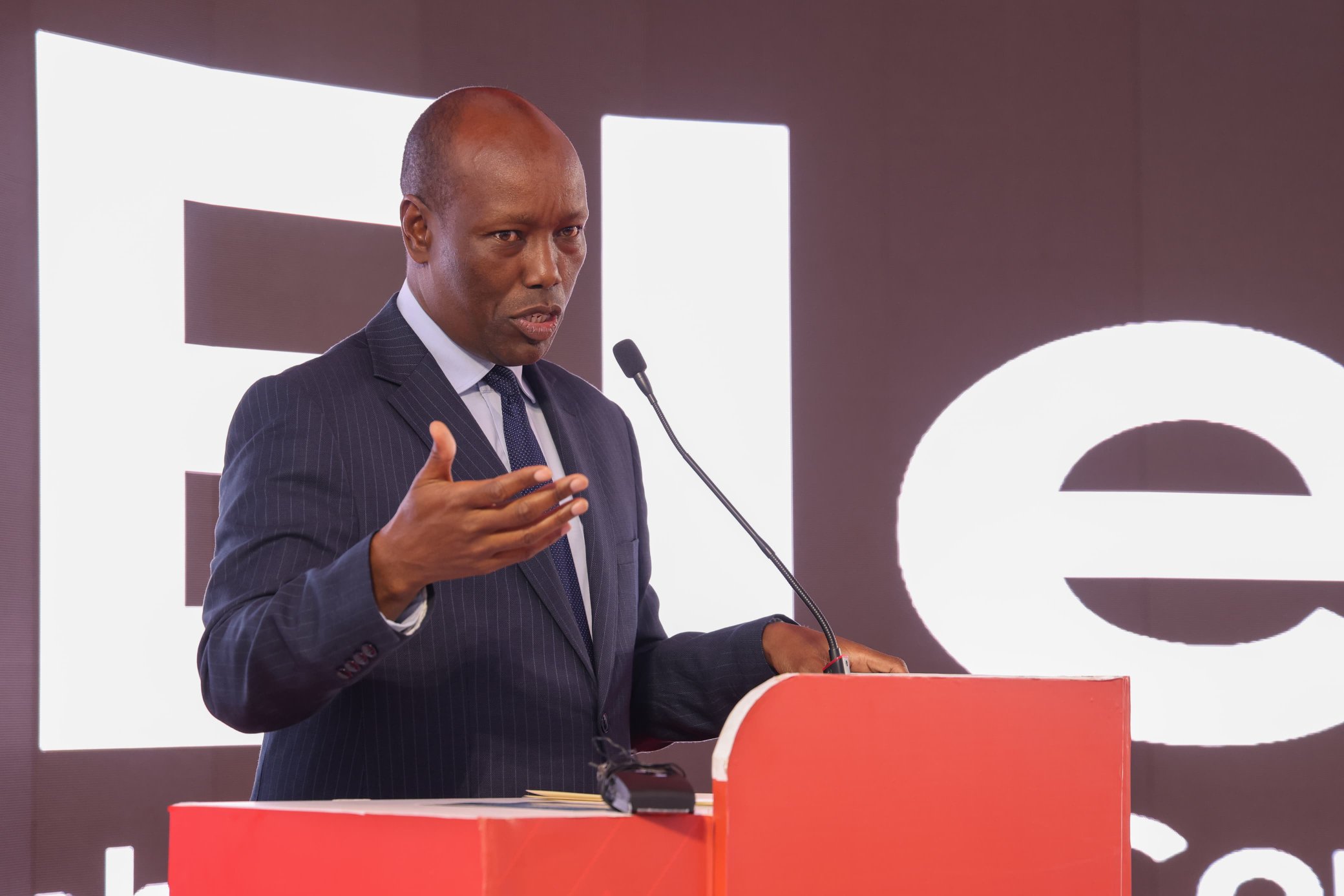
Trade Cabinet Secretary Lee Kinyanjui has urged Kenyans to prioritise locally manufactured products, warning that continued imports of goods that can be produced locally are denying the country jobs and slowing the growth of its industries.
Kinyanjui said Kenya had the skills and capacity to manufacture products that meet international standards, urging consumers to support local businesses as they seek to increase production and reach wider markets.
Speaking during the Changamka Festival, the CS backed President William Ruto's import substitution agenda, saying expanding local manufacturing would create more employment opportunities, particularly for young people, while strengthening the economy.
“For everything we import while we can buy local, while we can manufacture locally, we are actually exporting our jobs,” he said.
He expressed concern over the limited opportunities available to graduates trained in specialised fields, citing cases of chemical engineering graduates working in professions unrelated to their training because local industries were not operating at the required capacity.
Kinyanjui said expanding manufacturing would help create opportunities for skilled graduates while ensuring that the country makes better use of its trained workforce.
He revealed that the government had taken Kenyan manufacturers on trade missions to more than 10 countries over the past year to help them identify new markets, promote their products and grow their businesses beyond Kenya.
The CS also recognised young entrepreneurs participating in the festival, noting that some manufacturers showcasing their products were aged between 25 and 30.
He encouraged more young people to venture into manufacturing, saying they should not wait for perfect conditions before starting businesses or developing their ideas.
“Industry does not happen when all the conditions are perfect. It happens when you decide to move with what you have,” he said.
Kinyanjui further said the government would encourage the Council of Governors and county administrations to connect young people with established industrialists to promote partnerships, business growth and employment opportunities.
He called for stronger cooperation between universities, technical training institutions and manufacturers to ensure graduates acquire practical skills that match the needs of the industry.
According to the CS, manufacturing remains an important avenue for expanding employment and increasing the sector's contribution to Kenya's Gross Domestic Product (GDP).
He also defended difficult government decisions in the sugar and cement industries, saying some of the measures taken were necessary to address longstanding challenges and support the growth of local manufacturing.
Kinyanjui pointed to government efforts to tackle cartels in the sugar sector and interventions in the cement industry as examples of decisions whose positive effects were beginning to emerge.
“Growth in industry will not come without hard decisions,” he said.
The CS challenged Kenyans to prioritise practical development plans over political rhetoric, arguing that the country needed clear policies and commitments in key areas such as education and manufacturing.
“No nation can be run on slogans, and worst of all, empty slogans. Slogans are cheap substitutes of agenda,” he said.