Tanzania blocks European MPs’ human rights mission
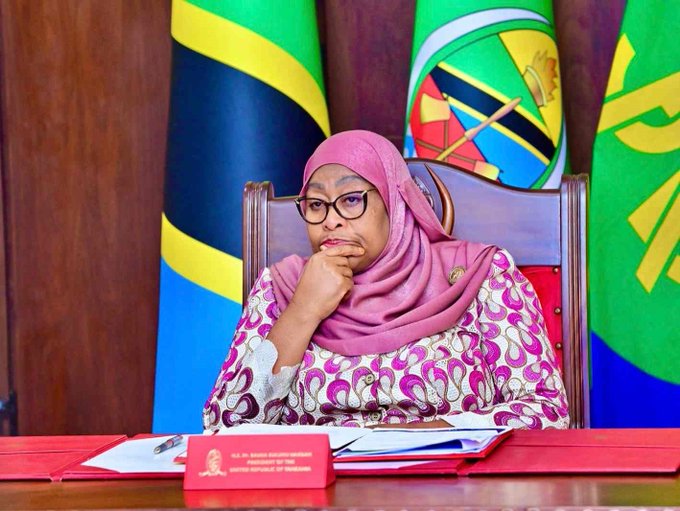
The EU Parliament had in November 2025 suspended aid to Tanzania over violence and the suppression of opposition figures before, during and after the October 29 General Election.
Tanzania has once again blocked a planned visit by members of the European Parliament, deepening tensions with the European Union as pressure mounts over alleged human rights abuses, political crackdowns and concerns about democracy following the country’s 2025 General Election.
The European Parliamentary delegation, which was expected to travel to Tanzania this month, had planned to assess the state of human rights, democracy and the rule of law, as well as review projects funded by the European Union.
Chairman of the European Parliament’s Subcommittee on Human Rights Mounir Satouri on Thursday condemned the decision by President Samia Suluhu Hassan’s administration, saying repeated requests to delay the mission were effectively a rejection of the visit.
“We strongly regret the Tanzanian authorities’ continued request to postpone the official visit by the European Parliament’s body responsible for global human rights – an approach that, in practice, amounts to a refusal,” Satouri said.
“Being denied access prevents us from following up on our recent resolutions on Tanzania, conducting proper parliamentary scrutiny of EU-funded human rights projects, and engaging directly with key partners in the country – including the African Union’s major human rights institution, the African Court on Human and Peoples’ Rights.”
The visit had initially been scheduled for February 2026 but was later moved to May after Tanzanian authorities reportedly asked for more time, saying a national commission investigating election violence needed to complete its work first.
However, even after the inquiry team released its findings on April 24, the Tanzanian government still declined to allow the European lawmakers into the country.
The European Parliament said the move had raised concerns about Tanzania’s willingness to cooperate on issues touching on rights and governance.
The EU Parliament had in November 2025 suspended aid to Tanzania over violence and the suppression of opposition figures before, during and after the October 29 General Election.
In a fresh statement, the European Union said cooperation with Tanzania must be based on respect for international law and agreed human rights standards.
“The European Parliament remains firmly committed to strengthening relations with African Union partners, including Tanzania. However, such partnerships – particularly those involving EU financial support – must be firmly grounded in international law and aligned with shared human rights commitments under the OACPS–EU Partnership Agreement,” the statement said.
Satouri also accused Tanzanian authorities of refusing to engage openly with European lawmakers despite growing concern over the country’s political climate.
“We regret the lack of willingness by the Tanzanian authorities to engage in good-faith dialogue, especially against the backdrop of a deteriorating human rights situation and crackdowns on the democratic opposition,” he said.



Comments
Sign in with Google to comment, reply, and like comments.
Continue with Google