
Foreign loans meant to support government projects have left taxpayers with a Sh20.1 billion bill after funds remained unused and continued attracting charges for more than a decade.
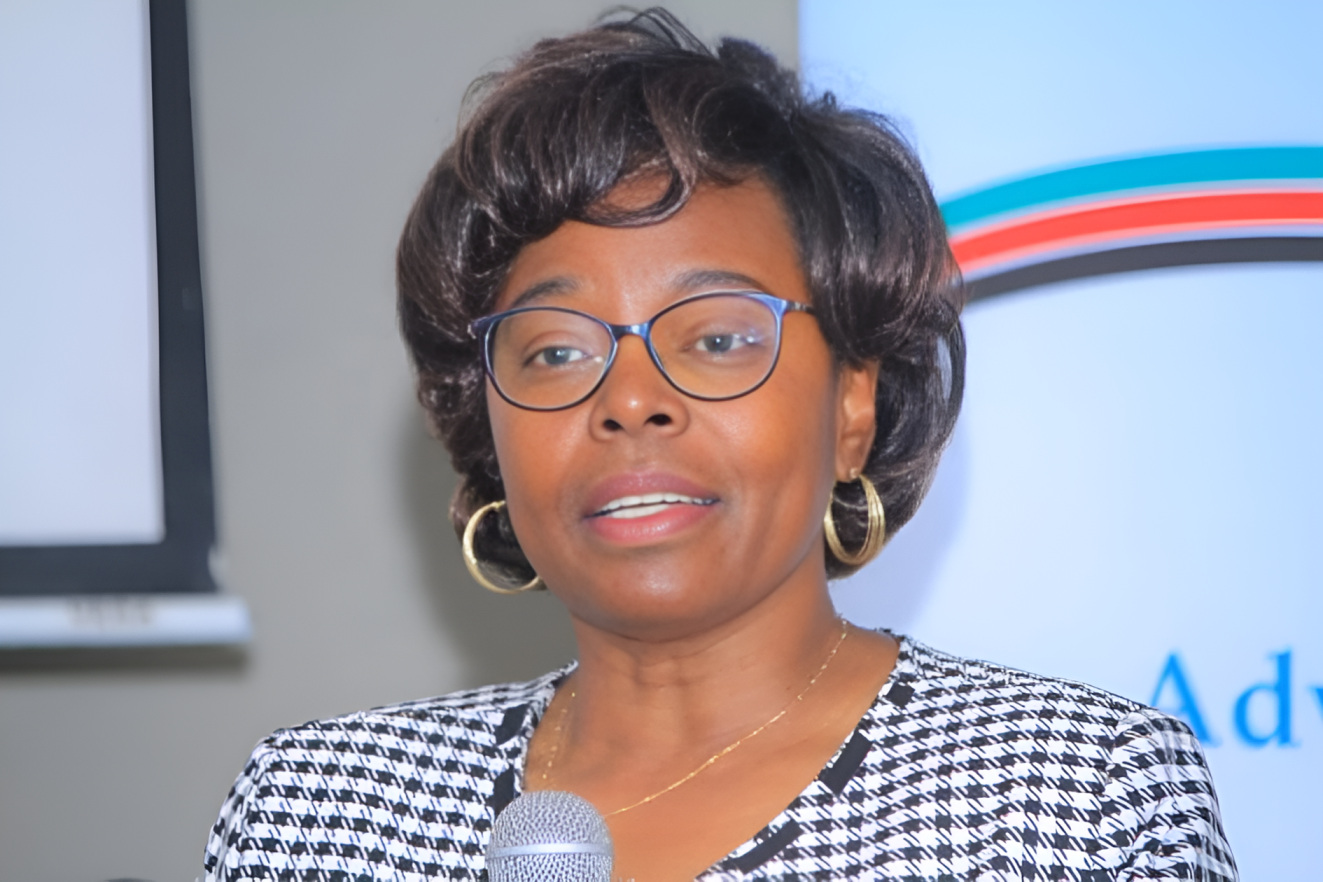
Controller of Budget Margaret Nyakang’o told the National Assembly Committee on Public Debt and Privatisation that the government paid the money in commitment fees between the 2015/16 and 2025/26 financial years.
The payments averaged Sh1.82 billion every year, despite the funds not being available for use in the projects they were meant to support. The Controller of Budget described the cost as an unnecessary drain on public finances at a time when the government continues to face cash-flow problems.
The scale of the spending means the average annual commitment fee could have paid capitation for about 9.95 million learners in public primary schools. Ministry of Education figures show that schools receive Sh2,020 per learner per term.
The committee heard that the problem has continued into the current financial year, with Sh764.8 billion of external loans procured by the government in 2025/26 having been released while Sh1.3 trillion was still waiting to be drawn.
The undisbursed amount continues to attract commitment fees, increasing the cost of borrowing without providing money for the projects that the loans were intended to finance.
Dr Nyakang’o said the fees incurred over the period were "not just an avoidable cost", but also pointed to problems in the planning and management of government borrowing.
"Recurring commitment fees consume scarce public resources that could otherwise be allocated to priority programmes and services"
She said the government could not explain why some of the contracted loans had not been accessed, raising concerns over how projects are prepared before the country commits itself to foreign borrowing.
The Controller of Budget linked the delays to several issues, including pressure on government finances, poor loan and project planning, continued delays in accessing external financing and slow implementation of projects.
She also pointed to delays in preparing projects, procurement processes, meeting loan conditions and awarding contracts. Such delays can keep borrowed funds out of reach for long periods while charges continue to be paid.
Records presented to the committee show that commitment fee payments have remained high in most years.
In 2015/16, the government paid Sh2.3 billion before the figure climbed to Sh3.23 billion in 2017/18, the highest annual payment recorded during the period.
The bill stood at Sh2.4 billion in 2018/19 and Sh1.72 billion in 2019/20. It then increased to Sh1.9 billion in 2020/21.
The government paid Sh1.5 billion in 2021/22 and Sh1.4 billion in 2022/23. The amount rose again to Sh1.6 billion in 2023/24 before falling to Sh1.1 billion in 2024/25.
A further Sh1.3 billion was paid in 2025/26.
Beyond the cost of unused funds, Dr Nyakang’o raised concerns about the working relationship between the National Treasury and government agencies tasked with carrying out projects funded through the loans.
She told the committee that some implementing agencies were not aware of loans that had already been secured for projects, pointing to gaps in communication and planning within government.
She also said officials sometimes sign loan agreements before technical teams have properly assessed whether projects are ready to proceed.
This can result in the government taking on financial obligations before the projects are sufficiently prepared to use the money.
As commitment fees continue to take money from the Exchequer, some projects are also facing delays because of shortages in government funding.
The payments are being made as the government tries to meet the cost of essential services such as education, healthcare and infrastructure, increasing pressure on the limited funds available for these areas.
The Public Finance Management Act requires the National Treasury to promote transparency, accountability and efficient use of public resources.
The parliamentary committee has now called for stronger controls before the government signs new loan agreements.
It has recommended performance-based benchmarks and disbursement-readiness protocols to make sure projects are ready to receive funds before loans are contracted.
The committee also wants unused loan portions to be cancelled quickly where they are no longer needed, in a move aimed at stopping further commitment fees from building up.
The recommendations seek to ensure the government does not continue paying for borrowed money that remains idle while priority programmes struggle to secure adequate funding.