

The Council of Governors (COG) has opposed Principal Secretary for Medical Services Ouma Oluga's directive to remove Paybill numbers from county hospitals, terming the move unconstitutional and an infringement on the autonomy of devolved governments.
In a statement issued on Monday and delivered by COG Chairperson Muthomi Njuki, the governors instructed managers of county health facilities to disregard the directive, arguing that county governments have a constitutional mandate to manage their hospitals and determine lawful mechanisms for recovering healthcare costs.
The dispute follows Oluga's directive issued on Sunday, November 22, ordering Social Health Authority (SHA) compliance officers to inspect public hospitals countrywide and remove payment Paybills to prevent facilities from demanding additional payments from patients.
Speaking during an engagement with SHA compliance officers and public hospital officials in Vihiga County, the PS argued that requiring patients to pay for services already covered by SHA undermined the government's Universal Health Coverage (UHC) agenda and pushed vulnerable households further into poverty.
He specifically cited women operating small businesses in local markets, saying some depended on working capital of less than Sh30,000 and could lose their livelihoods when confronted with substantial hospital bills.
"You can imagine when that woman comes to the hospital, you want to put for her a paybill to pay 50,000. You are closing the business," Oluga said.
He warned that public hospitals risked contributing to poverty instead of improving the welfare of the communities they serve.
"So the hospital then is now contributing to poverty in the society," he said.
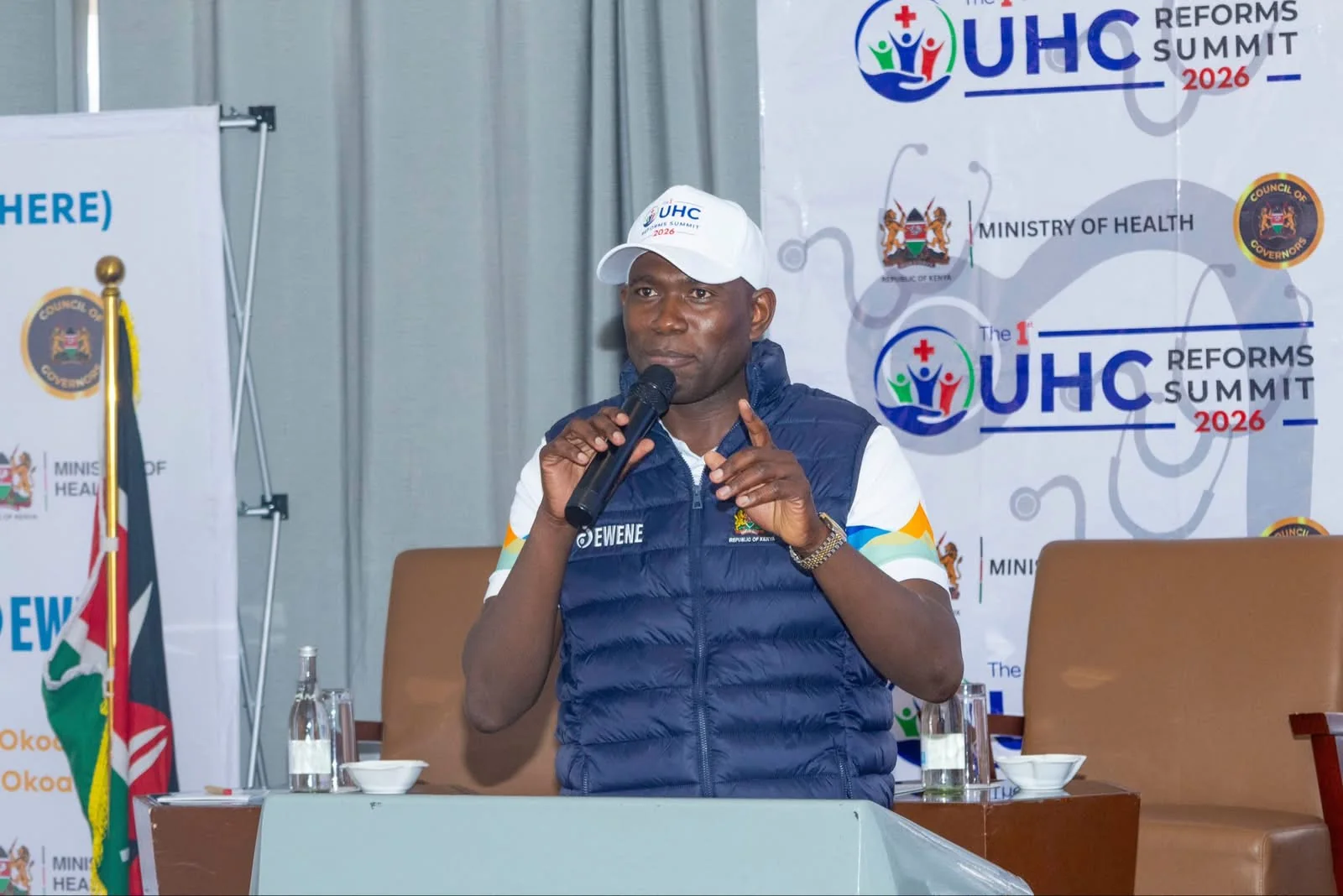
Oluga consequently authorised SHA compliance officers to inspect public hospitals and remove the payment channels, assuring them of security support from the national government. He also said county commissioners had been informed and would accompany the officers during the exercise.
"Compliance officers, go through any public hospital. Any public hospital. Remove those things called paybills. I will give you security," he directed.
However, the governors maintained that the directive failed to recognise the financial and operational realities facing county hospitals, particularly facilities providing services outside SHA's approved benefits package.
Njuki said the Council supported the principle of protecting patients against double payments but argued that SHA registration did not automatically guarantee access to every healthcare service.
"The Council of Governors supports the statement by the Cabinet Secretary for Health that patients should not be asked to pay again for services already covered and fully paid for by SHA. County health facilities have endeavoured to explain this to all clients that make out-of-pocket payments," he said.
The Council further argued that the Constitution and the Public Finance Management Act of 2012 expressly empower county governments to manage health facilities, oversee service delivery and impose applicable fees and charges.
It maintained that the Ministry of Health could not unilaterally issue directives governing county government entities without following established intergovernmental consultation structures.
"The Constitution of Kenya and the Public Finance Management Act of 2012 expressly mandates county governments to manage county health facilities and oversee the delivery of health services, including imposing of fees and other levies and charges. The PS, Ministry of Health, has no supervisory or authority over county government entities," Njuki said.
On SHA coverage, the governors argued that the scheme operates within defined benefit packages, tariffs, eligibility requirements and limitations. They noted that specialised medical interventions and treatment for patients who have exhausted their available benefits may fall outside the approved coverage.
The Council questioned how county hospitals would finance such services if they were prohibited from collecting payments without corresponding reimbursements from SHA.
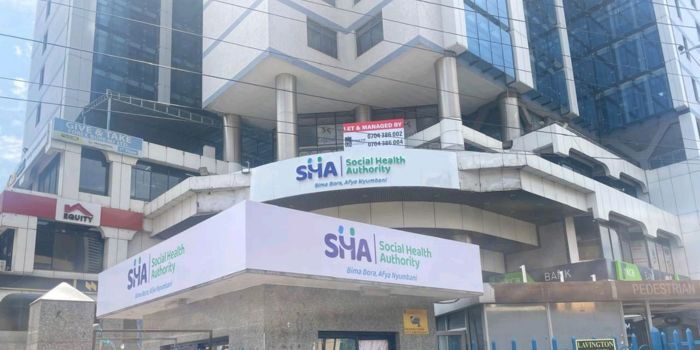
It also raised concerns over delayed reimbursements, rejected claims and outstanding financial commitments by the Ministry of Health, warning that the challenges threatened the sustainability of public health facilities.
The governors further cautioned that conditions introduced under the new electronic contracting arrangements could push more public hospitals out of the SHA system, potentially leaving them with limited options for financing healthcare services.
They singled out specialised services, including cancer treatment, warning that restricting access to alternative funding mechanisms without addressing existing financial gaps could undermine the government's universal healthcare ambitions.
Consequently, the Council directed county health facility managers to retain lawful cost-recovery mechanisms for services not covered or adequately reimbursed by SHA.
Njuki urged the Ministry of Health and Oluga to stop making sweeping declarations suggesting that SHA covers every Kenyan and every healthcare need.
He called for disputes affecting county hospitals to be addressed through established consultation and intergovernmental structures, maintaining that universal health coverage must protect patients while ensuring public hospitals remain financially sustainable.
The Council reiterated that respect for devolution was a constitutional obligation and not an administrative courtesy.