Treasury boosts child immunisation funding to Sh4.6 billion after counties faced vaccine stockouts
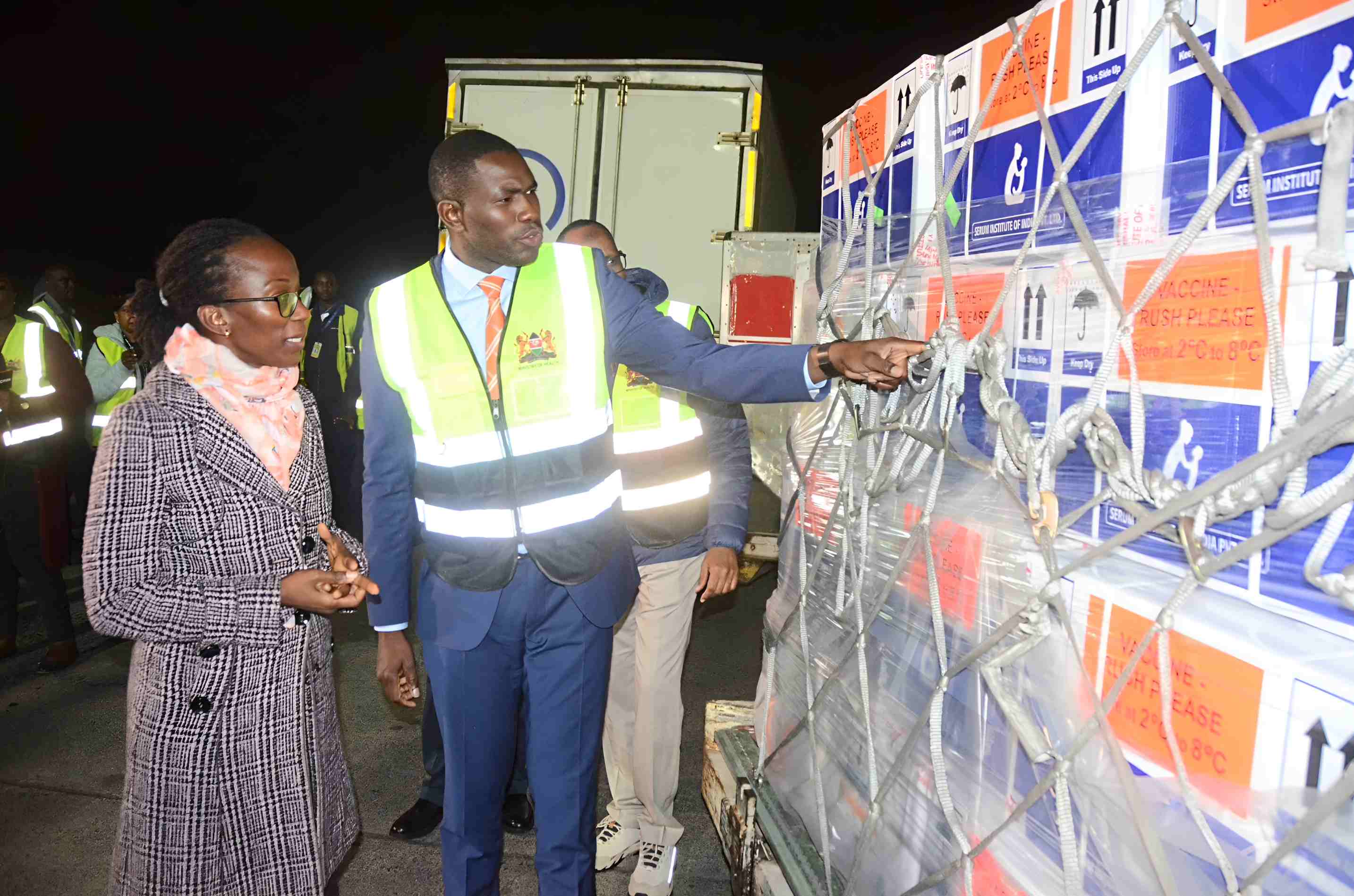
Kenya’s immunisation programme, run through the Kenya Expanded Programme on Immunisation, covers diseases including tuberculosis, polio, diphtheria, tetanus, whooping cough, hepatitis B, pneumonia, rotavirus diarrhoea, measles, rubella, and cervical cancer.
A child walking into a rural clinic and finding no vaccine available has become a familiar fear in parts of the country where stockouts have disrupted routine immunisation.
It is this gap in access that the government now says it is trying to close, after the National Treasury increased funding for vaccines to Sh4.6 billion for the financial year starting July 2026.
Budget documents presented in Parliament show the new allocation is up from Sh2.0 billion in the current financial year ending June, reflecting a 130 per cent rise aimed at stabilising supply and preventing a repeat of shortages that have affected health services in recent years.
The decision follows several episodes where vaccine shortages left health facilities struggling to meet demand, exposing children to diseases such as measles, polio, and whooping cough, especially when coverage drops below protective levels.
In June last year, stocks of BCG and polio vaccines fell to just two weeks of supply, while 12 counties reported complete stockouts that disrupted immunisation services.
More recently, a nationwide shortage of the rotavirus vaccine emerged after production delays at Bharat Biotech, leaving the country with only 4,000 doses, which was less than a month’s supply.
National immunisation coverage currently stands at about 80 per cent, below the government target of 90 per cent, meaning about 300,000 infants miss full vaccination each year. The impact is worse in marginalised areas where facility-level shortages and disrupted outreach services are common.
The higher allocation also reflects Kenya’s shift away from donor support as Gavi, the Vaccine Alliance, prepares to fully phase out funding by 2030 after more than two decades of support.
External financing has already dropped by about 30.8 per cent, from Sh2.6 billion to Sh1.8 billion, while the country still owes Sh1.6 billion in co-financing arrears.
“Kenya knew as early as 2003 that Gavi funding for childhood vaccines would eventually come to an end. The plan was to gradually increase domestic financing so that, by the time Gavi exited, we would be adequately prepared. However, this did not happen, and we remained dependent,” National Assembly Health Committee Chair, James Nyikal, said.
Under the arrangement, the government is expected to cover about 15 per cent of the cost of new vaccines and injection supplies.
“We have two systems for procuring vaccines in Kenya: full government financing for some vaccines and a co-financing arrangement with Gavi. We faced a temporary challenge due to delays in exchequer releases, but the National Treasury has committed to settling the Sh930 million as part of its outstanding obligation,” Health Cabinet Secretary Aden Duale noted.
Kenya’s immunisation programme, run through the Kenya Expanded Programme on Immunisation, covers diseases including tuberculosis, polio, diphtheria, tetanus, whooping cough, hepatitis B, pneumonia, rotavirus diarrhoea, measles, rubella, and cervical cancer.
Vaccines are delivered through public health facilities and outreach services.
Overall spending, combining government and donor contributions, will rise to Sh6.4 billion in the financial year starting July, up from Sh4.6 billion, a 39.1 per cent increase.
Spending is expected to remain steady in 2027/28 before dropping to Sh5.8 billion the following year, raising questions about long-term sustainability as Kenya transitions to full self-financing.
Kenya boosts child immunisation funding to Sh4.6 billion after counties faced vaccine stockouts



Comments
Sign in with Google to comment, reply, and like comments.
Continue with Google