
Kenya's ability to contain the recent Ebola threat without the disease spreading into communities has been credited to decades of investment in disease surveillance, laboratory testing and specialised health workers, with US health officials saying the country is now better equipped to handle infectious disease outbreaks.
US Centres for Disease Control and Prevention (CDC) Kenya Country Director Dr Runa Hatti Gokhale and Associate Director Dr Abraham Katana said years of cooperation between the CDC, the Ministry of Health and the Kenya Medical Research Institute (KEMRI) had helped build a health system capable of detecting and responding to emerging diseases before they become widespread.
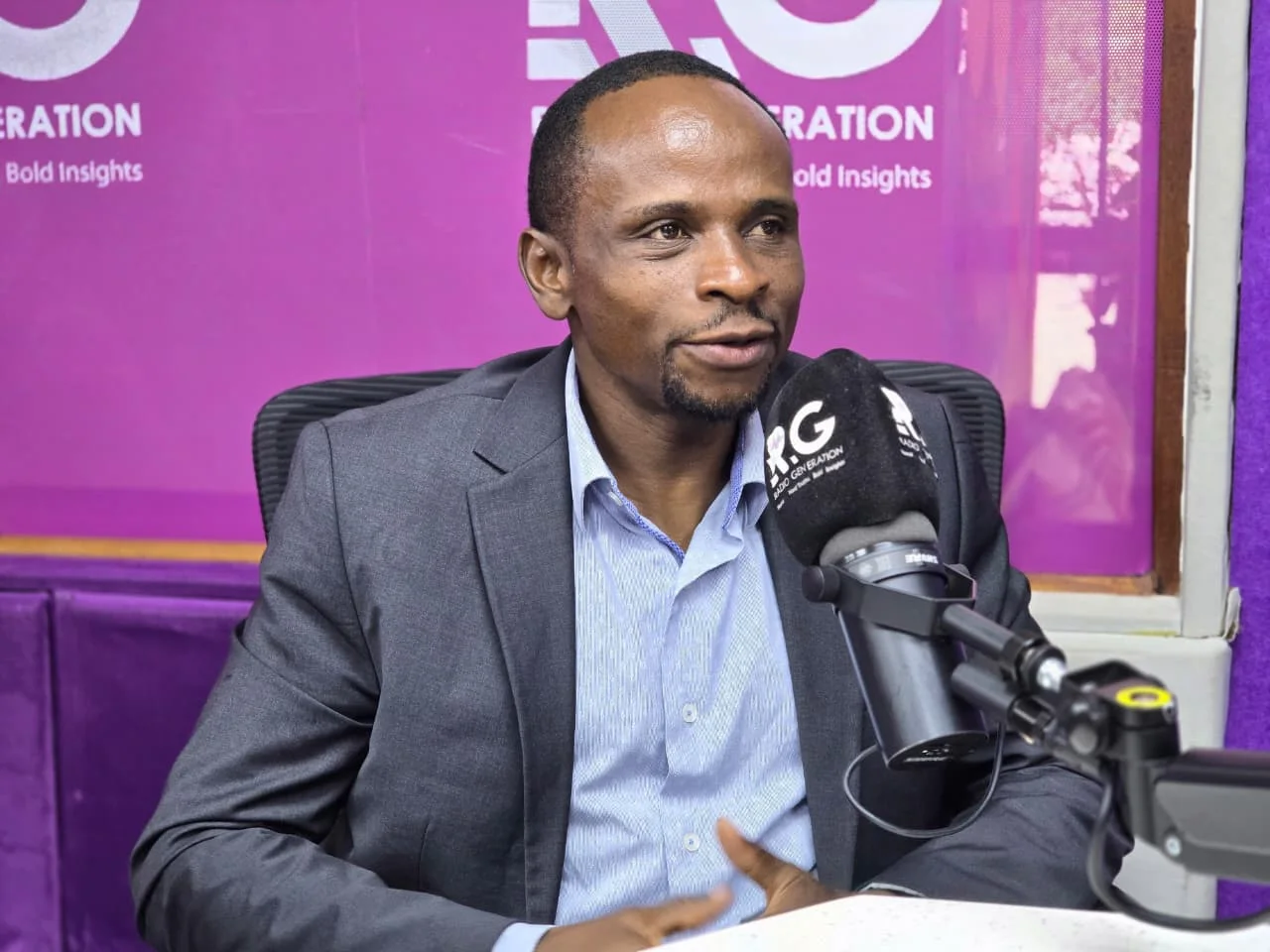
Speaking on Radio Generation on Wednesday, the officials said Kenya's handling of the recent Ebola threat demonstrated the importance of having well-equipped laboratories, trained personnel and established systems for identifying suspected infections, testing patients and tracing people who may have been exposed.
Katana said the country's preparedness was not achieved overnight but was the result of investments made over the past two to three decades, which laid the foundation for its current ability to manage disease outbreaks.
“Long before we had a case in Kenya, there were investments that were made over the past two, three decades that got us to where we were,” he said.
He pointed to the availability of trained health professionals and the country's ability to test for Ebola locally as some of the major gains that strengthened its response.
Katana added that contact tracing and continuous monitoring of people who had interacted with suspected or confirmed patients were equally important in preventing infections from spreading within communities.

Gokhale said Kenya's preparedness was also reflected in the ability of health structures at national, county and sub-county levels to identify and manage disease outbreaks.
She cited the National Public Health Laboratory's ability to sequence the Ebola virus within days of its introduction as evidence of the technical expertise developed through years of partnership with the CDC.
The officials also highlighted the Field Epidemiology and Laboratory Training Programme as one of the initiatives that has strengthened Kenya's capacity to respond to public health emergencies.
Supported by the CDC and hosted at KEMRI in partnership with universities, the two-year programme trains doctors, laboratory specialists and other health professionals to identify, investigate and respond to disease outbreaks.
Katana said graduates of the programme had taken up positions across government health departments, with some serving as county epidemiologists responsible for monitoring and responding to disease threats.
Other areas of cooperation include investments in laboratory infrastructure, HIV testing, disease sequencing and the establishment of the National Public Health Institute, which have contributed to strengthening the country's ability to manage public health risks.
The two officials, however, cautioned that surveillance must remain a priority if Kenya is to prevent future outbreaks from escalating.
They explained that monitoring disease patterns enables health authorities to identify unusual increases in infections, establish the scale of a health threat and determine where urgent interventions are needed.
Gokhale stressed that understanding the nature and extent of a health problem was necessary before authorities could develop effective solutions.
“To do something about a problem, you need to understand the problem. You need to understand the burden of the problem, and you need to understand what exactly are the pain points that can be addressed to change the outcome,” she said.
She called for stronger digital health systems and improved surveillance at community level, noting that information routinely collected by health facilities could help identify unusual disease trends before they develop into major outbreaks.
The CDC officials also raised concerns about gaps in public communication, saying the achievements of scientists and the impact of disease prevention programmes often receive little attention outside periods of health emergencies.
Gokhale said scientists, epidemiologists and other health specialists needed to work more closely with communication professionals to explain their work, improve public understanding and address misinformation.
She urged Kenyans to be careful about the information they consume during outbreaks and to verify claims before making decisions.
“Finding your trusted sources and finding information from multiple sources before coming to your own conclusions” was important during outbreaks, she said.
Katana also warned against relying on unverified traditional remedies, urging the public to seek scientifically tested medicines and treatments when dealing with diseases.
The remarks come after Kenya successfully managed an outbreak of Bundibugyo Ebola virus disease that resulted in nine confirmed infections and two deaths.
All seven surviving patients have recovered, with the last patient discharged from hospital on November 11. No new infections have been reported since October 19.
Kenya started a 42-day countdown on November 12 towards being declared Ebola-free, with the official declaration expected on December 23, provided no further infections are detected.
However, the Ebola threat remains active in the neighbouring Democratic Republic of Congo, where the World Health Organization had reported 11,613 confirmed cases and 5,678 deaths as of November 17.
The World Health Organization says the outbreak in neighbouring Democratic Republic of Congo remains active, with 11,613 confirmed cases and 5,678 deaths reported as of November 17.