
Kenya’s ability to contain Ebola has come under scrutiny from public health officers, who have raised concerns over weaknesses in border screening, protection of frontline workers and the wider system being used to respond to the outbreak.
The officers have presented four demands to the Ministry of Health, including their full inclusion in the national Ebola response, wider training on Ebola preparedness and a stronger public health system capable of dealing with epidemics and pandemics.
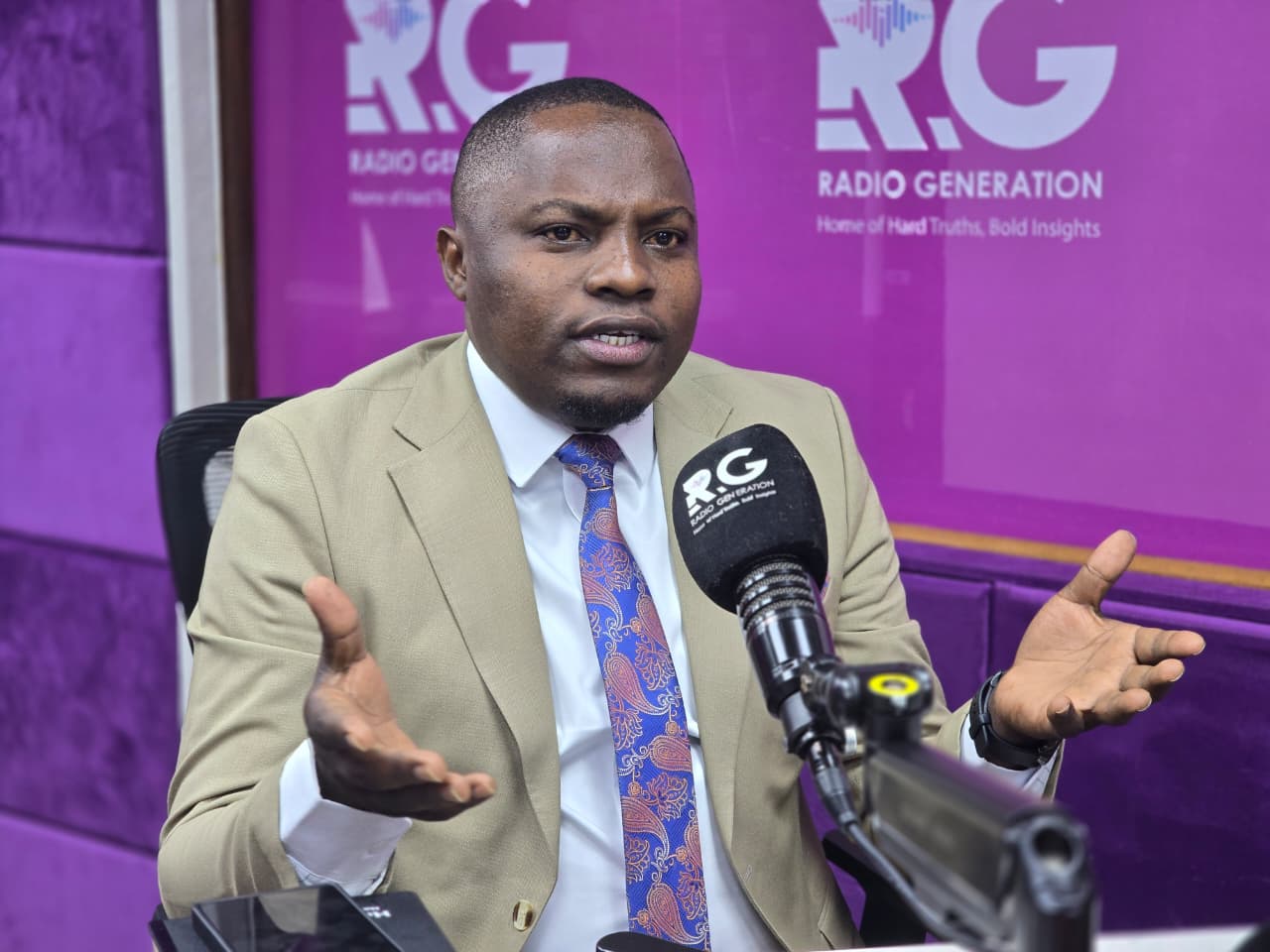
Speaking during a briefing on Wednesday, the officers said the fight against Ebola should not be left to doctors and other senior health officials alone, arguing that public health officers and other health workers have a key role in preventing and controlling infectious diseases.
They called for a whole-system approach to epidemics and pandemics, with public health officers across the country fully engaged in the response.
The officers also urged the Ministry of Health to involve public health workers as it seeks to resolve ongoing strikes, saying their participation is necessary for an effective national Ebola response.
They further demanded more specialised training for health workers, noting that the existing Ebola preparedness programme has so far reached about 4,791 healthcare workers.
According to the officers, much of the training has targeted senior officials and executives, yet these are not always the workers who would be the first to respond when a public health emergency occurs.
They want public health officers and laboratory personnel across the country to receive specialised training covering Ebola preparedness, surveillance, detection and response.
The training, they said, would give frontline workers the skills needed to quickly identify and respond to suspected cases when they arise.
The officers also raised concern over shortages of personal protective equipment, warning that some public health workers have been exposed to potentially fatal diseases while performing their duties.
Their concerns come as Kenya continues to trace and monitor people who may have come into contact with the country’s first reported Ebola case.
By Wednesday morning, health authorities had identified 57 contacts, with 10 people placed in quarantine facilities as efforts to monitor those potentially exposed continued.
The public health officers also questioned how the patient managed to travel from the Democratic Republic of Congo through Uganda and eventually into Kenya, saying the journey raised questions about the effectiveness of health checks at international borders.
They questioned whether the required screening and certification procedures had been properly carried out as the patient moved between the three countries.
The officers said public health officers should be part of such border screening because of their role in preventing infectious diseases from spreading across countries.
They also warned that weaknesses in Kenya’s public health system could leave the country facing difficulties similar to those experienced during the Covid-19 pandemic, when the country also recorded an imported case at the start of the outbreak.
The demands come as the Ministry of Health steps up measures to contain Ebola, with contact tracing and monitoring continuing as health authorities work to identify, isolate and manage people who may have been exposed.