Kenya Red Cross Society has activated its Ebola response teams following confirmation of the first imported case of Ebola Bundibugyo virus disease in Kenya.
The society said its safe and dignified burial teams, community engagement teams and community-based surveillance volunteers were supporting the national response under the leadership of the Ministry of Health.
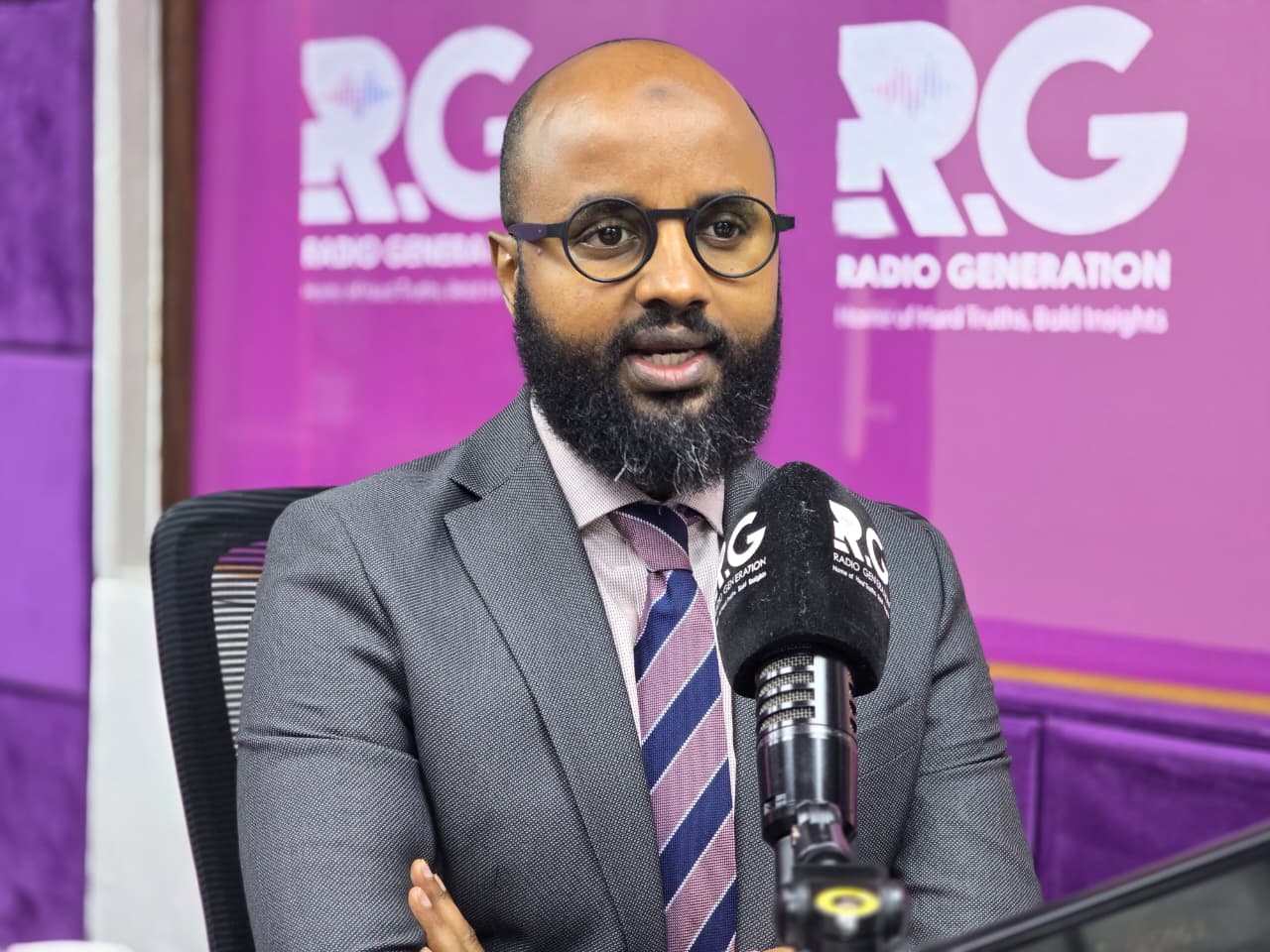
“Our teams are on the ground,” Kenya Red Cross Secretary General Ahmed Idris said in a statement issued on Tuesday.
The teams are sharing information with communities, reporting alerts through established channels and supporting authorities with surveillance.
At points of entry, Kenya Red Cross volunteers are also working with health officials on screening and infection prevention measures as the country steps up efforts to contain the virus.
The organisation said it had been monitoring the Ebola situation in the region and strengthening its preparedness alongside the Ministry of Health before the case was confirmed.
Kenya's first imported case was confirmed after a Kenyan man who had lived in the Democratic Republic of Congo (DRC) for seven years died in Nairobi.
Health Cabinet Secretary Aden Duale said the man fell ill about a month before travelling back to Kenya and had received treatment at several hospitals in the DRC.
He travelled by road from the DRC to Uganda before boarding a Jambojet flight carrying 23 passengers.
The flight landed at Jomo Kenyatta International Airport on Saturday, 3 October, at 1:10 pm.
Duale said the patient was screened at the airport before being collected by relatives and taken directly to Nairobi Hospital, where he was isolated.
He had symptoms including fever, chills, intense fatigue, weakness, muscle pain, a sore throat, and bleeding under the skin at an injection site.
Samples tested at the National Virology Reference Laboratory and the Kenya Medical Research Institute laboratory both confirmed Ebola.
The Ministry of Health has identified 28 contacts linked to the patient, including family members and healthcare workers, while tracing the 23 passengers and four crew members who were on the same flight.
Kenya Red Cross urged the public to remain vigilant but not panic, and to rely only on information from the Ministry of Health and other designated authorities.
“Anyone with symptoms such as sudden fever, weakness, vomiting, or unexplained bleeding, especially those with a recent history of travel to Ebola-affected areas or contact with a sick person, should seek care immediately at the nearest health facility,” Idris said.
Suspected cases can be reported through the Ministry of Health toll-free line 719 or the Kenya Red Cross line 1199.
The organisation also urged Kenyans to show compassion and avoid stigmatising affected families and communities.
The Bundibugyo Ebola outbreak in the DRC was declared on 15 May 2026.
CS Duale said Kenya had screened 652,584 travellers since May and tested 267 samples through five laboratories, with only one positive result recorded.
The Ministry has also trained 4,971 healthcare workers on Ebola prevention and management and notified the World Health Organization about the case.