
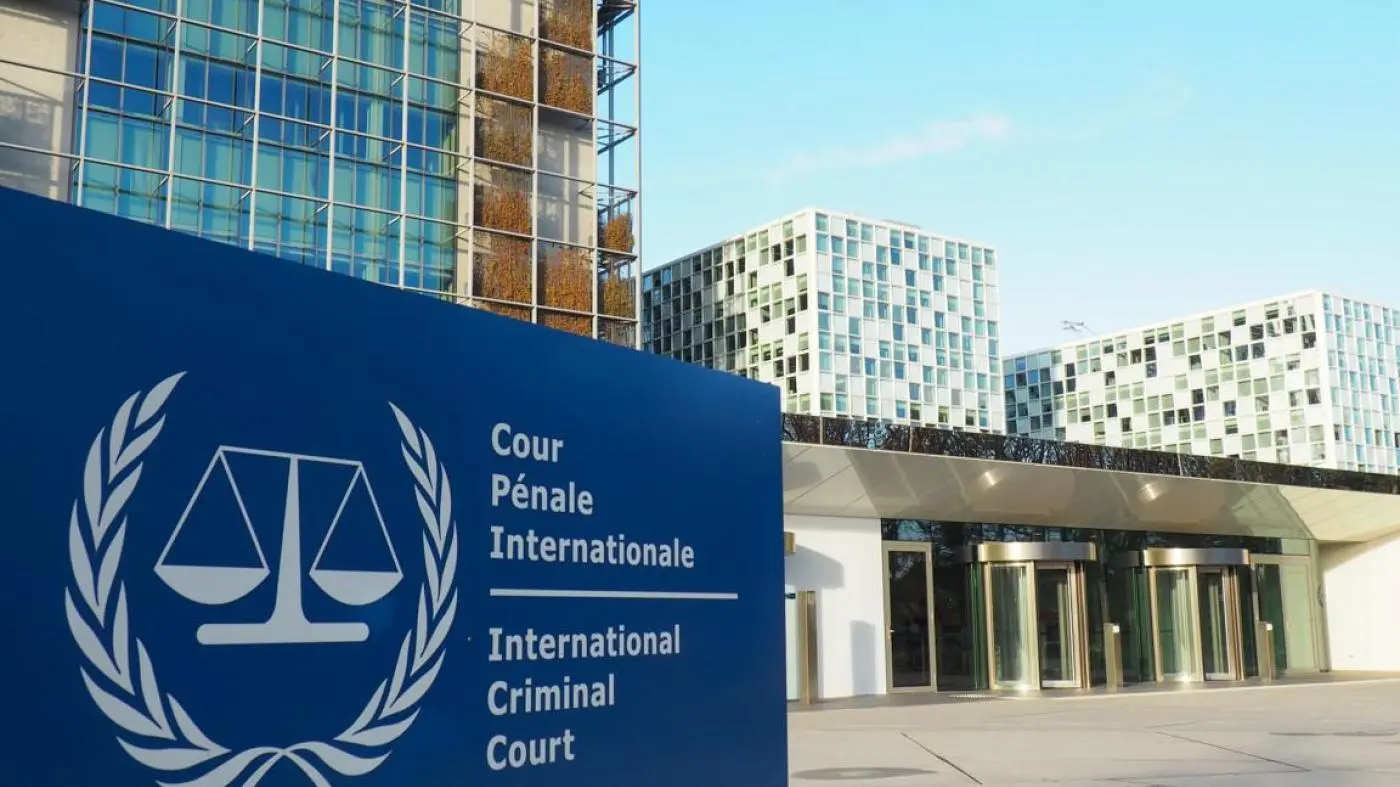
The International Criminal Court has vowed to press ahead with its work despite sanctions imposed by the United States, as tensions deepen over Washington’s opposition to the Court’s authority to prosecute American citizens and officials.
In a statement issued on Friday, October 9, 2026, the ICC condemned the measures, arguing that they threatened its independence and risked interfering with efforts to deliver justice for victims of the world’s most serious crimes.
The Court said the latest action followed previous sanctions targeting 13 independent judges and prosecutors. It warned that the measures appeared aimed at disrupting its operations and putting pressure on individuals working for the institution or cooperating with it.
ICC President Tomoko Akane said the restrictions would not prevent the Court from carrying out its legal responsibilities, maintaining that its work would remain guided by evidence and the law.
“The Court will continue to fully discharge its mandate, with independence and impartiality, acting only based on the law and the evidence, for the sake of the countless victims of grave crimes,” Akane said.
The ICC was established under the Rome Statute, which gives it the mandate to investigate and prosecute genocide, crimes against humanity, war crimes and the crime of aggression. The Court has 125 States Parties to the treaty.
In response to the sanctions, the ICC said it had been working with its member states to strengthen its operations and ensure it could continue functioning despite the restrictions.
It also appealed to countries to provide the financial and other support necessary to sustain its activities, stressing the need to protect its ability to pursue cases involving grave international crimes.
The American measures have drawn opposition from eight countries: Canada, Denmark, France, Germany, Italy, Japan, the Netherlands and the United Kingdom.
The countries reaffirmed their commitment to the Court’s independence, impartiality and integrity, warning that the sanctions could have far-reaching effects on its operations, personnel and their families.
In a joint statement, they criticised Washington’s decision and praised the ICC for preparing to deal with the possible consequences of the measures.
"As committed supporters of the ICC, we regret and strongly disagree with the announcement of sanctions to be imposed upon the Court by the United States," they stated. "We note with appreciation the work undertaken by the Court to prepare for such measures so that the Court can continue to fulfil its mandate under the Rome Statute and we underline our unwavering support in enabling the Court in doing so."
The eight countries further pledged to continue backing international accountability and maintain constructive engagement with states that have not joined the Rome Statute.
Their commitment comes ahead of the Assembly of States Parties meeting scheduled for December 2026, where support for the Court and cooperation among its members are expected to remain important issues.
The United States, which has not joined the Rome Statute, has long challenged the ICC’s jurisdiction over American nationals and government officials.
US Secretary of State Marco Rubio said on Friday, October 9, that the sanctions were intended to prevent the Court from prosecuting American citizens, arguing that its actions threatened US sovereignty.
The disagreement reflects a longstanding dispute between Washington and the ICC over whether the Court can exercise its authority in cases involving American citizens.
Despite the pressure, Akane maintained that the ICC would continue its work independently and impartially, with its decisions based on the law and evidence rather than external influence.