
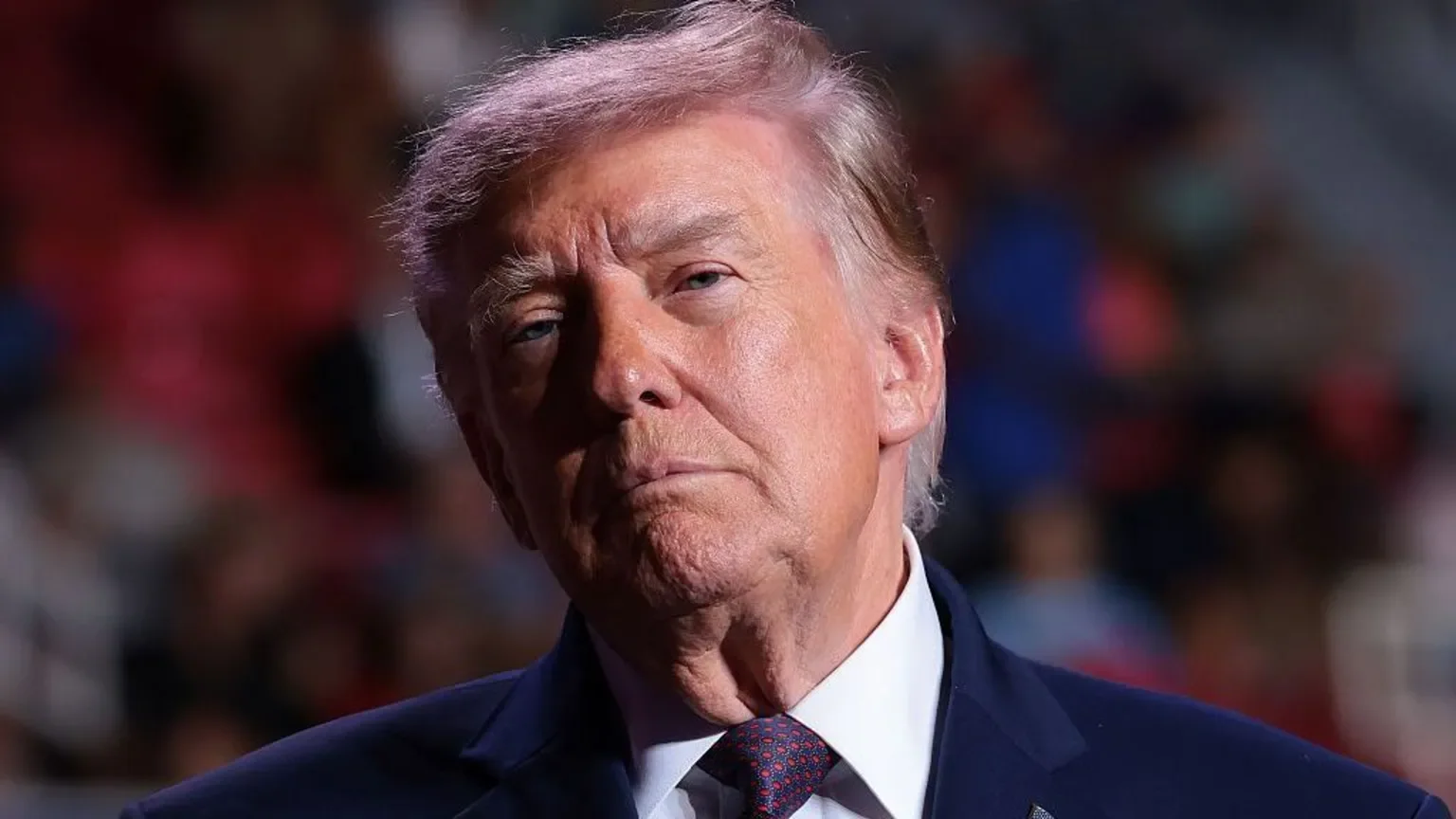
US President Donald Trump has struck an agreement with Russian President Vladimir Putin to bring millions of tonnes of diesel into the American and international markets, seeking to ease soaring fuel costs at home, but the move has triggered a sharp response from Ukrainian President Volodymyr Zelensky, who says lifting restrictions on Russian petroleum exports could give Moscow more resources to sustain its war.
Under the proposed arrangement, Russia is expected to release diesel in several shipments, beginning with 300,000 tonnes immediately, followed by additional supplies in the coming months.
The deal is understood to involve a temporary suspension of US sanctions on Russian diesel exports until April 7, 2027, while other Russian assets, including money held in American banks, will remain frozen.
Trump presented the agreement as a way to bring down fuel prices, saying the increased supply would deliver quick relief to consumers.
The US president said the release of the fuel would see prices "COMING DOWN, IN RECORD NUMBERS, AND FAST!".
He outlined a supply plan that would see Russia provide 300,000 tonnes of diesel immediately, another 500,000 tonnes in November and a further one million tonnes afterwards.
Trump added that an additional three million tonnes would be delivered "within a short period", although he noted that the timeline would depend on the condition of Russian refineries, which have been targeted in Ukrainian attacks.
Putin subsequently confirmed that Russia was ready to provide oil and petroleum products to the United States and other markets around the world. However, his statement did not specify the quantities involved or explain the full conditions governing the arrangement.
The White House has been asked to clarify what Washington has agreed to provide Moscow in exchange for the promised supplies.
Zelensky warns against easing pressure on Moscow
The agreement has drawn criticism from Zelensky, who argues that allowing Russia to expand its petroleum sales would work against efforts to end the war.
The Ukrainian president warned that concessions to Moscow would not bring peace and could instead encourage further attacks against his country.
"gifts to Putin will not work for peace" and that Russia would repay the diesel with "further terror".
He also criticised the decision to allow Russian petroleum products into the market, arguing that the revenue could help Russia maintain its military campaign.
"Allowing Russia to sell petroleum products is an investment in a war that must be ended, not prolonged," he wrote on social media.
Zelensky also defended Ukraine's strikes on Russian oil refineries, saying they were a response to years of attacks on his country's energy facilities.
"Russia's years-long campaign of terror against Ukraine's energy sector".
He maintained that Ukraine's attacks on Russian energy infrastructure would stop if Moscow ended its strikes on Ukrainian facilities.
"Ukraine will not set Russian oil refineries on fire if Russia does not destroy our energy infrastructure," he said.
The dispute highlights the competing priorities facing the countries involved, with Washington seeking to ease energy costs while Kyiv insists that pressure on Russia must remain in place until the conflict ends.
Rising fuel costs put pressure on Trump
Trump's announcement comes as the American president seeks to contain the economic impact of the war with Iran, which began in February and has pushed energy prices higher.
The conflict has driven up the cost of petrol and diesel in the United States, leaving motorists and businesses facing increased expenses. Higher transport and fuel costs have also fed into wider inflation, adding to public frustration with the administration.
Figures from the American Automobile Association show that the average price of diesel in the United States stands at $6.28 per gallon, or £4.74. The price has fallen from the record $6.53 per gallon reached at the end of September.
Shortly after Trump announced the agreement, the US Treasury issued a temporary licence allowing Russian diesel to enter the market.
The administration hopes that increasing the amount of fuel available will help reduce pressure on prices, although the actual effect of the deal remains uncertain.
Trump has also blamed Ukrainian attacks on Russian refineries for contributing to the rise in fuel costs, expressing displeasure over the strikes.
Russia has faced two waves of severe fuel shortages this year after Ukrainian drone attacks damaged oil refineries across the country. In response, Moscow introduced a ban on diesel exports.
The International Energy Agency estimates that Russia's diesel production has dropped by nearly 30 per cent.
The damage to its refining facilities has affected domestic supplies and limited the amount of fuel available for export, making the proposed deliveries dependent in part on the ability of those facilities to continue operating.
Moscow welcomes proposed energy cooperation
Putin said he had spoken with Trump on Friday about the global energy situation and confirmed that Russia was willing to supply petroleum products to international markets.
"The Russian side confirmed its willingness to supply oil and petroleum products to the US market and global markets at large."
Kirill Dmitriev, an envoy for Putin, also welcomed the announcement, arguing that cooperation between the two countries on energy supplies would have wider benefits.
"Russia-US co-operation on diesel and energy will benefit the world," he wrote on social media.
However, the full details of the agreement have yet to be made public. Questions remain over the delivery arrangements, the conditions attached to the temporary easing of sanctions and whether Russia will receive any specific concessions from the United States.
The deal also marks a notable shift in Washington's approach to Russian energy exports, particularly because Trump recently signed legislation authorising new US sanctions and tariffs against countries importing Russian oil and gas.
The agreement could expose the president to criticism from European allies and American politicians who support Ukraine and oppose measures that could increase Russia's energy revenue.
Critics of easing restrictions on Russian petroleum sales argue that income from such exports could help Moscow finance its continued military operations.
Global oil market faces continued uncertainty
The effect of the agreement on fuel prices remains uncertain, with international oil prices still elevated despite efforts by governments to improve supplies.
Brent crude, the global benchmark, remains above $103 per barrel, compared with approximately $73 before the war with Iran began.
While the additional diesel could help improve supply, the extent of any price reduction will depend on how much fuel reaches the market, the condition of Russian refineries and developments affecting global energy production and transport.
Trump has pursued several other measures to ease fuel costs as the United States approaches its midterm congressional elections, which will determine whether Republicans retain control of Congress.
Earlier in the week, he said he was "thinking about" suspending the federal tax on gasoline, a proposal aimed at reducing the amount motorists pay at the pump.
He also announced that red-dyed diesel would be allowed on American highways without the federal tax applying. The fuel is generally used for off-road purposes and is subject to different tax treatment.
In another effort to address supply concerns, Trump successfully pressed G7 countries to release 100 million barrels of oil and diesel from their stockpiles.
He had also previously supported calls for a ban on diesel exports from the United States.
The latest agreement with Russia adds to the administration's attempts to bring down energy costs, but its success will depend on the delivery of the promised supplies and the response of the global market. It also leaves Washington facing a difficult political question over whether easing restrictions on Russian fuel exports to help American consumers could come at the expense of efforts to pressure Moscow over its war against Ukraine.