
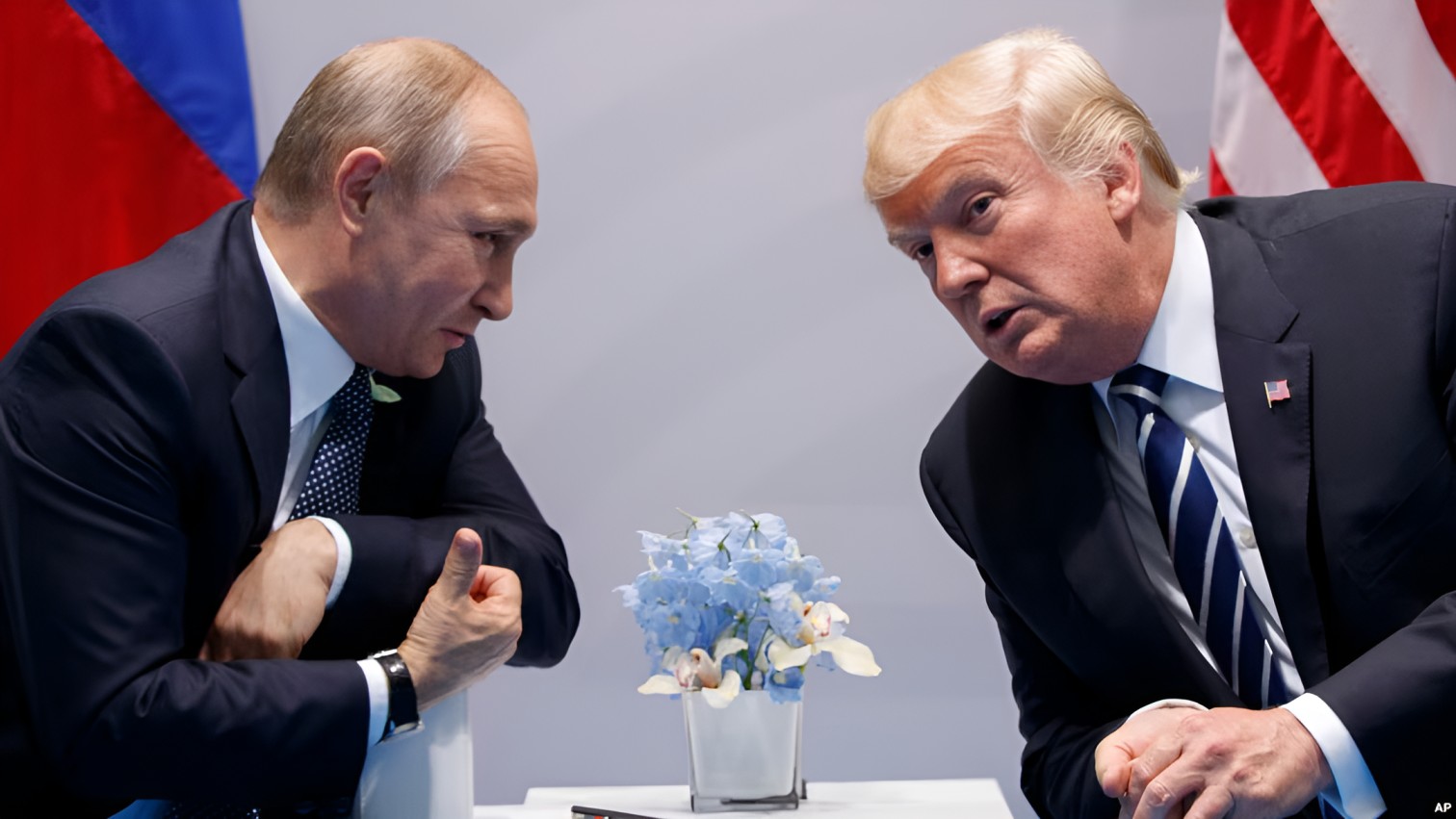
US President Donald Trump has limited the reach of a new law designed to punish Russia for its war against Ukraine, withholding several sanctions despite mounting pressure from lawmakers to ensure Moscow faces tougher economic penalties.
In an executive order issued on Friday night, Trump argued that suspending some of the measures was in the United States’ “national interests”. The decision came just days before the legislation, which he signed in September, was due to come into force on Sunday, October 18.
The move has added to concerns over the administration’s handling of relations with Russia, particularly following Trump’s announcement that the United States would buy Russian diesel in an effort to reduce domestic energy costs ahead of the November midterm elections.
The elections will determine which party controls Congress, making energy prices a key concern for the administration. However, the plan to import diesel from Russia has drawn criticism from both Republicans and Democrats, with opponents questioning whether the move could weaken efforts to hold Moscow accountable for the war in Ukraine.
The new sanctions legislation was named after the late Republican Senator Lindsey Graham of South Carolina, who was among Ukraine’s strongest supporters in Washington before his death on July 11.
Its main aim is to increase pressure on Russia’s economy by giving Trump wide-ranging powers to impose tariffs of up to 100 per cent on the five biggest buyers of Russian oil and gas. China and India are among the countries most likely to be affected by the proposed penalties.
The law also provides for sanctions targeting Russian President Vladimir Putin, senior officials in his government, banks and other financial institutions, as well as vessels linked to Russia’s so-called “shadow fleet”.
The fleet consists of tankers used to help Russia move oil while avoiding existing international restrictions. Measures against these vessels are intended to tighten controls on Moscow’s ability to continue earning revenue from energy exports.
Trump’s decision to withhold some of the sanctions has raised questions about the extent to which his administration will apply the new law, particularly as Washington continues to consider possible economic arrangements with Russia.
Pressure on the president had already been building before he issued the executive order.
On Thursday, a bipartisan group of 20 US lawmakers sent Trump a letter urging him to ensure the legislation was fully enforced when it took effect on October 18.
The lawmakers welcomed his decision to sign the bill but stressed that its provisions needed to be implemented without delay. They argued that strong enforcement would increase pressure on Putin to engage seriously in efforts to end the war.
In the letter, they said the measures would be “decisive in forcing Putin to take peace talks seriously”.
They further called on the administration “to apply the Graham law's sanctions to their fullest extent and without delay”.
The appeal came as Trump’s recent contacts with Putin and plans for energy purchases from Russia attracted criticism from US allies concerned about the consequences for Ukraine.
Last week, Trump announced that he had spoken to Putin by phone and had agreed to purchase diesel from Moscow. The proposal drew concern among Washington’s partners, who fear that continued Russian energy sales could provide the Kremlin with additional resources to support its war effort.
Ukrainian President Volodymyr Zelensky also condemned the reported arrangement, describing it as a gift to Putin that amounts to “an investment in a war that must be ended”.
The criticism reflects wider concerns about the balance between Washington’s efforts to reduce energy costs at home and its commitment to using economic pressure against Russia.
With the new legislation approaching its implementation date, Trump’s decision to withhold several sanctions has placed renewed focus on how his administration intends to deal with Moscow. The disagreement also highlights divisions over whether economic engagement with Russia can be pursued without undermining efforts to force an end to the war in Ukraine.