
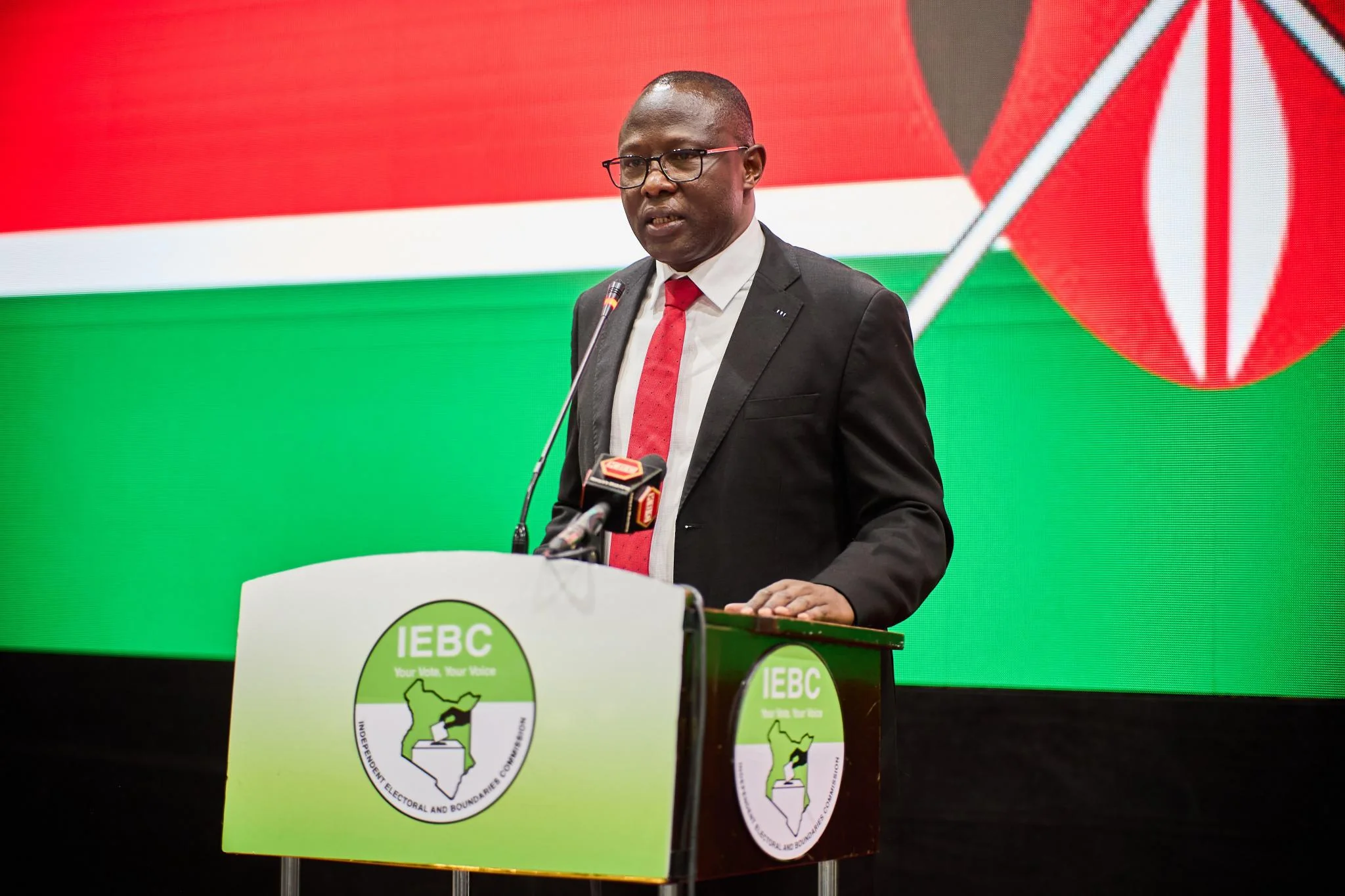
The IEBC has secured a reprieve in its race to prepare for the next elections after procurement officials dismissed two separate cases seeking to challenge the acquisition of election technology and ballot papers, removing immediate legal hurdles from the commission’s plans.
The Public Procurement Administrative Review Board rejected applications by Leading Edge Limited and Westend Limited in decisions issued on October 14, allowing the Independent Electoral and Boundaries Commission to continue with both procurement processes. Each company was ordered to pay the electoral agency Sh2 million in costs.
Leading Edge had contested the tender for the Integrated Elections Management System (KIEMS), which is part of the technology the commission needs to manage the electoral process. The company sought the board’s intervention over requirements it considered problematic, but the review panel found that it had not provided sufficient grounds to invalidate the tender conditions.
The dismissal means IEBC can continue processing the technology procurement without the specific challenge succeeding. However, the ruling does not establish that the contract has been awarded or reveal which company will eventually supply the system.
Westend Limited also failed to stop the commission’s procurement of ballot papers and related election materials after the board dismissed its application. The decision directed IEBC’s accounting officer to move ahead with the tender, citing the need to avoid unnecessary delays in preparations for the vote.
In explaining its decision on the ballot paper dispute, the board highlighted the public interest in ensuring that the procurement process reaches its conclusion within the required legal framework.
“The procurement ‘relates directly to the conduct of elections’ and was therefore of significant public importance. “While this consideration does not diminish a tenderer’s statutory right to seek administrative review, it underscores the importance of ensuring that the procurement process proceeds to its lawful conclusion without avoidable delay,” the board ruled.
The board further ordered Westend to pay IEBC Sh2 million in costs after rejecting the company’s request for intervention. Together, the two decisions leave the commission with Sh4 million in costs awarded in its favour.
The rulings followed the board’s conclusion that IEBC had successfully defended the procurement requirements challenged by the two firms. It declined to grant the remedies they had requested and directed the commission to continue with the tenders in accordance with the law.
Ballot Paper Procurement Has Faced Earlier Disputes
The latest decision on ballot papers comes after a series of objections from companies interested in the tender since its publication. The disputes prompted IEBC to revise procurement documents and issue clarifications as it sought to address concerns raised during the process.
On September 3, the review board dismissed an earlier application involving the ballot paper tender but directed the commission to reconcile conflicting provisions in its documents.
The repeated challenges have added pressure to an electoral agency working against a tight schedule to obtain the supplies and technology required for the upcoming polls. The latest decisions provide room for the commission to advance both procurement exercises after the two companies failed to convince the board to grant their requests.
The disputes arose from concerns over tender conditions that the applicants argued were restrictive, unclear or inconsistent with procurement law. The board, however, found no basis to grant the relief sought in either of the latest cases.
Despite the legal victories, IEBC still has to complete the procurement procedures before the election technology and ballot paper contracts can be confirmed. The decisions do not name successful bidders or indicate that either tender has been awarded.
The commission can now continue with the two processes, subject to the applicable procurement requirements, as it works to secure the materials needed to conduct the elections on schedule.