
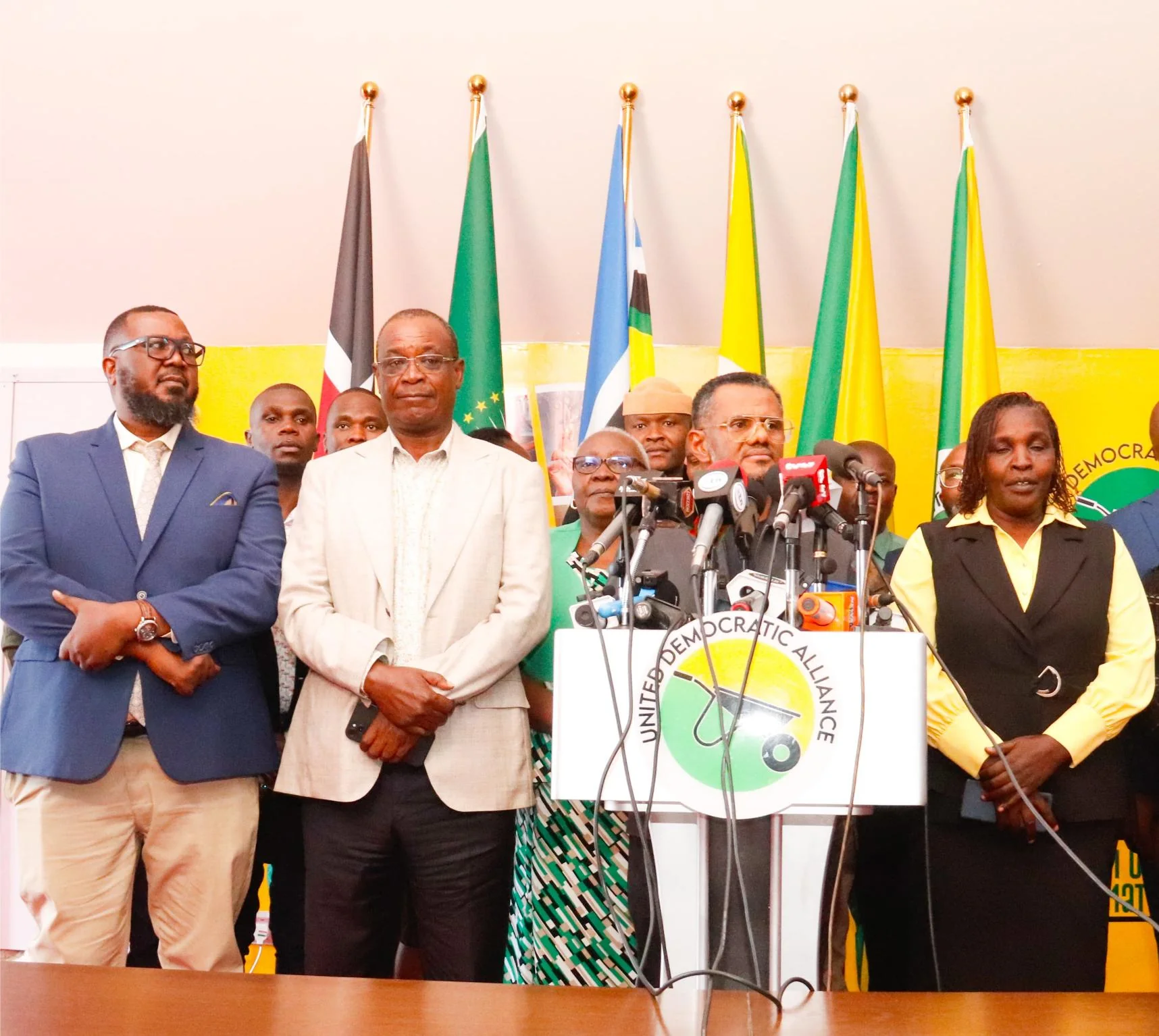
The Independent Electoral and Boundaries Commission (IEBC) has summoned United Democratic Alliance (UDA) Secretary General Hassan Omar over remarks he allegedly made about voting by deceased people during a public rally in Mombasa County.
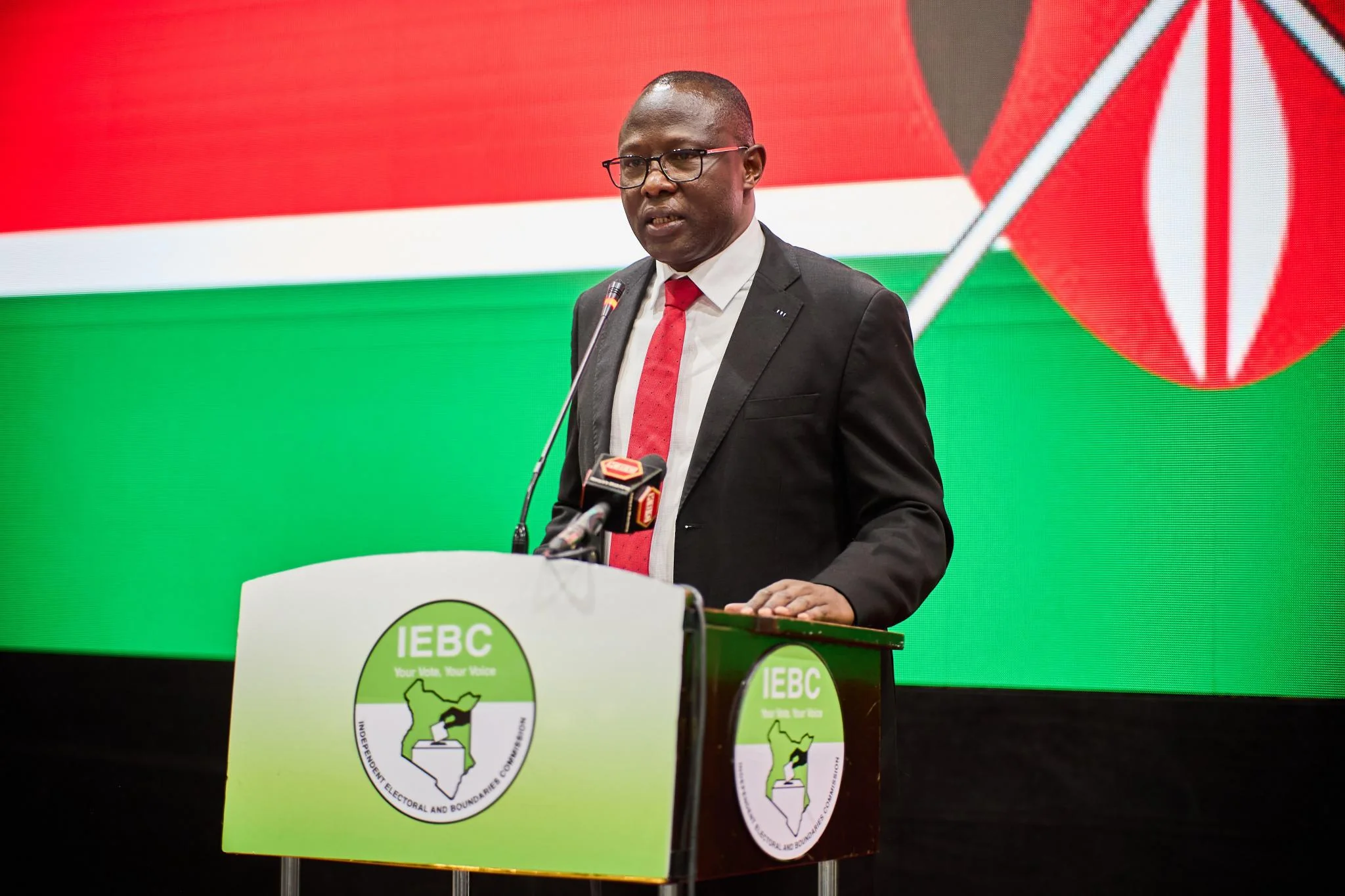
In a statement on October 14, 2026, the commission said it had directed Omar to appear before its Electoral Code of Conduct Enforcement Committee at Anniversary Towers on October 21.
“The summons arises from statements allegedly made by the former Senator at a public rally in Mombasa County on 11th September 2026 on voting by deceased voters,” IEBC said.
The commission said it had received the matter and was considering it under the Electoral Code of Conduct in the Second Schedule of the Elections Act, 2011.
It added that individuals appearing before the committee would have a fair opportunity to present their cases, and that it would issue further information after the proceedings.
Omar's remarks sparked controversy after he appeared to suggest that fingerprints belonging to recently deceased people could be used to cast ballots in their names during the 2027 presidential election.
Speaking at a political gathering in Jomvu, Mombasa, he urged supporters of President William Ruto to obtain the fingerprints of deceased people before burial and use them with the biometric voter registration system to cast votes.
The comments drew criticism from political leaders and renewed debate about the integrity of Kenya's electoral process, particularly the safeguards used to prevent electoral malpractice.
On September 14, Omar sought to clarify his remarks, saying they had been misunderstood and that he intended to encourage eligible Kenyans to register as voters and participate in the election.
He maintained that his message was about voter mobilisation and ensuring every vote counted, not advocating electoral malpractice.
With the next General Election approaching, the commission urged political leaders, candidates, supporters and other participants to exercise restraint and responsibility in their public utterances and conduct.
The commission said it would provide further information on the matter after the conclusion of the proceedings.
“With the 2027 General Election approaching, the Commission urges political leaders, candidates, supporters and all other participants to exercise restraint and responsibility in their public utterances and conduct,” the statement read.
It called on political actors to help build an electoral environment founded on peace, tolerance, respect for the rule of law and democratic participation.
Omar's appearance on October 21 is expected to give him an opportunity to respond to the allegations, and the summons itself does not amount to a finding that he breached the Electoral Code of Conduct.