Kenya is stepping up its Ebola response by expanding isolation and treatment capacity, tightening surveillance along the Uganda border and introducing stricter screening at Jomo Kenyatta International Airport (JKIA) following confirmation of the country’s first imported Bundibugyo virus disease case.
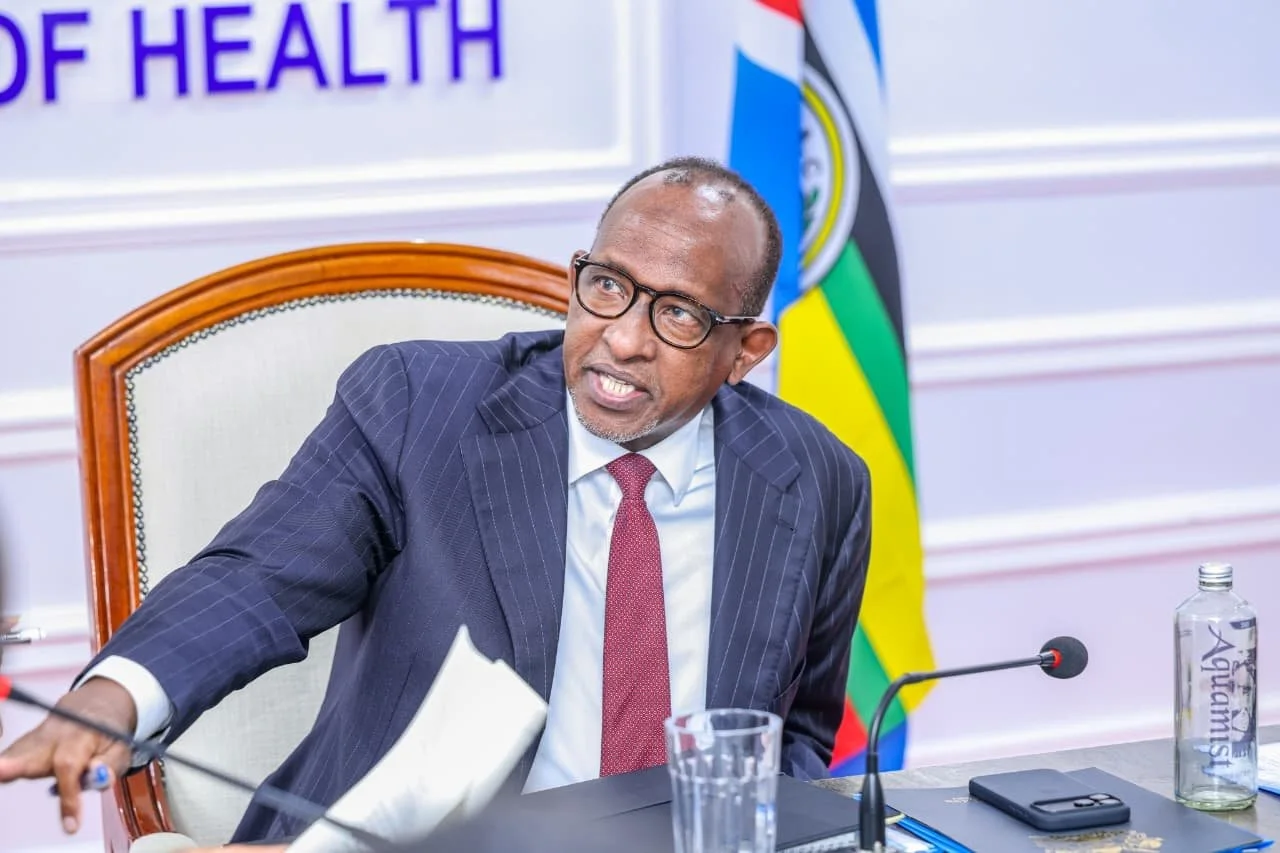
Health Cabinet Secretary Aden Duale said on Wednesday that the government was working with public, private and faith-based health facilities to increase their ability to handle suspected and confirmed cases if the situation worsens.
The country’s main infectious disease isolation and treatment centre currently has 133 beds, including nearly 45 high-dependency and intensive-care beds.
“In the event these capacities in all these hospitals will increase as we are sitting down and making sure that both public, private, and faith-based facilities increase their capacity in the event the situation evolves,” Duale said.
The government is also preparing temporary isolation centres along the Uganda border, where five facilities have been identified to handle suspected cases.
Among the facilities are Malaba Health Centre, Busia border facility and Kocholia Sub-County Hospital. Duale said the temporary centres are expected to be ready within 10 to 14 days.
Alupe District Hospital in Busia County is also being renovated to provide first-point-of-care services for people suspected of having Ebola after entering Kenya through the border.
First imported case
The measures follow confirmation of Kenya’s first imported Bundibugyo virus disease case involving a Kenyan citizen who had lived in the Democratic Republic of Congo (DRC) for seven years.
The patient had been ill for about a month before travelling from the DRC through Uganda to Kenya.
He arrived at JKIA on October 3 and was later taken to Nairobi Hospital, where he was isolated and tested positive for Bundibugyo virus. He died on October 5.
Health authorities have since identified 28 contacts, including members of his family and healthcare workers who attended to him.
Officials are also tracing 23 passengers and four crew members who were on the same Jambojet flight as the patient.
By October 6, the Ministry of Health had screened 652,584 travellers and tested 267 suspected samples in five laboratories. Only one test had returned positive.
Nearly 5,000 health workers have also received training in Ebola prevention and management as part of the country’s preparedness measures.
Public urged to remain alert
Duale urged Kenyans to maintain high levels of hygiene and report suspected infections or possible exposure without delay.
“We want to urge Kenyans to remain calm and vigilant. We want to ask them to practice strict hand hygiene, avoid contact with sick people showing symptoms, and please immediately report any suspected symptoms or possible exposure to health authorities at any of our recognized health facilities,” Duale maintained.
The Ministry of Health’s 719 toll-free line has also recorded increased demand since the first case was confirmed.
Duale said engineers from the Digital Health Agency, working with Safaricom, were upgrading the system to handle the increased number of calls.
He asked members of the public to use the service responsibly and said questions could also be sent through WhatsApp on 0700719719.
JKIA screening tightened
Screening has also been stepped up at JKIA, with Gate 16 set aside for passengers and aircraft arriving from 10 countries considered part of the current response.
The countries are the DRC, Uganda, Tanzania, Ethiopia, Angola, Zambia, Rwanda, Burundi, South Sudan and the Central African Republic.
Port health officials will screen passengers and examine health declaration forms as part of measures to detect possible infections at the point of entry.
Duale warned travellers that giving false information is an offence under the Kenya Public Health Act.
Regional outbreak
Kenya’s measures come as the DRC continues to deal with a major Bundibugyo virus disease outbreak.
According to WHO, by September 23 the DRC had recorded 7,890 confirmed cases and 3,799 deaths, giving a case-fatality ratio of 48.1 per cent. The outbreak had spread across 63 health zones in seven provinces.
WHO assessed the risk as very high within the DRC and high for countries sharing land borders with the country. The risk to the wider African region and globally was assessed as low.
The organisation says Bundibugyo virus disease can spread through direct contact with the blood or body fluids of an infected person, as well as through contaminated materials.
There are currently no approved vaccines or specific treatments for the disease, although candidate products are being assessed in clinical trials.
Why confirmation took time
Duale also addressed the time taken to confirm Kenya’s first case, explaining that samples first went through testing at the National Virology Reference Laboratory before additional laboratory confirmation was completed.
“By Sunday evening, we had the confirmation from all the labs that the patient, the tests of that patient were positive, and that's why,” he said.
Kenya’s preparedness has also received support from WHO.
The agency said Kenya’s preparedness score increased from 66 per cent in May to 82 per cent in July, while isolation units in 27 high-risk counties have been identified and assessed.
WHO has also supported Kenya with about 1,000 Ebola tests and 1,000 personal protective equipment kits.
The government is now focusing on surveillance, laboratory testing, contact tracing, border screening and increasing treatment and isolation space as it works to prevent further transmission of the virus.