
Kenya has placed 10 people in quarantine and traced 57 contacts as health authorities widen surveillance and contact tracing following the country’s first imported case and death from Bundibugyo Ebola virus disease.
The Ministry of Health said it had activated health officers across the country and was working with county governments and faith-based health facilities to strengthen the response and prepare for any increase in cases.
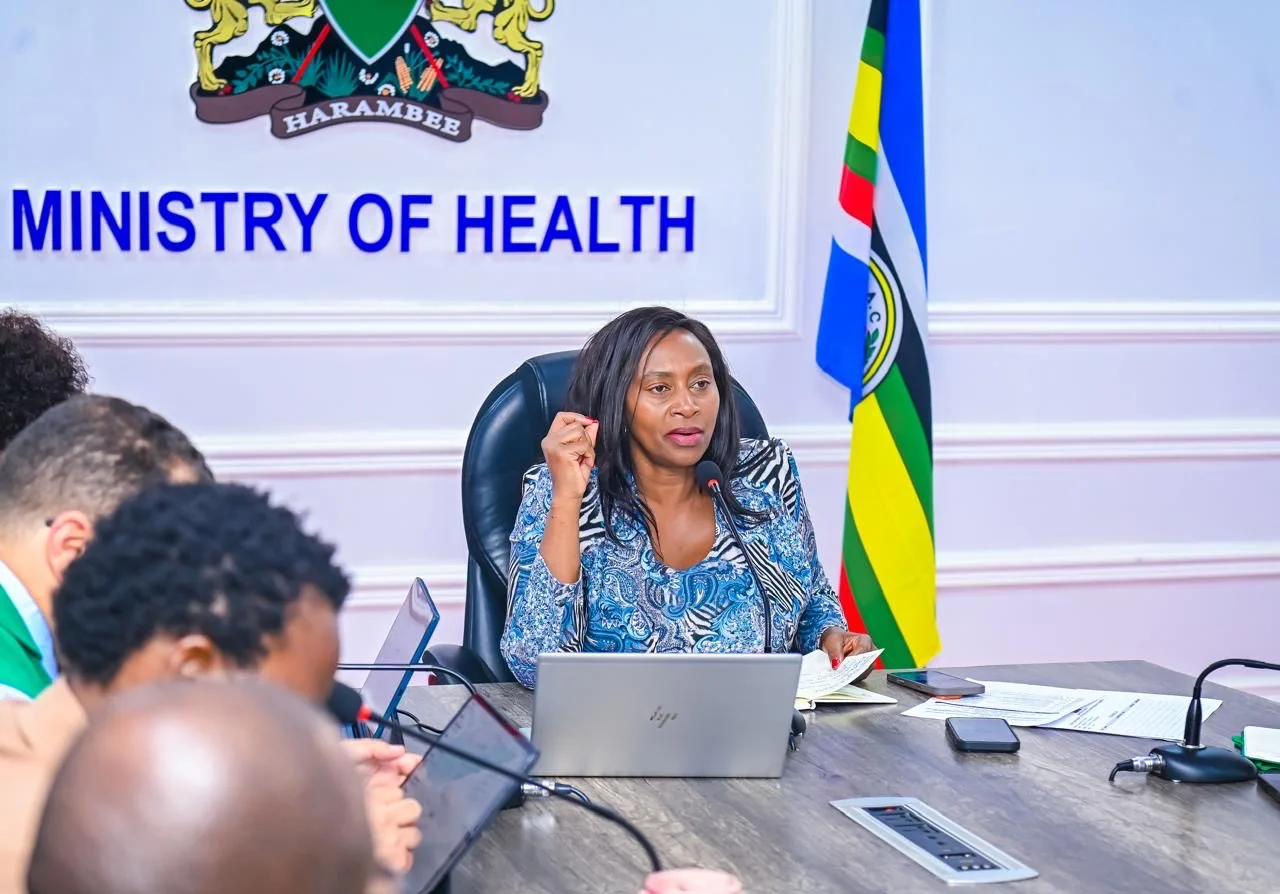
Public Health and Professional Standards Principal Secretary Mary Muthoni said the country remained on high alert as officials continued to trace people who may have been exposed to the patient or their relatives.
Muthoni, who chaired a stakeholder meeting at the Ministry of Health headquarters on Wednesday, said the government was closely monitoring the situation and had put measures in place to respond quickly to suspected cases.
“The ministry is working closely with the county governments and faith-based health facilities to strengthen preparedness and ensure that the country responds effectively should the number increase,” she said.
The PS also moved to reassure Kenyans that the country was not dealing with a wider outbreak, saying authorities were managing a single imported case.
“We do not have an outbreak; we have an imported case which is under management,” she said.
Officials expect the number of people identified through contact tracing and placed under quarantine to increase as investigations continue and health teams establish who may have interacted with the patient and their relatives.
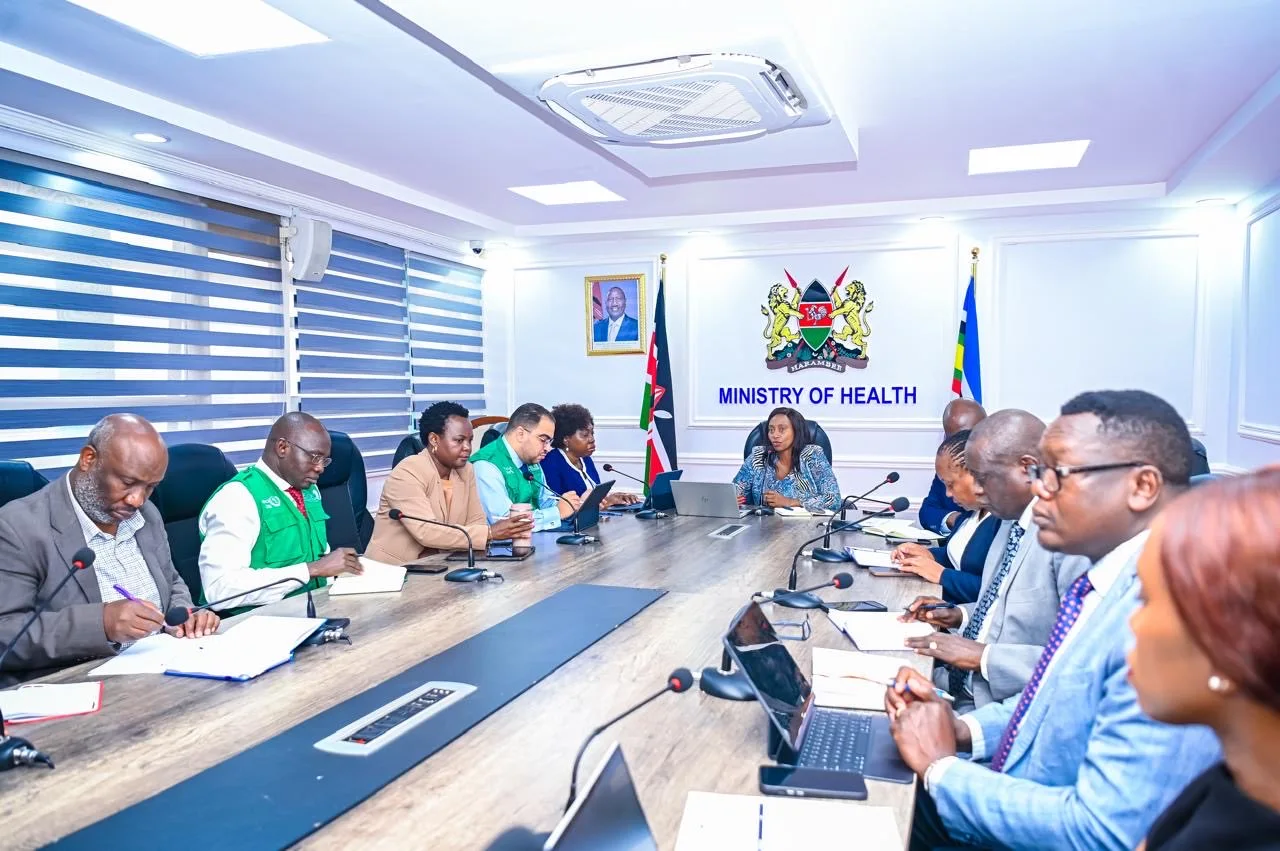
Health Director General Dr Patrick Amoth said the country had enough quarantine space to handle the current situation, with additional temporary facilities available if the need grows.
“Adequate quarantine capacity has been put in place, and makeshift facilities could be established in areas where the need arises as the response progresses,” he said.
The government has also stepped up screening and monitoring at 15 points of entry as part of measures to detect and contain any suspected cases.
Treatment centres are being activated in counties located along Kenya’s borders, while existing isolation and treatment facilities remain part of the national response plan.
Kenya currently has 23 isolation and treatment centres, including facilities at Kenyatta National Hospital, the National Police Service Hospital and Moi Teaching and Referral Hospital.
Another facility available to support the response is the US-funded quarantine centre at Laikipia Air Base in Nanyuki.
Health Cabinet Secretary Aden Duale announced on Tuesday that Kenya had recorded its first case of Bundibugyo Ebola virus disease, involving a Kenyan citizen who had travelled from the Democratic Republic of Congo.
The patient had lived in the DRC for seven years before travelling back to Kenya.
He entered the country on October 3 after travelling by road from the DRC to Kampala, Uganda, from where he boarded a Jambojet flight to Kenya.
The patient later died on Monday night while undergoing treatment at Nairobi Hospital.
His burial took place on Tuesday as health authorities continued with contact tracing and other response measures.
The government has said it is mobilising about Sh70 billion to support the Ebola response, with the National Treasury having released an initial Sh2.6 billion emergency allocation.
A large share of the additional funds is expected to be provided by international partners supporting the response.
The government has also set up a preliminary Sh2.6 billion Ebola response mitigation fund to finance preparedness and containment measures as health authorities continue monitoring the situation.