The Kenya National Examinations Council (KNEC) has warned candidates sitting the 2026 national assessments and examinations against cheating, cautioning that examination malpractice could lead to the cancellation of results.
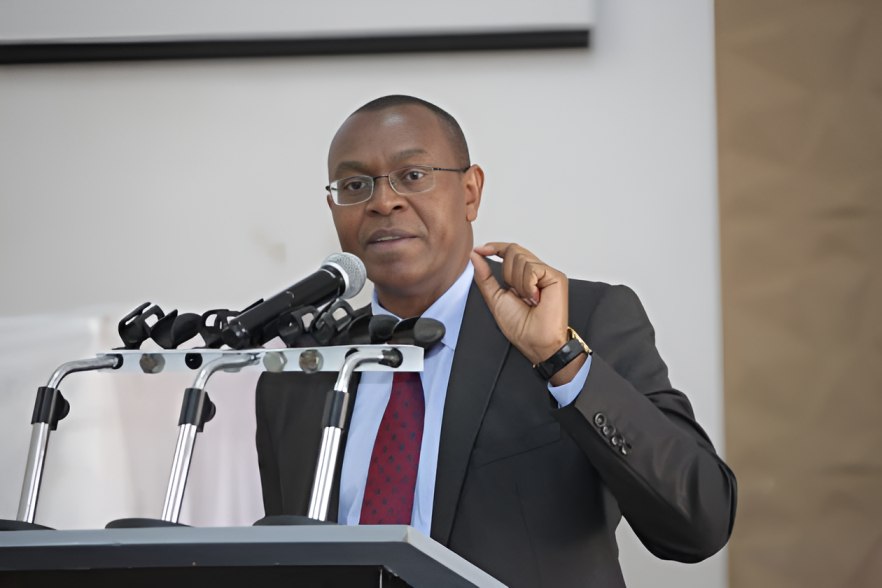
In a message to candidates, KNEC Chief Executive Officer David Njengere urged learners to trust their preparation and avoid anyone trying to mislead or pressure them into examination irregularities.
This year's examination cycle will cover 3,634,846 candidates sitting the Kenya Primary School Education Assessment (KPSEA), Kenya Intermediate Level Education Assessment (KILEA), Kenya Junior School Education Assessment (KJSEA), Kenya Pre-vocational Level Education Assessment (KPLEA) and the Kenya Certificate of Secondary Education (KCSE).
Njengere said the summative assessments for KPSEA, KILEA, KJSEA and KPLEA were scheduled to begin on Monday, October 26, 2026, and wished candidates well as they prepared for the examinations.
He reminded learners that assessments measure more than their ability to pass examinations, noting that the results also help determine educational pathways and future development.
“Assessments are not merely about passing or failing; they demonstrate your knowledge, skills and competencies while informing educational pathways and future growth,” Njengere stated.
The KNEC chief executive cautioned candidates against being persuaded to cheat, emphasising that examination integrity remains essential to the credibility of the assessment process.
He urged learners to focus on their preparation and trust their abilities rather than seek unfair advantages during the examinations.
The warning comes as examination authorities prepare to administer assessments to millions of learners across the country, requiring cooperation among candidates, teachers, parents and examination officials.
Njengere said malpractice could have serious consequences, including the cancellation of examination results.
He also issued a specific warning concerning mobile phones in examination and assessment centres, directing candidates and everyone involved in administering the tests to ensure the devices are not taken into examination rooms.
“No one should be found with a phone in an examination or assessment centre,” the message stated.
It added that all phones should be switched off and stored in a lockable locker outside the assessment or examination room.
The directive is intended to prevent unauthorised communication and reduce opportunities for examination irregularities during the national assessment period.
The 2026 Kenya Certificate of Secondary Education examination is particularly significant because it is the second-last KCSE examination under the 8-4-4 education system.
Kenya is progressively transitioning from the 8-4-4 curriculum to Competency-Based Education (CBE), which places greater emphasis on learners' skills, competencies, and the practical application of knowledge.
Njengere noted that this year's KCSE candidates belong to the final cohorts representing an important chapter in the country's education history.
“The 2026 KCSE is the second-last examination under the 8-4-4 system as the country progressively transitions from it,” he said.
The transition has seen the introduction of new assessment structures at primary and junior school levels, while secondary education continues to operate under the existing system as the country moves towards the new curriculum.
For candidates sitting KPSEA and KJSEA, Njengere explained that the final results would combine scores from school-based assessments with performance in the summative assessments.
KNEC urged candidates to approach the examinations with confidence and maintain discipline throughout the process.
With more than 3.6 million candidates involved in the 2026 examination cycle, the council has emphasised proper conduct, compliance with examination rules and the need to ensure that results accurately reflect learners' abilities.