
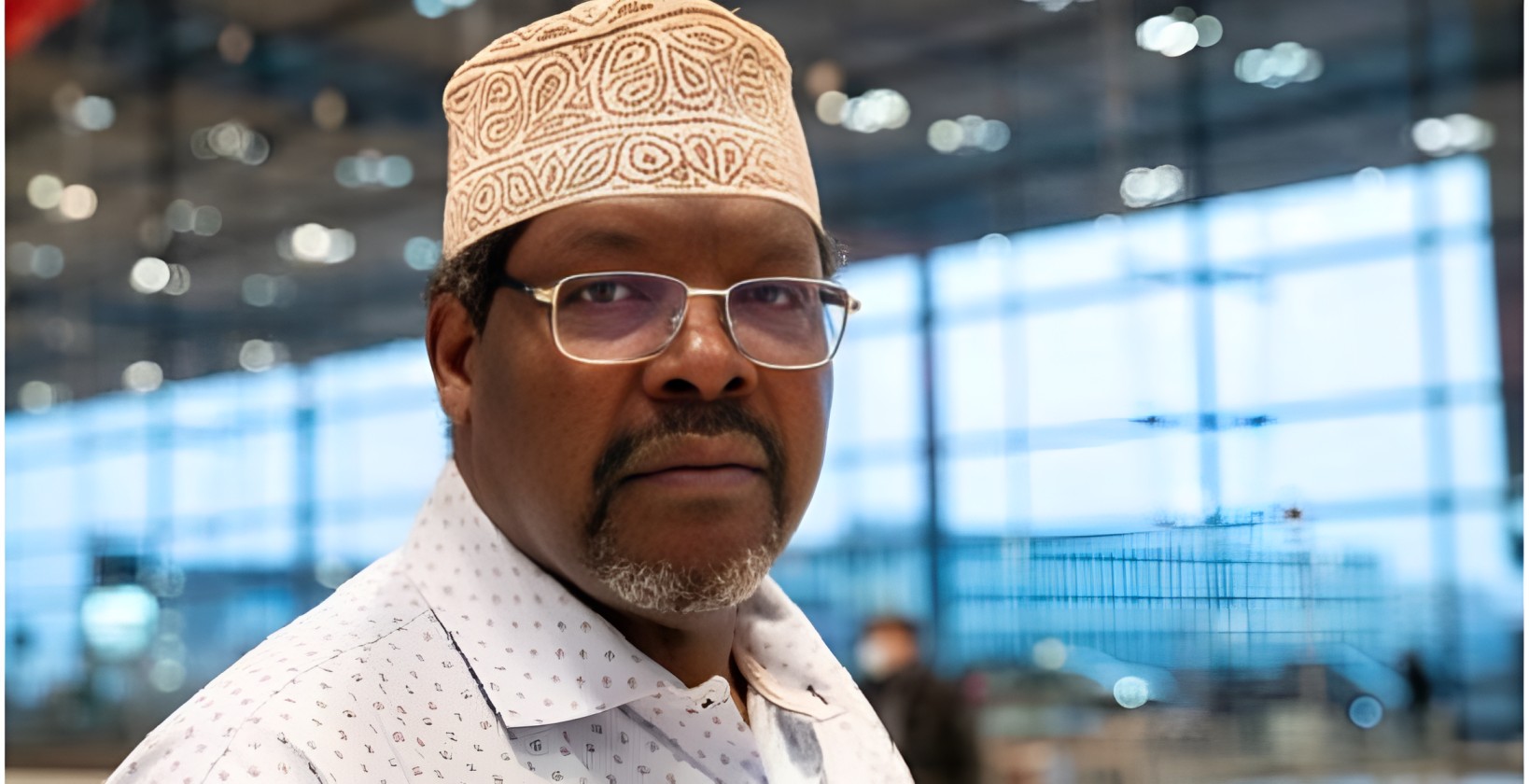
Lawyer and political commentator Miguna Miguna has challenged Nairobi Senator Edwin Sifuna’s argument that Kenya’s leadership could benefit from having a lawyer as president, saying professional qualifications alone cannot address the country’s governance problems.
Miguna said Kenya’s challenges are rooted in weak institutions, structural defects and the legacy of colonial systems rather than the academic or professional background of those occupying political office.
Taking to his X account on August 15, 2026, Miguna appeared to respond to Sifuna’s remarks on President William Ruto’s academic background and the role of lawyers in leadership.
“Kenya is not a failed state and a country where impunity reigns because it has never had a lawyer as president. There are millions of inept, corrupt and brutal lawyers who have occupied positions of power in Kenya, Africa and the rest of the world.”
Miguna argued that the presence of lawyers in powerful positions has not necessarily prevented corruption or institutional failures.
“The judiciary has been one of the most corrupt and incompetent institutions despite being controlled and entirely led by lawyers. Lawyers are behind most fraudulent transactions at the Lands Office, at the AG Chambers, in various ministries, state corporations, universities and the private sector.”
He said the country instead requires leaders with integrity who can operate within transformed institutions and systems.
“What Kenya and other African countries lack isn’t the absence of lawyers or people with particular degrees in leadership positions; what is lacking is leadership with integrity operating within a transformed state, institutions and systems.”
The remarks also touched on the ongoing political debate surrounding Ruto’s academic qualifications. The President studied Botany and Zoology at the University of Nairobi before later obtaining a master's degree and PhD in plant ecology.
Sifuna, a trained lawyer and Nairobi senator, has previously criticised the emphasis placed on academic credentials in political leadership. Parliament lists his Bachelor of Laws degree from the University of Nairobi and a postgraduate diploma from the Kenya School of Law.
In February 2025, Sifuna questioned Ruto’s decision to associate closely with Kapseret MP Oscar Sudi while highlighting the contrast between the President’s PhD and Sudi’s educational background. Sifuna argued that academic qualifications alone were not enough and criticised Ruto for surrounding himself with people he considered to have significantly lower educational credentials.
Miguna, however, rejected the idea that Ruto’s study of zoology explains his performance as president or that replacing him with a lawyer would automatically produce better leadership.
“Anyone stuck on ‘Ruto failed because he studied zoology, so I will succeed because I am a lawyer’ is actually far worse than Ruto. It’s not about what you studied. It’s not about your occupation. And it certainly is not about the ‘software.’”
He instead attributed Kenya’s deeper governance problems to what he described as defective colonial structures.
“It is, at the root, about the structurally, architecturally, and institutionally defective colonial state, colonial institutions, colonial laws and colonial systems, which were not designed to serve Africans. They were designed to extract, exploit and dehumanize Africans.”
Miguna said these structures undermine equity, constitutionalism, dignity and social justice, which he described as central to the kind of society Kenya should seek to build.
“The colonial state is inherently inimical to equity, constitutionalism, dignity and social justice, which ought to be our ultimate collective vision for our societies.”
He also warned that political slogans would not resolve the country’s institutional problems without fundamental transformation.
“Unless we focus on these things, the slogans about wantam, tutam, or any other, will continue to be nothing but clever manipulative propaganda to fortify, entrench and perpetuate the unjust, inequitable and repressive colonial state.”
Miguna concluded that integrity and commitment to fundamental change should take precedence over academic credentials.
“I would rather have standard 8 leaders with integrity who are committed revolutionaries rather than corrupt lawyers, engineers, economists, theologians, teachers, accountants, zoologists, anthropologists, politicians, political scientists, physicians or physicists with a PhD.”
He ended his message by saying: “Telling the truth is a revolutionary act.”