
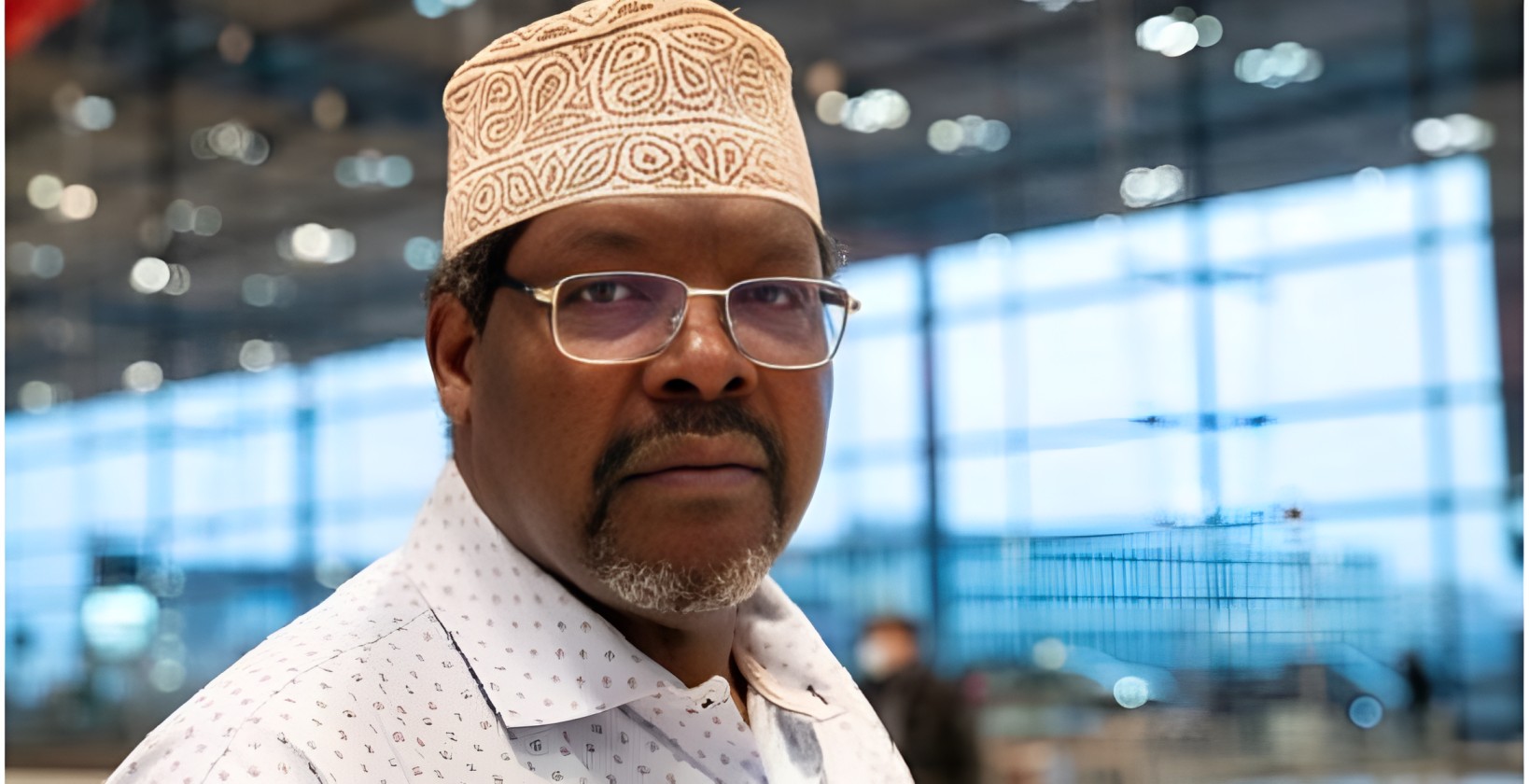
Kenyan lawyer and political activist Miguna Miguna has warned African voters against placing excessive faith in individual political leaders, arguing that governments once celebrated as liberators can eventually become accused of suppressing dissent and abusing state power.
Miguna made the remarks on X on Monday, August 31, 2026, while reflecting on the political histories of Uganda and Zambia and urging citizens to judge leaders by democratic values and institutions rather than their political identities.
He cited Ugandan President Yoweri Museveni, who seized power in 1986 after defeating the military government led by Tito Okello.
Museveni's National Resistance Movement presented itself as a revolutionary force that would restore stability and democratic governance following years of political turmoil, including the brutal regimes of Idi Amin and Milton Obote.
“Remember that even tyrant Yoweri Kaguta Museveni was once hailed as a hero who ‘liberated’ Ugandans from Idi Amin, Dr. Milton Obote and Basilio Okelo. Forty years later, most Ugandans wish Obote was alive and in power,” Miguna stated.
Museveni has now ruled Uganda for four decades.
He won a seventh presidential term in the January 2026 election with 71 percent of the vote, according to Uganda's Electoral Commission, amid allegations of repression against opposition supporters.
Human Rights Watch reported that security forces beat and arrested hundreds of people during opposition rallies in the weeks before the election.
The rights group has also documented continuing restrictions on political opposition, free expression and peaceful assembly.
In July 2026, it said Ugandan security forces had unlawfully seized at least five government critics since June and accused the military of using arbitrary detention to silence opposition figures and independent media.
Miguna used Zambia as a second example, pointing to President Hakainde Hichilema's transition from opposition politician to head of state.
Hichilema defeated then-President Edgar Lungu in the August 2021 election after years in opposition.
His victory generated expectations that Zambia would strengthen democratic institutions and reverse restrictions on political freedoms associated with the previous administration.
However, rights groups have since raised concerns over the treatment of political opponents and critics under Hichilema.
Human Rights Watch said Zambia's human-rights environment became increasingly hostile to dissent and political opposition ahead of the 2026 elections.
It cited prosecutions of government critics, restrictions on political gatherings and concerns over the use of the Public Order Act.
The political tensions have continued into 2026. Opposition politician Brian Mundubile and his running mate Makebi Zulu were detained after being questioned over an alleged treason offence following the August 13 election.
Mundubile was subsequently formally charged with treason, according to his lawyer, although authorities have not publicly disclosed the full details of the alleged offence.
Against this background, Miguna warned Kenyans against assuming that replacing one political leader with another will automatically produce democratic change.
“Never forget the Zambian Hakainde Hichilema: persecuted by Lungu and has surpassed Lungu in barbarism just 5 years later,” he said.
Miguna argued that political movements should instead be anchored in principles capable of surviving changes in leadership.
“Don’t wish for or build the Frankenstein’s Monster because you may actually wake up and get the real one. Pursue values and ideals in the management of public affairs; not flagrant abuses.”
His argument comes amid wider concerns about democratic backsliding in Kenya, where political competition, institutional independence, civil liberties and the treatment of opposition groups remain major tests of governance.
Miguna said citizens must remain vigilant even after electing leaders who campaign as reformers or opposition figures.
“Fortunately, some of us will make sure the Frankenstein’s Monster remains fictional. Telling the truth is a revolutionary act,” he said.
He concluded his post with hashtags including #SocialismIsTheCure, #SocialismIsTheSolution and #RevolutionNow, reinforcing his call for political change based on ideological principles rather than personalities.
His remarks ultimately place the responsibility for democratic governance beyond presidents and political parties, arguing that strong institutions, accountability and respect for civil liberties are essential safeguards against the concentration and abuse of power.