
The Kenya Leather Development Council (KLDC) is facing mounting questions in Parliament over a series of unresolved issues, including a Sh4 billion contractor claim, a missing property title and machinery worth Sh92 million that has been sitting unused for years.
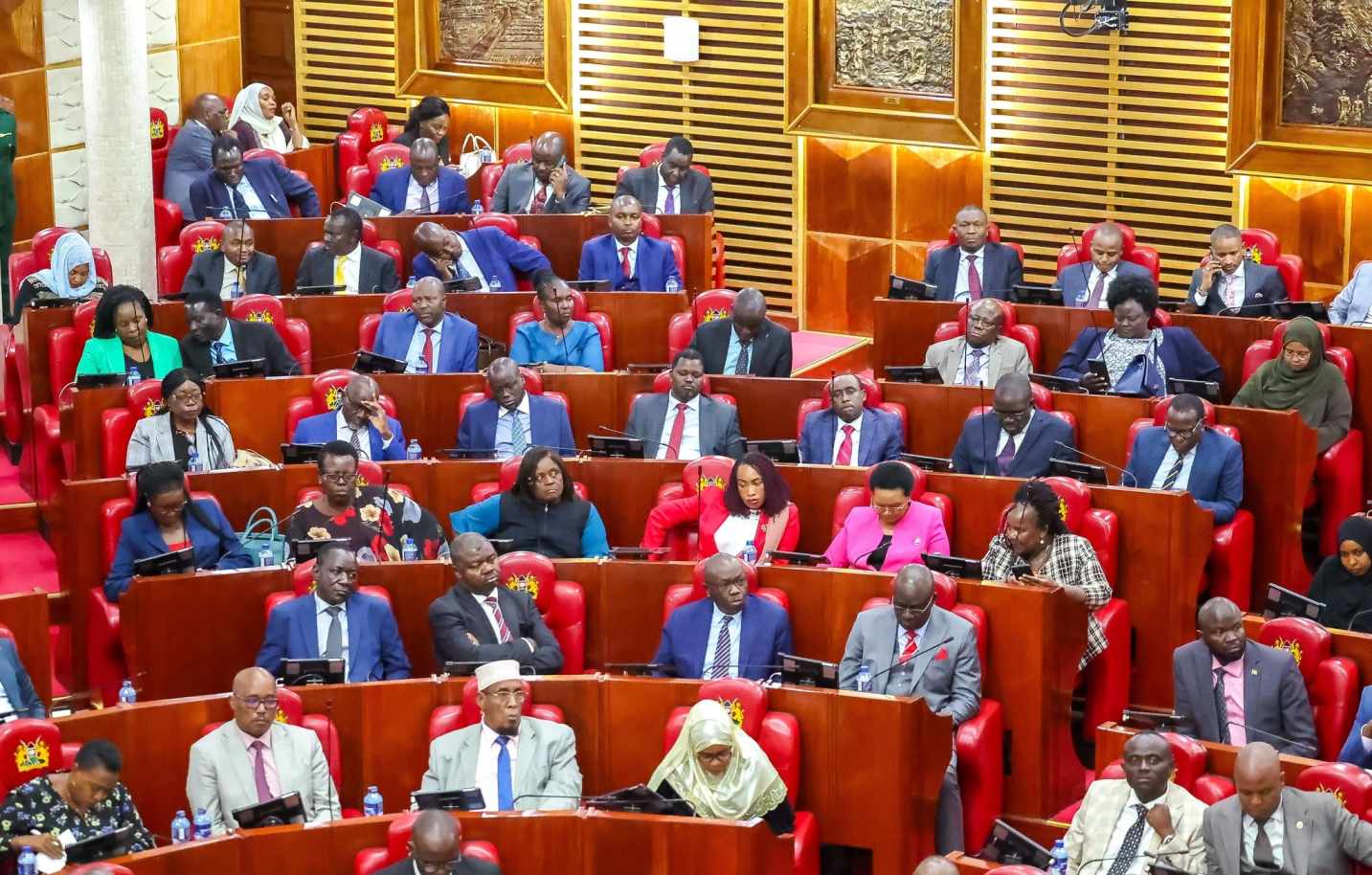
The concerns emerged when the Council appeared before the National Assembly’s Public Investment Committee on Social Services Administration and Agriculture to account for its projects, assets and expenditure.
Members of the Committee, chaired by Navakholo MP Emmanuel Wangwe, closely examined the Kenya Leather Industrial Park in Machakos, where a common effluent treatment plant has stalled despite reaching 95 per cent completion.
The facility was initially estimated to cost Sh2.3 billion. However, MPs were informed that the contractor is now seeking almost double the original contract value, with the disagreement having proceeded to arbitration.
The claim prompted legislators to question how the project had been handled and whether the Council had taken adequate steps to safeguard public money.
Nominated MP Jackson Kosgei raised broader concerns about the Council’s operations and the information available on its projects.
“It’s an organisation without a base; it’s a moving target, and it’s unpredictable,” he noted.
The Committee also sought answers over the ownership of the Training and Production Centre for Shoe Industry in Thika, which was transferred to KLDC by the Kenya Industrial Research and Development Institute in 2015.
Despite the transfer, the Council never received the property’s title deed, leaving its ownership unresolved.
The matter has become more difficult following a court decision which found that the last surviving trustee of the former governing board lacked the powers to seek a provisional title for the property.
In response, KLDC told MPs it had initiated compulsory acquisition proceedings through the National Land Commission.
The Council said the process would involve publishing public notices to allow anyone claiming an interest in the property to raise it before the ownership documents are eventually processed.
The situation at the Machakos park is different, with KLDC reporting that it secured a 50-year lease for the 100-acre property from the Export Processing Zone Authority in September 2025.
The lease formally placed the land under the Council’s control and resolved the ownership question surrounding the park.
Wangwe also challenged the Council to explain why Kenya has not developed a stronger leather manufacturing industry despite the available opportunities.
He cited Ethiopia’s progress in the sector and questioned why Kenya still imports leather shoes and jackets instead of producing more of these goods locally and creating employment opportunities for graduates.
The MPs then turned to equipment that has remained unused despite having cost the government Sh92 million.
An Auditor’s report showed that leather manufacturing machinery had been kept in storage for more than three years without being installed.
KLDC management said the delay was linked to the condition of the intended workspaces, explaining that they first needed to be modernised and fitted with new electrical installations before the equipment could be put into operation.
The Council’s Board Chairman admitted that some of the challenges were inherited from previous administrations but said efforts were already underway to address them.
He said the institution had made progress and was committed to building the leather industry to the standard expected of the Council.
The Committee nevertheless remained dissatisfied with some of the responses and ordered KLDC to submit a detailed report on the arbitration involving the treatment plant.
MPs also sought an update on repairs to the Machakos park’s perimeter wall after sections of it were brought down by recent floods.
During the same sitting, the Committee separately examined the Valuers Regulatory Board as part of its first audit review.
Auditors flagged several weaknesses at the board, including poor planning, inadequate staffing, gaps in policy and an audit committee that was not active.
They also found that the institution had been operating without a clear plan to guide its activities.
The board informed MPs that it was working on ICT and risk-management policies and had requested additional employees to strengthen its operations.
It further said preparations were underway for a strategic plan and committed to introducing annual work plans while improving its oversight structures.