
Repeated audit concerns at the Department of Foreign Affairs took centre stage in Parliament after lawmakers questioned why financial and accountability gaps continue to appear year after year despite assurances that they have been addressed.
The Public Accounts Committee challenged the department to explain why several audit recommendations remain unimplemented, exposing weaknesses in the management of public funds.
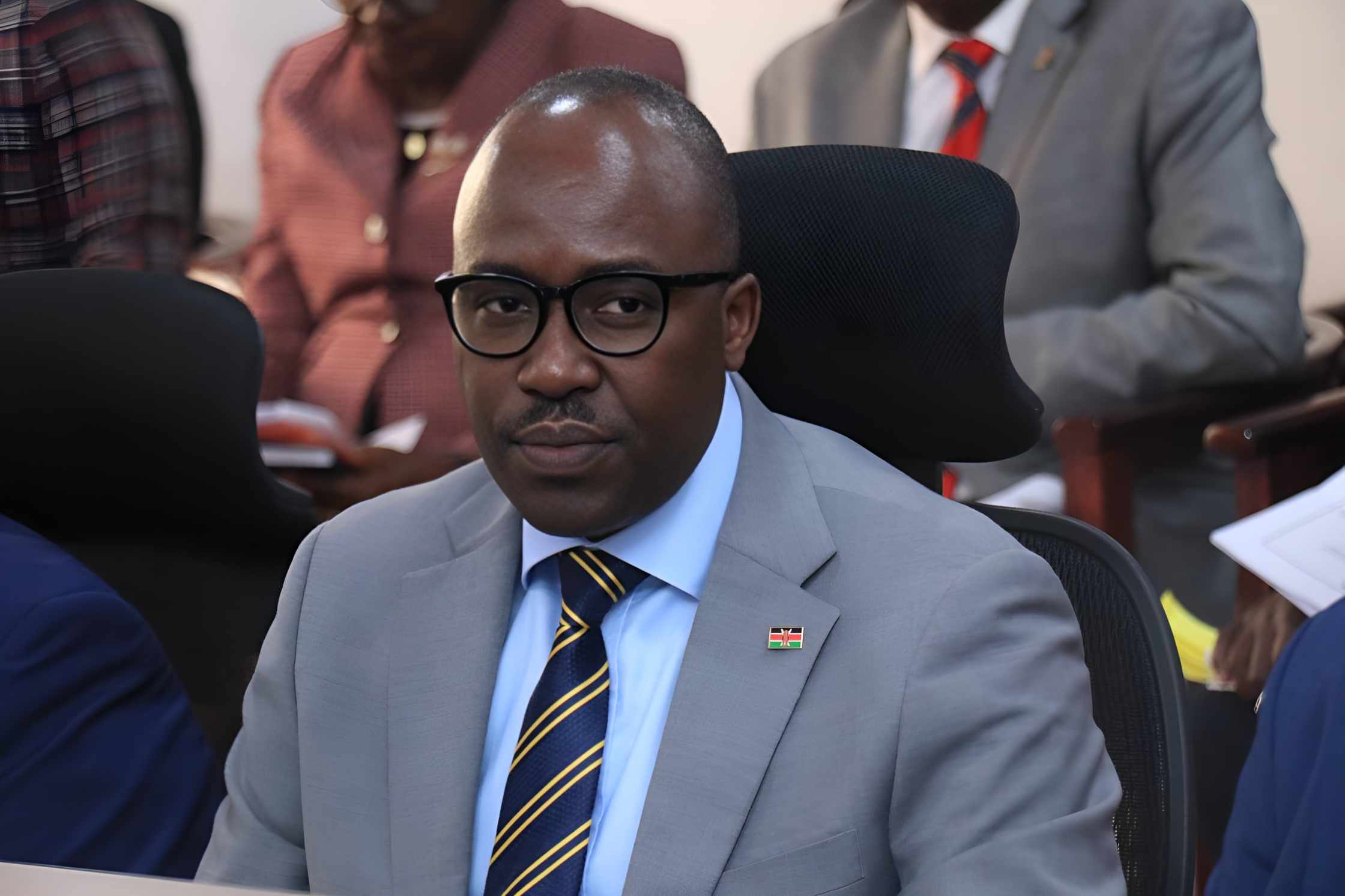
Principal Secretary for Foreign Affairs Korir Sing’oei appeared before the National Assembly's Public Accounts Committee on Tuesday to respond to issues raised in the Auditor-General's report for the 2023-24 financial year.
According to the committee's briefing, only 10 of the 24 audit issues raised by the Auditor-General have been fully addressed. Eleven remain unresolved, while three have only been partly dealt with, showing that several concerns raised in previous audits continue to resurface.
The Auditor-General's report points to long-standing weaknesses in financial management, procurement, asset management and governance. Members of the committee questioned why the department had failed to strengthen internal controls and fully implement recommendations that have repeatedly been made in earlier audit reports.
Among the issues attracting the committee's attention are unreconciled bank balances and accounting differences in Kenya's diplomatic missions abroad. Some of the unresolved reconciliation items date back to 1994, raising fresh questions about financial oversight within the department.
The audit found that bank reconciliation statements still contain outstanding items worth billions of shillings that have not been cleared over the years. It also noted differences between financial statements and supporting schedules, casting doubt on the accuracy of the department's financial records.
The department told auditors it had formed a task force to clear historical balances and had carried out reconciliation exercises. Even so, the Auditor-General concluded that many of the concerns had only been partly resolved.
“I have looked at the missions involved. They are not new. There are missions of long bilateral relationship. Why should it a problem for a mission like Washington that has been there for ages to have a system of accountability for all this years,” MP Nabii Nabwera (Lugari) queried.
The committee also examined the department's pending bills, which had reached Sh2.93 billion by the close of the financial year.
Sing’oei explained that the bills resulted from delayed exchequer releases. He said the expenditure had already been processed through the Integrated Financial Management Information System before the end of the financial year, but the funds were not released in time.
He told lawmakers that more than Sh2.55 billion of the pending bills has since been paid, leaving an outstanding balance of about Sh380 million.
Even so, the Auditor-General maintained that the matter remains unresolved because the unpaid obligations were carried forward into the following financial years.
Funding constraints emerged as another major issue during the audit. The department reported receiving Sh20.28 billion against a revised budget of Sh23.19 billion during the financial year, leaving a funding shortfall of about Sh2.91 billion.
The department said the funding gap disrupted planned activities, delayed payments to Kenya's diplomatic missions and contributed to the build-up of pending bills.
It further said limited funding had affected the maintenance of diplomatic properties abroad, delayed renovation works and left missions exposed to foreign exchange losses amounting to Sh854.5 million.
While acknowledging the funding challenges, the Auditor-General maintained that the department still needs to strengthen financial controls and improve areas that fall under its management.
The report also highlighted procurement weaknesses in several missions abroad, including the absence of registered supplier lists, failure to use standard procurement documents and non-compliance with procurement requirements.