
People who expose intimate photographs of others or use technology to inflict psychological harm could fall within an expanded definition of gender-based violence under a proposed law that also seeks to establish care facilities for survivors in every county.
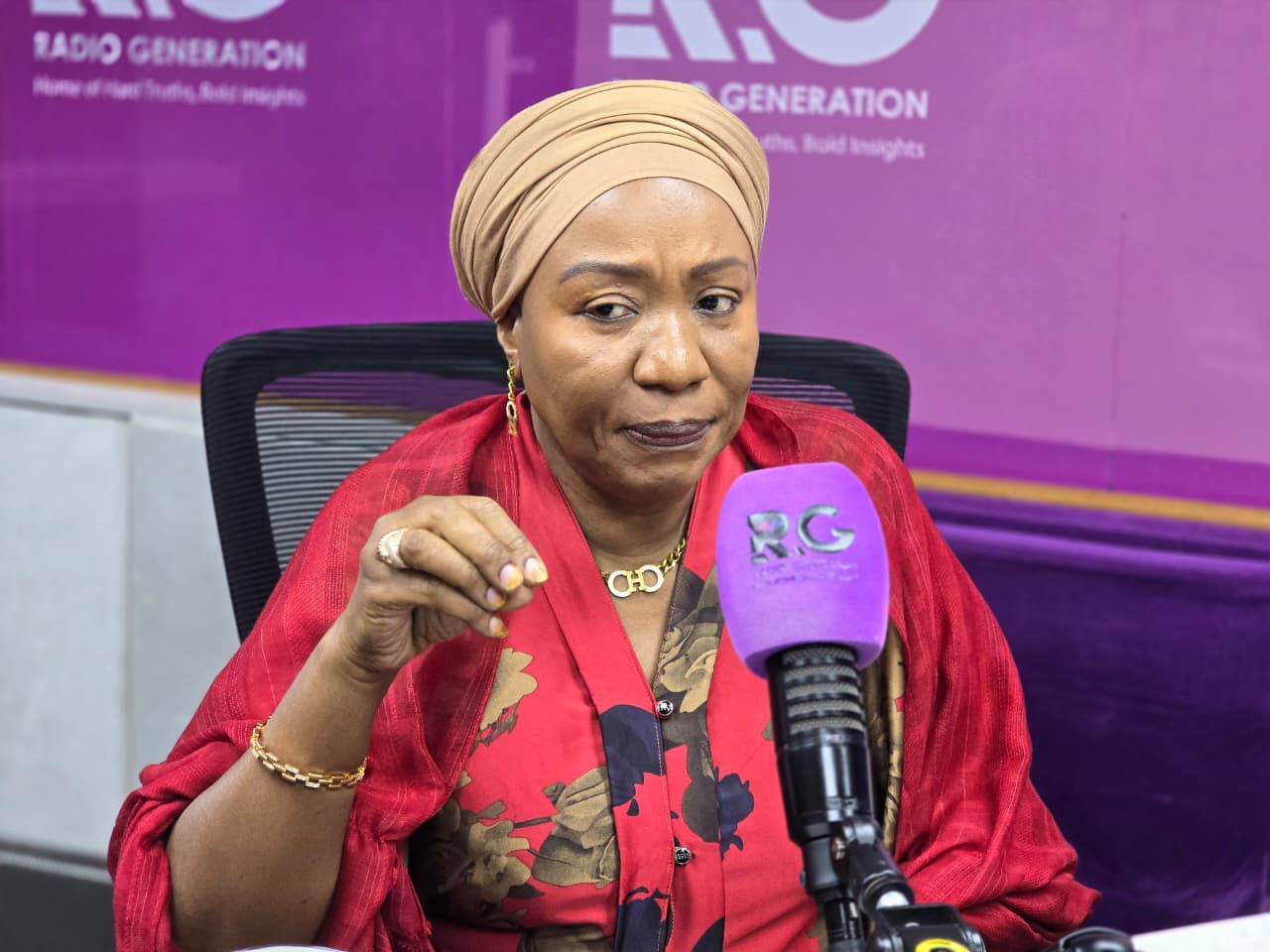
The Social Protection (Amendment) Bill, 2026, sponsored by nominated Senator Hamida Kibwana, proposes changes to the existing law to recognise abuse committed through digital platforms alongside physical violence. It also seeks to strengthen support for survivors by formally placing them within the country’s social protection system.
The Bill defines gender-based violence in terms that cover physical acts and technology-driven conduct resulting in physical, sexual or psychological suffering.
“Gender-based violence” means an act, whether physical or by use of technology, that results in physical, sexual or psychological harm or suffering,” the Bill states.
The proposed changes would also cover threats to commit such acts, coercion and arbitrary deprivation that puts a person’s safety, health or well-being at risk. The provisions would apply to conduct in both public and private life.
By widening the definition, the Bill seeks to bring technology-related abuse that causes harm within the scope of gender-based violence protections. This includes online humiliation and threats, as well as the exposure of nude photographs where the conduct results in the forms of harm described in the proposed definition.
The legislation has been published for introduction in the Senate for first reading, setting the stage for its consideration by lawmakers.
The proposed law goes beyond defining gender-based violence, seeking to establish care facilities across all 47 counties to provide shelter and specialised assistance to people affected by abuse.
Under the proposed changes to Section 6 of the Social Protection Act, county governments would be required to work jointly with the National Land Commission to secure land for the construction of the centres.
The facilities would cater to several groups considered vulnerable, including survivors of gender-based violence, orphans, children in difficult circumstances, poor older persons, people living with disabilities and other people requiring social support.
The proposed centres are intended to provide a structured system through which vulnerable people can access shelter and specialised care.
However, the Bill does not state how many facilities each county would be expected to establish. It also does not provide an estimated budget for construction, equipment or the day-to-day running of the centres.
The absence of specific figures leaves questions about the scale and cost of the proposed facilities unanswered, despite the legislation placing greater responsibility on county governments to support vulnerable populations.
GBV Survivors to Be Included in Social Protection Framework
The Bill also proposes amending Section 28 of the Social Protection Act to expressly recognise victims of gender-based violence as people in need of social protection.
The change would bring survivors into the existing framework for assisting vulnerable groups, potentially widening their access to safe shelter, specialised services and other forms of support.
In addition, the proposed amendments would empower the Cabinet Secretary responsible for social protection to issue regulations governing the establishment and management of the facilities.
Those regulations would prescribe “standards for the construction and administration of care facilities”.
They would also set out “standards of specialised care for victims of gender-based violence”, providing guidance on how the centres should be managed and the services made available to survivors.
The proposed regulatory framework is intended to establish requirements for both the physical facilities and the specialised assistance offered to people seeking protection.
In the memorandum accompanying the Bill, Kibwana says the amendments are designed to increase the involvement of county governments in protecting people facing social and economic vulnerability.
“The principal object of this Bill is to amend the Social Protection Act, 2025 in order to enhance the role of the county governments in social protection,” the memorandum states.
The senator argues that formally recognising survivors of gender-based violence under the social protection framework would help improve their welfare and access to assistance.
“If enacted, the Bill will play a significant role in the protection of the persons who suffer gender-based violence and improve their social welfare,” the memorandum states.
Kibwana also points to Kenya’s international obligations, arguing that the proposed care facilities would contribute towards meeting commitments under the Convention on the Elimination of All Forms of Discrimination against Women.
The proposal therefore combines an expansion of the legal definition of gender-based violence with measures aimed at improving the support available to survivors and other vulnerable people.
If enacted, the amendments would formally bring technology-related acts that cause the specified forms of harm within the proposed definition of gender-based violence. They would also create a legal basis for county-level care facilities, with regulations expected to guide their construction, administration and specialised services.