Residents along Nairobi riverbanks asked to vacate as floods raise alarm
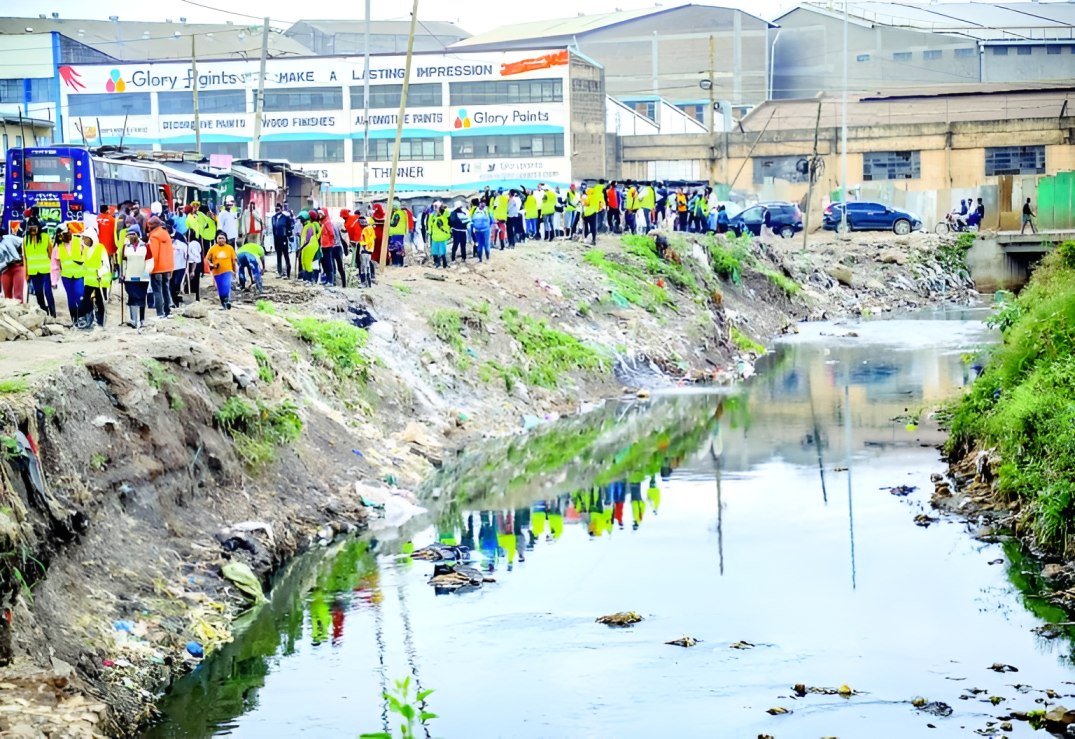
The Nairobi Rivers Commission said the latest flooding incidents have exposed the vulnerability of the capital’s urban environment and highlighted the urgent need to restore and protect river corridors and drainage systems.
Residents, landowners and businesses operating along riverbanks in Nairobi have been asked to leave riparian zones and remove any structures blocking waterways as authorities warn that continued encroachment is worsening flooding risks across the city following the recent heavy rains.
The Nairobi Rivers Commission said the latest flooding incidents have exposed the vulnerability of the capital’s urban environment and highlighted the urgent need to restore and protect river corridors and drainage systems.
The Commission also conveyed condolences to families who lost loved ones and to residents and businesses whose homes, property and livelihoods were affected after the downpour triggered flooding in several parts of the city.
In a statement issued on Saturday, Commission Chief Executive Officer Joseph Muracia called on people living along riverbanks, especially those within riparian areas and floodplains, to vacate the zones and remove any structures that interfere with the natural flow of rivers.
"The Commission therefore calls upon all persons living along riverbanks, particularly within riparian areas and floodplains, to vacate these areas and remove structures that interfere with the natural flow of rivers," the statement read in part.
Muracia said flooding in many neighbourhoods has been worsened by human activities that interfere with natural water channels and drainage systems.
" In many areas, flooding has been exacerbated by encroachment on riparian reserves, obstruction of natural waterways and stormwater drains, construction of permanent structures such as buildings and boundary walls within riparian zones and stormwater way-leaves, as well as improper waste disposal that blocks drainage channels and river flows," said Muracia.
"These activities reduce the natural capacity of rivers and drainage systems to safely channel stormwater during heavy rainfall."
The warning comes as authorities step up efforts under the Nairobi Rivers Regeneration Programme, a multi-agency initiative bringing together national and county government agencies to rehabilitate the city’s waterways and address environmental degradation.
Muracia said the programme includes the ongoing identification, marking and recovery of riparian and floodplain areas along major rivers and their tributaries across the capital.
The exercise is currently being carried out along sections of the Nairobi, Mathare, Ngong, Ruaka, Getathuru and Mbagathi rivers.
" The objective of this exercise is to restore riparian buffers, improve water flow within river and stormwater channels and create safer flood management zones that protect surrounding communities and infrastructure," the commission stated.
Muracia noted that reopening and protecting riparian and floodplain corridors will play a key role in tackling long-standing challenges affecting Nairobi’s rivers, including flooding, pollution and environmental degradation.
Residents, landowners and businesses situated near riverbanks have therefore been urged to cooperate with authorities during the demarcation process and to respect legally defined riparian and floodplain boundaries.
"Public cooperation is essential to ensuring the success of these interventions and to protecting lives and property during periods of heavy rainfall," said Muracia.




Comments
Sign in with Google to comment, reply, and like comments.
Continue with Google