
The National Police Service (NPS) has proposed increasing allowances for police instructors from the current 25 per cent to as much as 45 per cent of their basic salaries, citing demanding working conditions, specialised duties and risks associated with training officers.
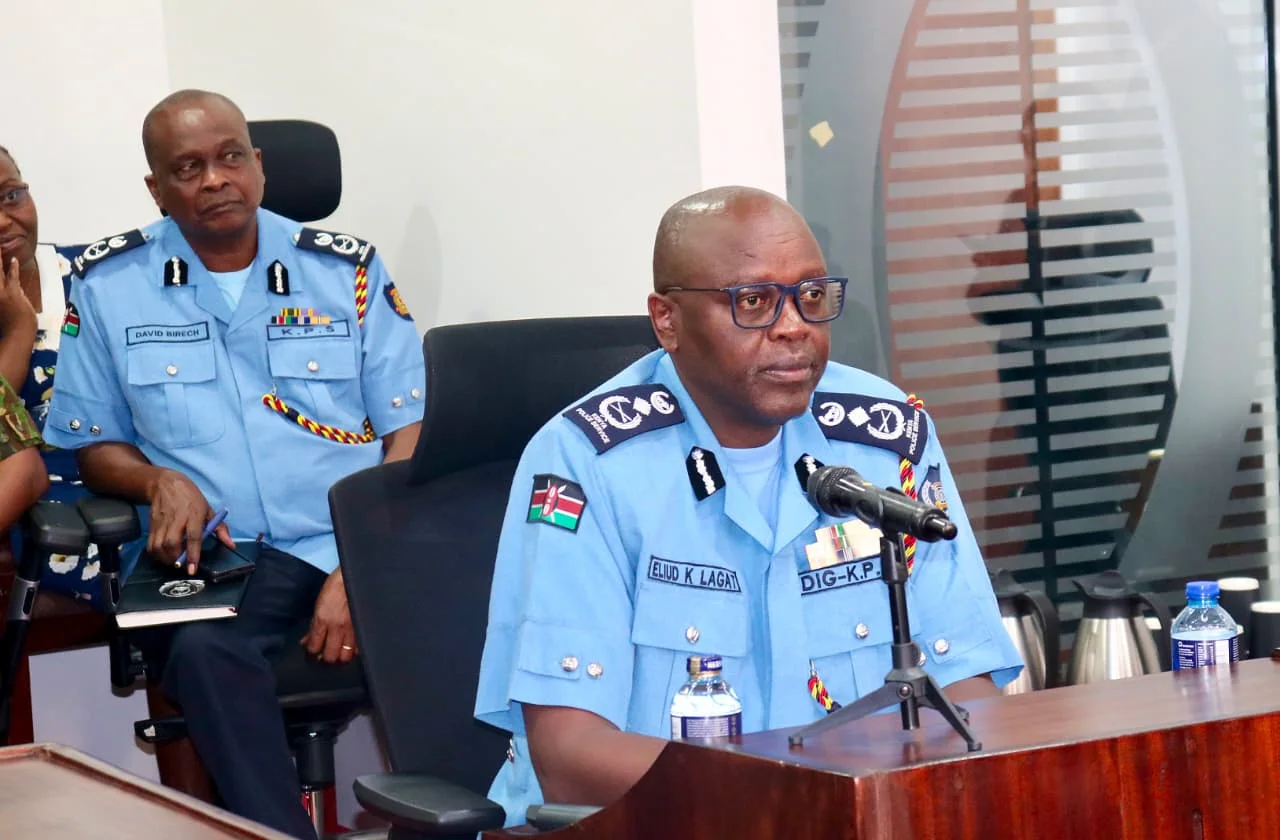
The proposal was presented by Deputy Inspector General of Police Eliud Lagat before the National Assembly Departmental Committee on Administration and Internal Security on Tuesday, November 10, 2026, where he called for a review of the existing compensation structure to reflect the responsibilities shouldered by instructors.
Lagat told MPs that police instructors perform a key role in preparing officers for their duties by equipping them with professional skills, operational knowledge and discipline needed to serve within the security agencies.
He argued that the nature of their work required better financial recognition, noting that instructors handle specialised training responsibilities under challenging conditions.
"The National Police Service recognises the critical role played by police instructors in developing the professional competencies, operational capabilities and discipline required for effective policing. Instructors undertake specialised instructional responsibilities, often under demanding working conditions, which require appropriate recognition and compensation," Lagat stated.
The Service explained that the Instructor's Allowance was introduced in July 2013 following recommendations by the Philip Ransley Task Force.
However, it maintained that the existing rate had become inadequate after more than 13 years, with rising living costs and changing economic conditions reducing the financial benefit initially intended for the officers.
Lagat told the committee that the allowance had lost its ability to sufficiently compensate instructors for the demands of their assignments.
"More than 13 years since its implementation, inflation and changing economic conditions have significantly eroded the purchasing power of the allowance, diminishing its intended compensatory value," he submitted.
The proposed adjustment is expected to cover 3,895 instructors serving in three security agencies under the National Police Service.
The Kenya Police Service has the highest number, with 2,415 instructors, followed by the Administration Police Service with 1,428. The Directorate of Criminal Investigations (DCI) accounts for the remaining 52.
Despite the request, the Salaries and Remuneration Commission (SRC) maintained that it could not consider the proposed changes without receiving a formal submission outlining the financial requirements, affordability and long-term impact of the adjustment.
The commission also argued that the current allowance had already benefited from automatic increases whenever basic salaries were reviewed.
It further asked the National Police Service to provide details of the additional responsibilities performed by instructors and comparisons with similar positions in other public institutions before determining whether the proposed changes were justified.
The SRC's position prompted questions from MPs, who expressed concern over delays in addressing the instructors' compensation demands.
Mount Elgon MP Fred Kapondi challenged the commission's representatives, arguing that the review process should have been handled more quickly given that the matter fell within its mandate.
"It's your mandate, and you should have fast-tracked the process," Kapondi told the officials.
Sotik MP Francis Sigei also questioned the approach used by the commission when assessing the working conditions of police instructors, urging its officials to visit training facilities and establish the challenges officers face on the ground.
He argued that decisions on allowances should be informed by actual working conditions rather than assessments conducted from offices.
"SRC should go out and move out of the boardroom and see what we were able to see," Sigei said.
Committee Vice-Chairman Dido Rasso supported the proposed increase, drawing on his experience as a military trainer and former head of army training to explain why instructors deserved better financial incentives.
Rasso maintained that monetary rewards were necessary to keep trainers motivated and encourage experienced personnel to remain in security institutions.
"I was a trainer, and I was the head of army training, and I'm in a very familiar situation. People are not motivated by kind words, but they are motivated by money in the pocket," Rasso said.
He also warned that the responsibilities undertaken by instructors exposed them to risks, making improved compensation an important consideration in retaining skilled personnel.
"Instructors are at risk at all times. It's not an easy task and we have to motivate them to retain them," he added.
Beyond the proposed allowance adjustment, Rasso called for the formation of a job evaluation team to examine the terms of service and working conditions of public officers.
He said a structured assessment would help government institutions make informed decisions when reviewing salaries and allowances, ensuring that compensation discussions were based on the actual demands placed on different categories of workers.
"On job evaluation team, we must have such a team that evaluates terms of service so that when we discuss the issues of salaries we are aware," he stated.
Responding to the concerns raised by MPs, an SRC representative said the commission was planning a wider assessment of remuneration arrangements across the public service.
"We are doing a study across the public service in future," the official said.
The proposed increase from 25 per cent to between 30 and 45 per cent is yet to receive approval and remains subject to further consideration by the relevant authorities.
The discussions have brought renewed attention to the financial recognition of police instructors, with MPs pressing for a review that takes into account their responsibilities, exposure to risks and the need to retain experienced trainers while ensuring public funds are used sustainably.