Muturi blames State influence, electoral gaps for Opposition losses in by-elections
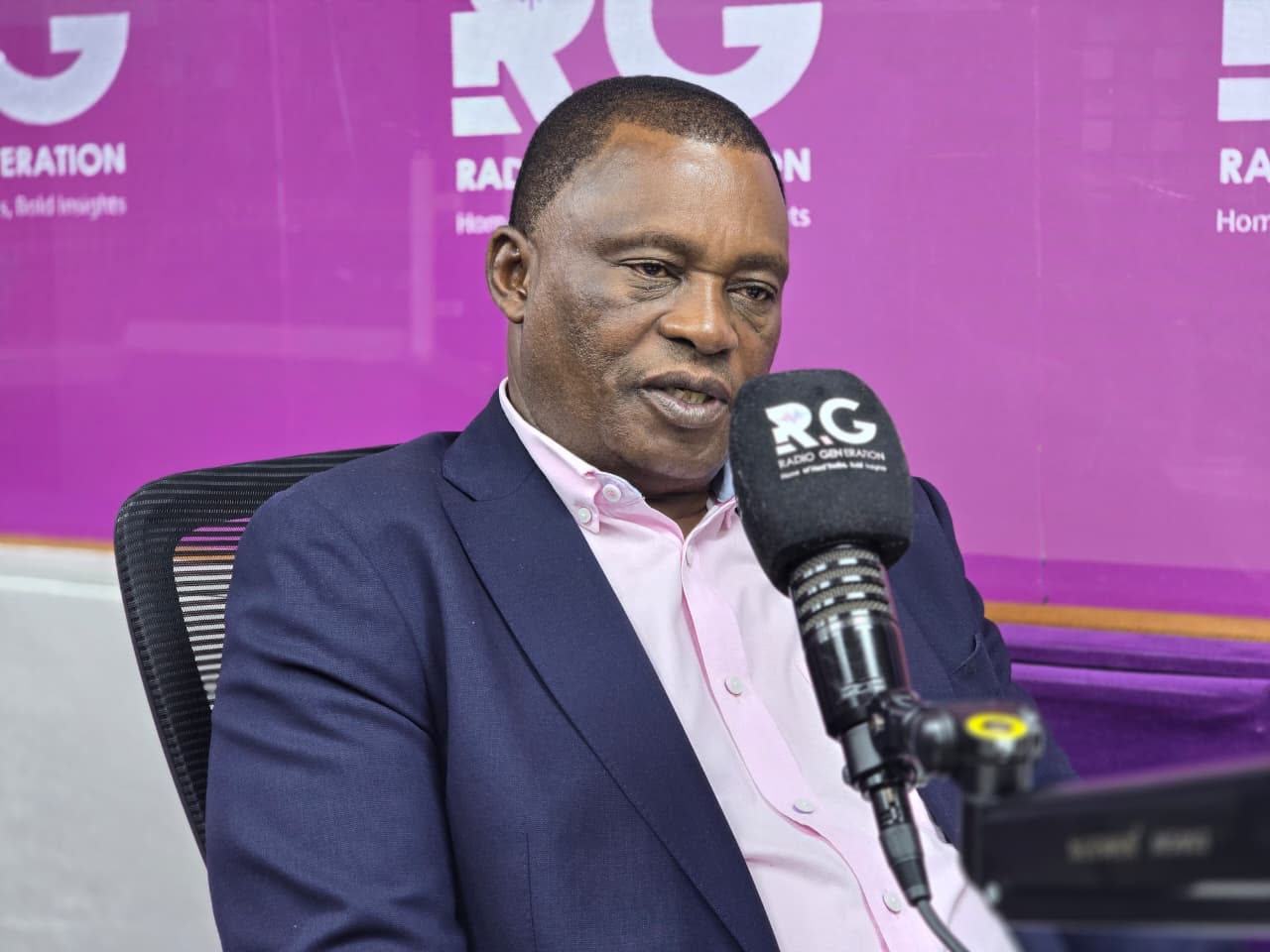
Muturi said political competition during by-elections is often shaped by the power and resources available to the ruling side, which he claimed creates an uneven playing field.
Democratic Party leader Justin Muturi has blamed the opposition’s weak performance in recent by-elections on what he described as the influence of state resources and gaps in Kenya’s electoral system, saying such conditions make it difficult for parties outside government to compete fairly.
Speaking on Radio Generation on Thursday, Muturi said political competition during by-elections is often shaped by the power and resources available to the ruling side, which he claimed creates an uneven playing field.
Muturi said the situation becomes more pronounced midway through a government’s term, when those in power are better placed to influence political outcomes.
“I think we have a number of problems in the country, one of which is we have a rogue leadership in government,” Muturi said. “Government that shows no regard for institutions whether established by the Constitution or not, in a big way makes it very difficult sometimes for parties not in government to perform well.”
The former Speaker of the National Assembly said the use of public resources during by-elections often affects the ability of other parties to compete.
“We’ve seen a lot of use of public resources to go and try to persuade or bribe — in fact, maybe persuade through bribery — in a particular way,” he said. “It is not unique. I’ve been around for some time and I’ve seen a number of by-elections happen where there is acute state influence.”
Muturi also raised concerns about the electoral system run by the Independent Electoral and Boundaries Commission, saying he has previously criticised its infrastructure and believes some parts of it could be open to manipulation.
“I’ve also myself been quite critical of the IEBC electoral infrastructure. It is one that has been discussed the world over,” he said, adding that election technology in some countries has faced questions over credibility.
He said discussions he recently held with voters revealed growing doubts about the integrity of electoral processes, especially on how voters are verified at polling stations.
“You see, we have a system in Kenya — there is voter registration. When you register a voter, you are issued with a voter’s card,” he explained. “But when you go to vote, nobody asks you for the voter’s card. You just show your ID, place your thumb, and because the data has been integrated, your photograph shows and you are given a ballot paper.”
Muturi noted that the reduced role of voter cards has raised questions among some citizens who remember when the documents were required during voting.
“Every time I went to vote I would carry both my ID and voter’s card. Those were very crucial documents,” he said. “When you give in the voter’s card — if it’s not required — that raises questions.”
He said strengthening the country’s electoral systems and ensuring fairness in the use of public resources will be important in restoring trust in elections.
The comments came after the ruling United Democratic Alliance swept all four seats contested in the February 26, 2026 by-elections conducted by the Independent Electoral and Boundaries Commission.
The party won one parliamentary seat and three county assembly positions.
In Isiolo South Constituency, UDA candidate Mohamed Tubi secured the parliamentary seat with 7,352 votes, defeating his sister Bina Tupi of the Jubilee Party who garnered 634 votes. Isack Fayo of the National Economic Development Party received 44 votes.
In Evurore Ward in Mbeere North Constituency, Duncan Muratia of UDA won with 7,853 votes, ahead of Albert Muchira of the Democratic Party who got 1,940 votes.
UDA also claimed victory in Muminji Ward, where Peterson Njeru received 3,207 votes, defeating Boniface Kariuki of the Development Empowerment Party who polled 2,232 votes.
In West Kabras Ward, Elphas Shalakha of UDA won with 3,317 votes, beating Bramwel Wasike Khaemba of the Democracy for the Citizens Party who received 2,640 votes.


Comments
Sign in with Google to comment, reply, and like comments.
Continue with Google