
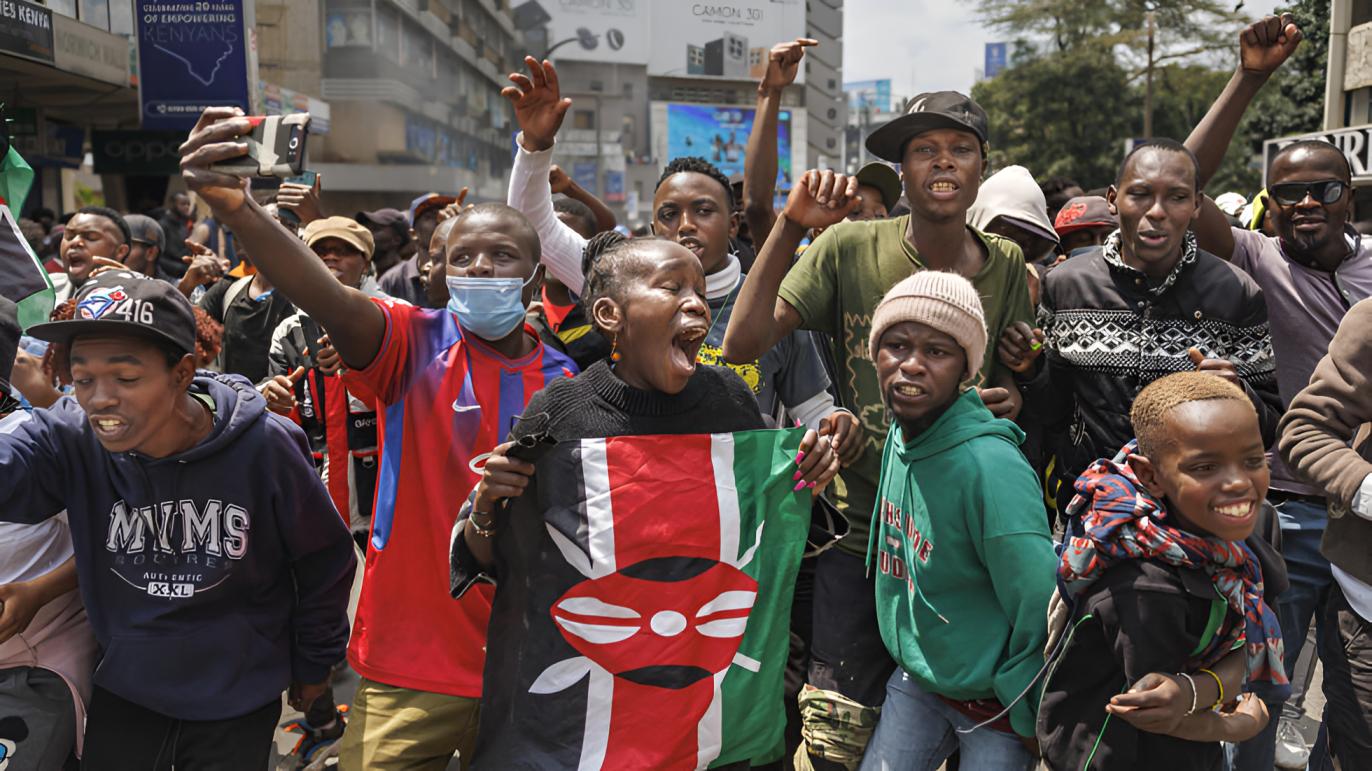
Rising living costs and growing frustration over basic needs drove a sharp increase in protests across Kenya in the first half of 2026, with 453 demonstrations recorded between January and June.
The figure represents a 29 per cent increase compared with the same period in 2025, according to the Kenya Freedom Index released by Odipo-Dev and Amnesty International Kenya on Tuesday.
The report links the surge mainly to economic concerns, particularly rising prices and fuel costs, while food, housing and education remained key issues behind public demonstrations.
The index recorded 1,292 protest events across the country between January 2025 and June 2026. Of these, 839 occurred during the whole of 2025, while 453 were recorded in the first six months of this year alone.
The report shows that the nature of the grievances changed between the two periods. In 2025, labour disputes, pay and poor working conditions were among the leading reasons for demonstrations. In the first half of 2026, however, price increases, especially fuel price hikes, emerged as a major trigger.
Odipo Dev Co-Founder Odanga Madung said the growing number of demonstrations reflected unresolved concerns among Kenyans.
"The figures reveal a country in which people are repeatedly taking to the streets because their economic, social and political concerns are not being adequately addressed. The state's response must not be repression. Kenyans have the right to protest peacefully, to express dissent and to demand accountability without facing unlawful violence, arbitrary arrest or death," Madung said.
The national government was the main target of protests during the first six months of 2026, with 183 events recorded. That figure was almost equal to the 184 protests directed at the government throughout 2025.
Residents and community groups formed the largest part of the protest movement, while students remained among the most organised and regular participants.
Peaceful marches were the most common form of protest. However, the index also recorded more road blockages and other disruptive actions, which the organisations linked to rising economic and social grievances and growing frustration with official responses.
Amnesty International Kenya Executive Director George Morara said authorities should protect peaceful demonstrations rather than treat dissent as a security threat.
"The right to peaceful assembly is protected under Kenya's Constitution and international human rights law. Authorities must facilitate and protect peaceful protests, not treat legitimate dissent as a security threat. Any use of force must be lawful, necessary and proportionate," Morara said.
The report also raised concerns over deaths, injuries and arrests linked to protests, particularly where police used force to disperse demonstrators.
June and July 2025 were identified as the deadliest protest period covered by the index. IPOA recorded 65 deaths during the period, while KNCHR separately recorded 19 deaths on June 25 and 38 on July 7.
On June 25, KNCHR recorded 531 injuries, while IPOA recorded 195. IPOA recorded a further 146 injuries on July 7.
Arrests were also high. IPOA recorded 760 arrests on July 7, 2025, the highest single-day figure for that year.
The first half of 2026 also recorded high arrest numbers. Protests against fuel price increases on May 18 resulted in 348 arrests according to the Ministry of Interior and National Administration, while the Directorate of Criminal Investigations reported 710 arrests. Another 355 arrests were recorded on June 25.
Police dispersals in the first six months of 2026 reached 77 per cent of the total recorded throughout 2025, while arrests reached 73 per cent of last year's figure.
Teargas was the most frequently documented weapon used by police during protests in both periods, followed by live ammunition. The report raised concern over the continued use of live bullets during crowd-control operations.
The organisations said lethal force may only be used "when strictly necessary to protect life from an imminent threat of death or serious injury." They said it should not be used to disperse demonstrations or punish people for expressing dissent.
Odipo-Dev and Amnesty International Kenya called for investigations into deaths, injuries, torture allegations and unlawful use of force during protests. They also urged authorities to release people detained solely for peacefully exercising their rights and ensure detainees have access to lawyers, families and medical care.
The groups further called on the government to publish detailed data on protest-related deaths, injuries and arrests and urged President William Ruto's administration to address the economic and social grievances driving demonstrations through transparent and meaningful public participation.
The Kenya Freedom Index was compiled from media and YouTube reports using automated and manual searches, followed by human review and removal of duplicate records.
Data on deaths, injuries and arrests was sourced from IPOA, KNCHR and Amnesty International Kenya.
The organisations noted that the figures cover documented incidents and may not represent the full scale of protests or related violations.