
President William Ruto has proposed exempting Kenyans earning Sh32,333 or less per month from paying Pay As You Earn (PAYE) income tax, in a move aimed at increasing take-home pay for low-income workers.
“I have prepared a proposal to exempt Kenyans earning Sh32,333 per month, or less, from paying Pay As You Earn income tax.”
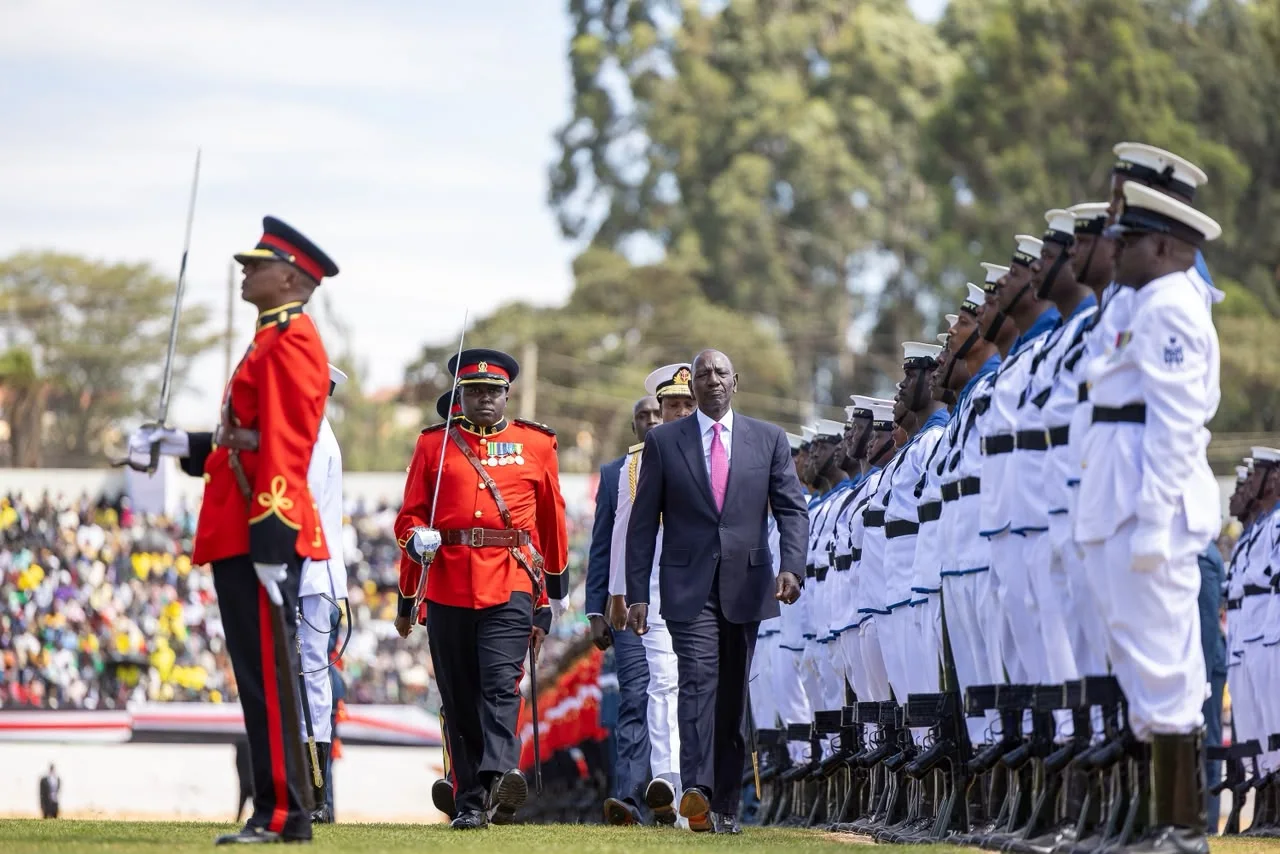
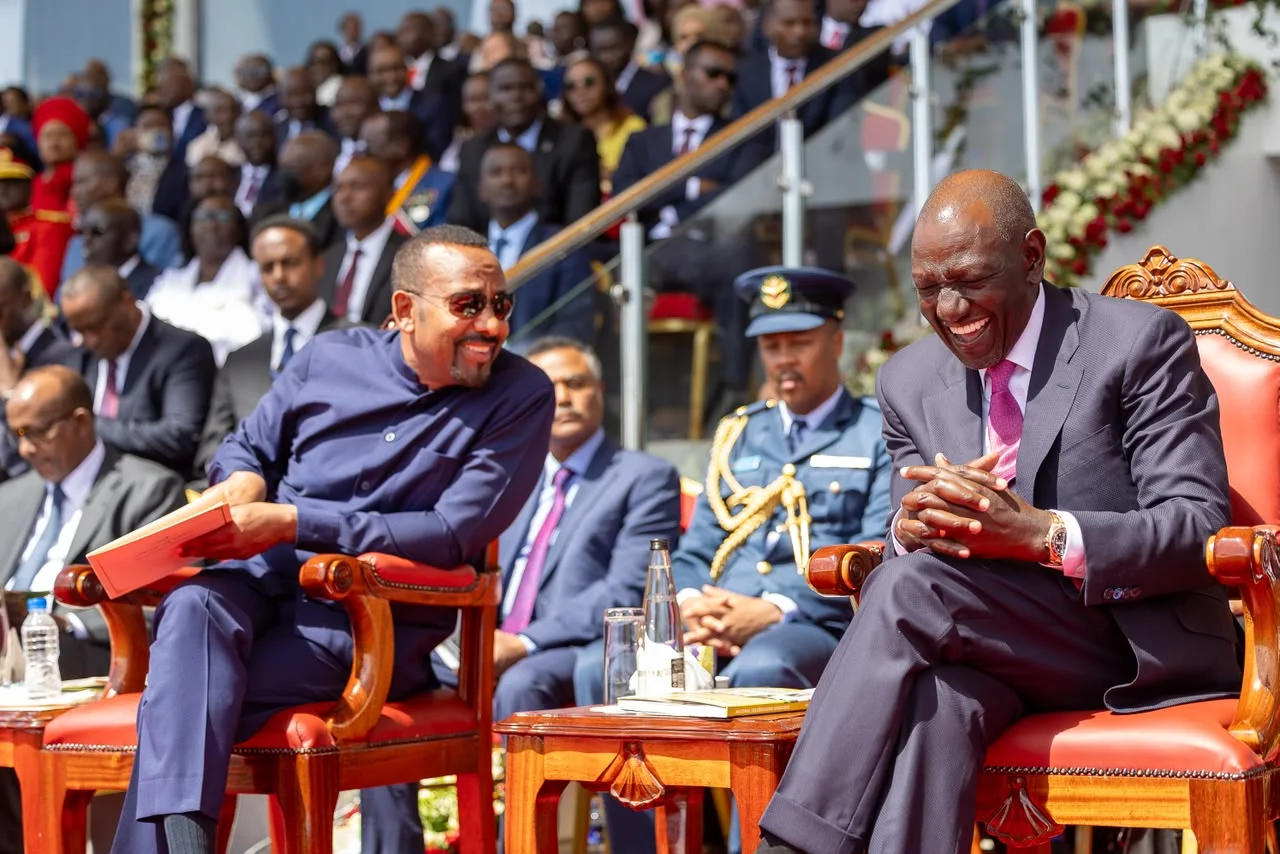
Ruto made the announcement during the 2026 Mashujaa Day celebrations in Eldoret, Uasin Gishu County, on Tuesday, saying the proposal was intended to ease the financial burden on households struggling to meet daily expenses.
The President said the government had prepared the proposal as part of efforts to ensure workers on modest incomes retained more of their earnings to cater for essential needs, including food, transport and school expenses.
“For workers on modest incomes, every shilling saved means more money for food, transport, school expenses, and the needs of their families,” Ruto highlighted.
He added that he had directed the National Treasury to present the proposal to Parliament the following week for consideration, setting in motion the process required to introduce the proposed tax relief.
The announcement comes amid continued public debate over taxation, the cost of living and the amount of money workers retain after statutory deductions. PAYE is deducted from the employment income of eligible workers, with the amount payable determined by applicable tax bands and reliefs.
The proposed exemption would mark a change in how employment income is taxed for workers earning within the specified monthly threshold. However, its actual effect will depend on the final policy details, including the legislation adopted and the date the changes take effect.
Ruto acknowledged that many Kenyans continued to face economic difficulties despite the progress his administration says it has made in implementing its economic agenda.
“Modest incomes are still part of our reality. Difficult business conditions and expanded employment opportunities are required. Progress must never become an excuse for complacency.”
The President said his administration had a responsibility to respond to the concerns of citizens and ensure that government policies addressed the economic pressures facing households.
He argued that the proposed exemption would help workers retain a greater share of their earnings, potentially giving families additional resources to meet their basic needs.
The announcement also comes against the backdrop of wider discussions about the burden of taxation on salaried employees, particularly those whose earnings leave limited room for savings after meeting household expenses.
For workers earning Sh32,333 or less monthly, the proposed exemption could provide relief by removing PAYE from their employment income, subject to the final provisions of the measure. The proposal does not, by itself, establish that other statutory deductions or taxes would also be removed.
The President maintained that the government would follow the necessary legislative, fiscal and administrative processes before implementing the measures announced during the celebrations.
The National Treasury is expected to present the proposal to Parliament, where its provisions will be considered before any change to the existing tax framework can take effect.
The proposal was announced during Mashujaa Day, a national public holiday held every year on October 20 to honour Kenyans who made significant contributions to the country's independence struggle and subsequent development.
This year's celebrations were held in Eldoret, the capital of Uasin Gishu County, bringing together national and county leaders, security officers, invited guests and members of the public.
In his address, Ruto linked the government's economic agenda to the responsibility of improving the lives of ordinary citizens, saying progress should be measured by whether Kenyans enjoy greater dignity and economic opportunity.
He maintained that the proposed tax relief was intended to translate the government's commitment to improving livelihoods into practical action.
The proposal now awaits consideration through the relevant government and parliamentary processes, with further details needed to establish how the exemption would be implemented and when eligible workers could begin benefiting from it.