
School principals who channel public funds to the Kenya Secondary Schools Heads Association (KESSHA) and the Catholic Principals Schools Association (CAPSA) without approval from the Ministry of Education risk being held personally liable and forced to repay the money from their own pockets, MPs have warned.
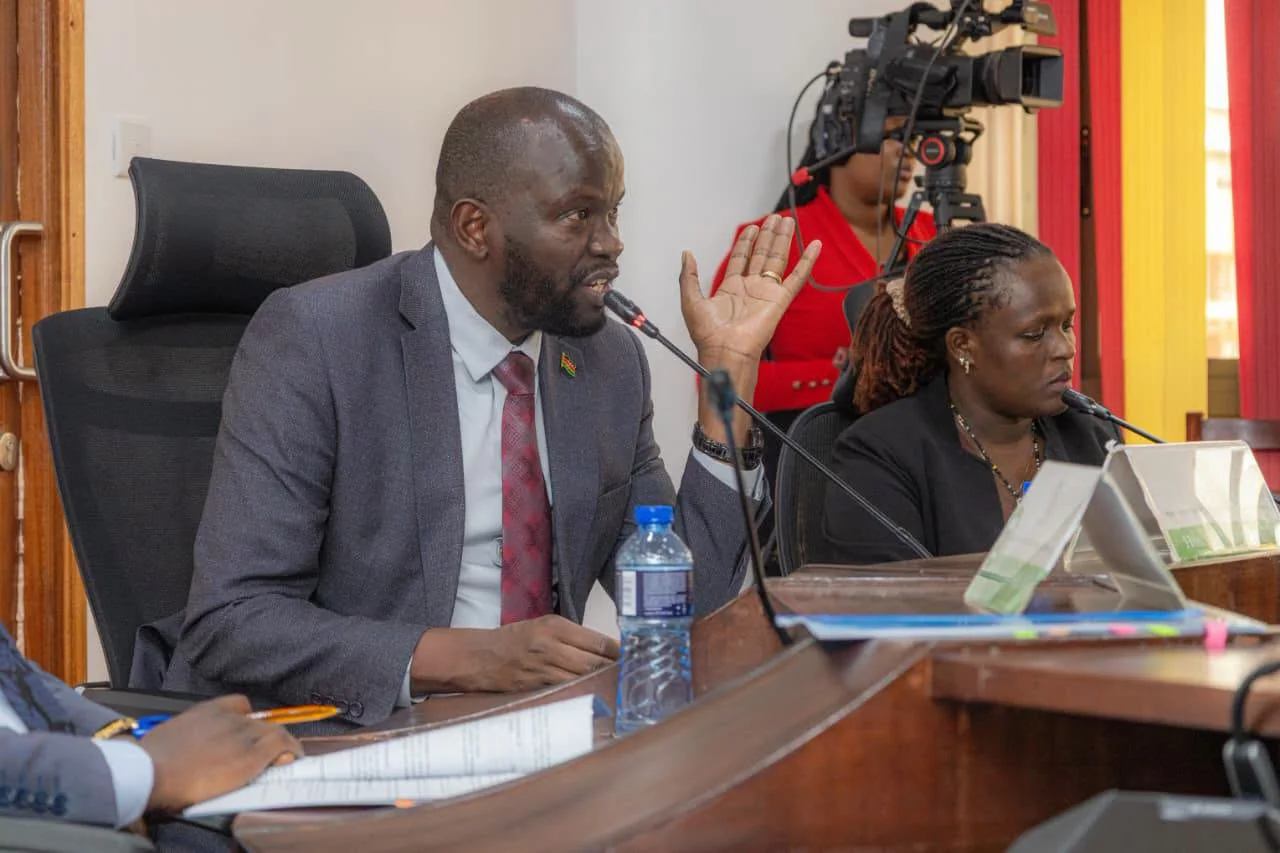
The National Assembly Public Investments Committee on Governance and Education issued the warning on Wednesday as it questioned the use of public funds in schools, raising concerns over payments to associations whose legal status and eligibility to receive government money have come under scrutiny.
The committee said school heads must ensure that all expenditure is covered by approved budgets and follows the required financial procedures, cautioning that the intended benefits of activities organised by the associations do not automatically make the transfers lawful.
The concerns emerged during the examination of Auditor-General's reports for the 2020/2021 to 2024/2025 financial years covering Meru School, St Mary’s Girls High School-Igoji, Chogoria Girls High School and Ikuu Boys High School.
St Mary’s Girls High School-Igoji Chief Principal Florence Mutwiri was questioned over Sh992,950 transferred to KESSHA and CAPSA.
According to the audit report, the Auditor-General could not establish whether the payments had delivered value for money, citing the absence of an established government funding framework for the associations and adequate assurances on financial management and internal controls.
Bomachoge Chache MP Alpha Miruka questioned why public funds allocated to schools were being transferred to other accounts instead of being used directly by the institutions for approved activities.
“The Ministry gives you money to spend. That means the same Ministry giving you money to develop infrastructure and undertake co-curricular activities expects you to manage those activities yourselves. If you transfer this money to another account, you will be held responsible as an individual and will pay from your own pocket,” Miruka said.
Kasipul MP Boyd Were, the committee’s vice-chairperson, warned that principals risked personal surcharges regardless of which of the two associations received the money.
“Where you transfer any amount to KESSHA or CAPSA, you risk being surcharged as an individual. The next time you transfer money to these associations, you will pay from your own resources,” Were said.
Principal defends payments to Catholic association
In her defence, Mutwiri told the committee that the payments to CAPSA supported programmes organised for Catholic-sponsored schools in Meru and Tharaka Nithi counties.
She said the contributions funded training for teacher chaplains, capacity-building programmes for principals, training for boards of management chairpersons, retreats for principals and leadership programmes for students.
Mutwiri explained that CAPSA brought together about 100 active Catholic schools in the two counties under the Diocese of Meru. Through the arrangement, the institutions pooled resources to organise programmes that individual schools might find difficult to finance independently.
However, the explanation did not settle the committee's concerns about the authority under which the public money had been transferred.
Narok County Woman Representative Rebecca Tonkei pressed Mutwiri to identify the law or regulations that allowed schools to make the payments.
“I will explain without quoting the law because it is not law,” Mutwiri told the committee, acknowledging that the arrangement was not based on a specific law.
The MPs maintained that even where contributions supported useful educational programmes, school heads were still required to demonstrate that the expenditure had been properly authorised.
Sh383,525 transferred to KESSHA questioned
The committee also examined Sh383,525 that St Mary’s Girls High School-Igoji transferred to KESSHA to support co-curricular activities.
The funds were intended to support programmes including sports, athletics, drama and science and engineering fairs.
Mutwiri told the committee that pooling resources through the association had helped schools organise and coordinate joint activities. However, she acknowledged that the audit queries had raised questions about KESSHA’s legal status.
She said principals would need to engage the association’s leadership and the relevant authorities to address the concerns and have its status regularised.
Were directed schools to stop sending money to KESSHA until the committee had consulted the Ministry of Education and obtained guidance on how the matter should be handled.
“Meanwhile, handle your sports and other activities internally using your approved school budgets. Stop remitting money to KESSHA until we have engaged the Ministry and the relevant officials.”
The directive means schools should continue financing their sports and other co-curricular programmes through their approved budgets rather than transferring money to KESSHA while the consultations are pending.
Committee seeks guidance from Education Ministry
The committee, chaired by Luanda MP Dick Maungu, said it would seek clarification from the Ministry of Education on the legal status of the associations and the rules governing contributions from public schools.
The consultations are expected to provide direction on whether and how schools can support joint programmes organised through the associations without breaching public finance requirements.
The panel clarified that it was not opposed to principals working together through professional associations to coordinate school activities. Its concern, however, was whether public funds were being transferred under a legally recognised and properly authorised arrangement.
The committee insisted that school heads, as officers responsible for managing public resources, must follow approved budgets and established financial procedures when spending money allocated to their institutions.
The warning places principals on notice that payments made without the necessary approval could expose them to personal financial consequences, even when the money is intended to support activities for learners, teachers or school administrators.
The outcome of the planned consultations with the ministry and relevant officials is expected to guide public schools on financing joint activities while protecting accounting officers from liability arising from unauthorised expenditure.