
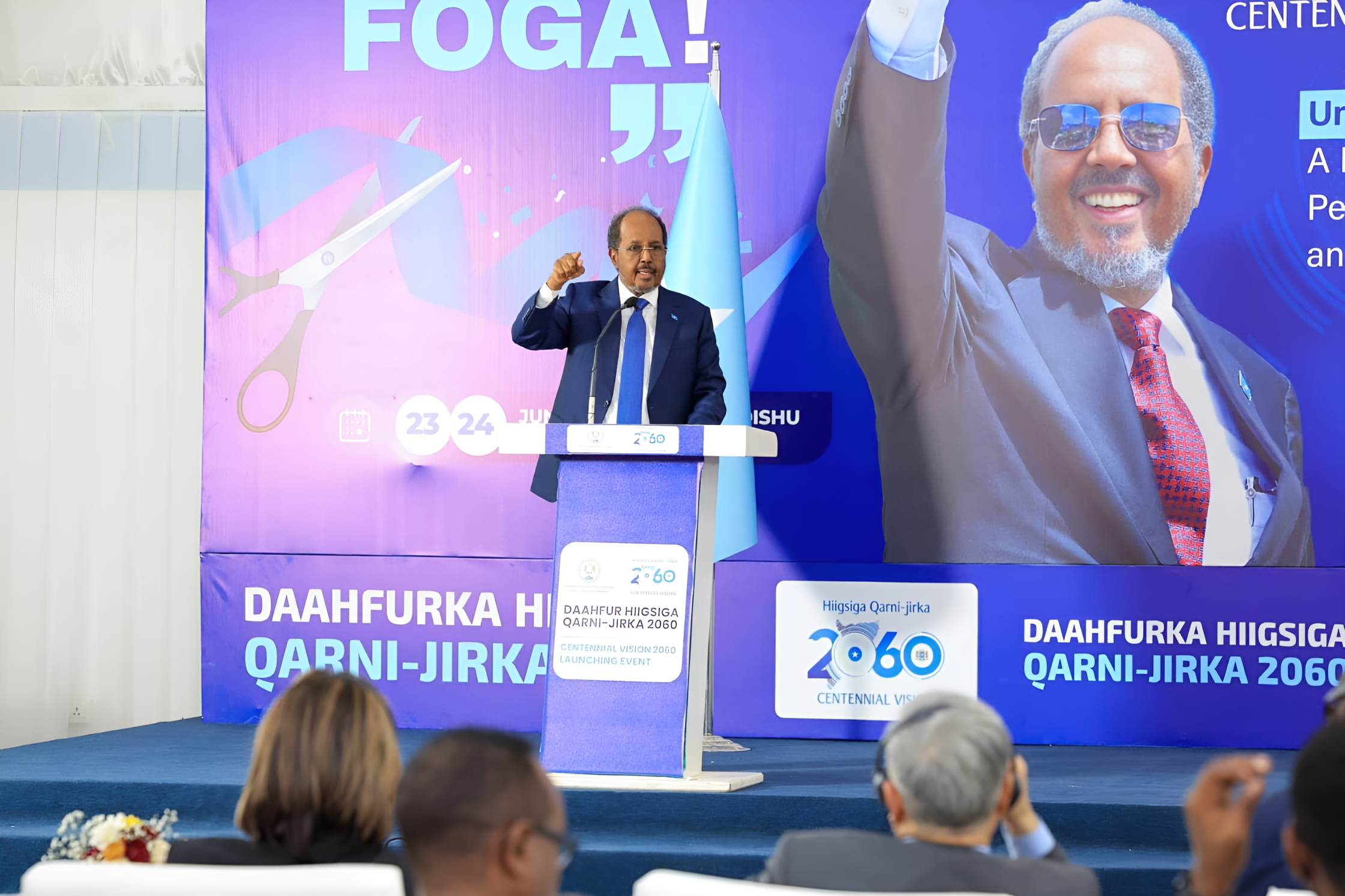
Somalia is heading towards another election showdown, with the government setting May 15, 2027, for the presidential vote despite strong opposition to its electoral reforms and growing fears that the disputed process could worsen instability in the conflict-hit country.
The Election Commission announced on Thursday that parliamentary elections would take place on April 15, followed by the presidential poll a month later, setting the stage for a contest that has already exposed deep divisions between the federal government, opposition groups and regional administrations.
The timetable comes amid questions over President Hassan Sheikh Mohamud’s continued stay in office after his second term was due to end earlier this year. His administration declared a transition period in May, even though it had previously reached an agreement with the opposition on holding elections.
Mohamud has sought to move the country away from an electoral system largely based on clan representation, under which clan elders play a key role in choosing political leaders. However, the proposed shift has met resistance from regional leaders who fear it would concentrate more power in the hands of the federal government.
Opposition questions legitimacy of elections
The government's decision to proceed with the election timetable has drawn criticism from political opponents who argue that the process lacks the broad agreement needed to secure acceptance across Somalia.
In Mogadishu, residents expressed differing opinions about the announcement, with some viewing it as a step towards choosing new leaders while others warned that the lack of consensus could trigger further confrontation.
"Announcing an election schedule through a process driven by one side, and rejected by the opposition, is effectively declaring a new conflict," Omar Said said.
Mohamud took office in 2022 and has maintained that constitutional amendments passed by parliament earlier this year provide a legal basis for extending his presidency by one year. The changes also established a framework for conducting elections under the revised system.
However, opposition parties boycotted the parliamentary vote and have rejected the amendments. Jubaland and Puntland, two influential federal member states, have also opposed the changes, widening the dispute over the country's political future.
Analyst Samira Gaid said the government had yet to secure the political backing necessary to move forward with the planned polls.
"There's no political agreement to hold those elections," analyst Samira Gaid told AFP.
She argued that the administration's support was largely concentrated in Mogadishu and a small number of allied federal member states, raising fears that other regions could become increasingly hostile to the process.
Gaid warned that the situation could result in more "conflict and more confrontation within the remaining federal member states".
"All the processes that the government is starting are leading to further fragmentation," she said.
The concerns have also been echoed by members of the public, who fear that disputes over the election could weaken national institutions and undermine efforts to maintain unity.
University student Fadumo Ali said a contested vote "could undermine governance and national unity".
She called on Mohamud to negotiate with opposition leaders and reach an agreement on the federal election to avoid pushing the country into further turmoil.
Former president Mohamed Abdullahi Farmaajo also challenged the government's approach, warning in a post on X that the unilateral decision was a "dangerous threat to Somalia's statehood and future".
He urged the administration to reach an agreement with all political factions before proceeding with the elections.
Beyond the political dispute, Somalia faces serious security challenges that could complicate efforts to organise the elections.
The Islamist militant group Al-Shabaab continues to control parts of the country and wage an insurgency against the government, while preparations for elections have made little progress outside a limited number of local areas.
The security situation has raised questions about the government's ability to organise a nationwide vote as planned, particularly in areas where armed groups remain active.
Somalia is also uncertain about future funding for the African Union Support and Stabilization Mission in Somalia (AUSSOM), the main force assisting the Somali army in its operations against militants.
The United States initially announced that it would end all funding for the mission by the end of 2026. It later indicated that financial support would continue for an additional year, offering some relief as the country prepares for the elections.
Political tensions have meanwhile spilled into violence, adding to concerns about the stability of the electoral process.
In June, heavy gunfire erupted in Mogadishu between rival political factions ahead of planned protests against Mohamud's political changes.
The government also deployed troops in March to remove Abdiaziz Hassan Mohamed Laftagareen, the head of South West State, from power. Clashes between federal forces and fighters loyal to Laftagareen have occurred intermittently since then, with reports of fresh fighting emerging on Thursday.
The confrontation has become another example of the difficulties facing the government as it attempts to push ahead with a contested election timetable.
Mogadishu resident Muqtar Hussein said the situation in South West State demonstrated the danger of holding elections without agreement among the country's political leaders.
He said the conflict "illustrates the risks of proceeding with disputed elections without political consensus".
Despite the concerns, some residents support the government's decision to proceed, arguing that the country should not be prevented from holding elections because of disagreements among political leaders.
Greengrocer Mohamed Hassan welcomed the announcement and said candidates willing to participate should be allowed to compete.
"I see this as a victory for the Somali people... those willing to participate should proceed, and whoever wins should lead the country."
The election dates now put Somalia on course for a crucial political contest, but opposition to the constitutional changes, divisions between federal and regional authorities and continuing insecurity could determine whether the country proceeds with the polls as scheduled.