Business
CBK licenses 32 more digital lenders, bringing total to 227
The central bank noted that it has received more than 800 applications since March 2022, reflecting strong interest in Kenya’s digital lending space.

Hard truths. Bold Insights. Real talk.
The central bank noted that it has received more than 800 applications since March 2022, reflecting strong interest in Kenya’s digital lending space.

CBK confirmed that the transaction received regulatory approval on March 9, 2026, under Section 13 (4) of the Banking Act.
Kenya’s inflation remained under control in March, coming in at 4.4 percent. This is below the midpoint of the official target band of 5±2.5 percent. The MPC linked the lower inflation to reduced prices of key processed foods, including sugar and maize flour, which helped ease pressure on households.

Data shows sharp increases in vegetable prices alongside modest changes in fuel and electricity costs, highlighting mixed price movements across essential goods in the Consumer Price Index basket.
Public participation will run through April 10, 2026, with the Treasury encouraging submissions by mail, hand delivery, or email to the Principal Secretary.
The Central Bank of Kenya reported that gross non-performing loans dropped to Sh674.3 billion from Sh720.4 billion in September, a 6.4 percent reduction over three months.

CBK has outlined the bidding terms for interested investors. Non-competitive bids can be submitted from a minimum of Sh50,000 up to Sh50 million. Competitive bids, on the other hand, require a minimum of Sh2 million per Central Depository and Settlement account for each tenor.
The survey, conducted in January among more than 1,000 chief executives spanning sectors such as tourism, real estate, information and communication technology, professional services, agriculture, manufacturing, and trade, shows that companies providing professional services were most affected.
Monthly data indicate that September 2025 registered the strongest expansion, with Sh79.3 billion advanced during the month. However, January, February and August stood out as periods when absolute credit flows dipped into negative territory.
The Central Bank of Kenya reported on February 13 that the January figure was down 3.8 per cent from Sh55.1 billion recorded in January 2025, reflecting a shortfall of roughly Sh2 billion.

Existing Kenya shilling variable-rate loans that are already based on CBR plus a premium will continue under the same pricing structure, with the CBR component adjusting from 9.00% to 8.75% 30 days after the notice.
Kenya’s overall inflation declined to 4.4 per cent in January 2026 from 4.5 per cent in December 2025, remaining below the midpoint of the target range of 5±2.5 per cent.

The County Public Accounts Committee (CPAC) directed Kwale Governor Fatuma Achani to take administrative action against county officers who failed to submit critical documents to the Office of the Auditor-General during the 2024/25 audit cycle.
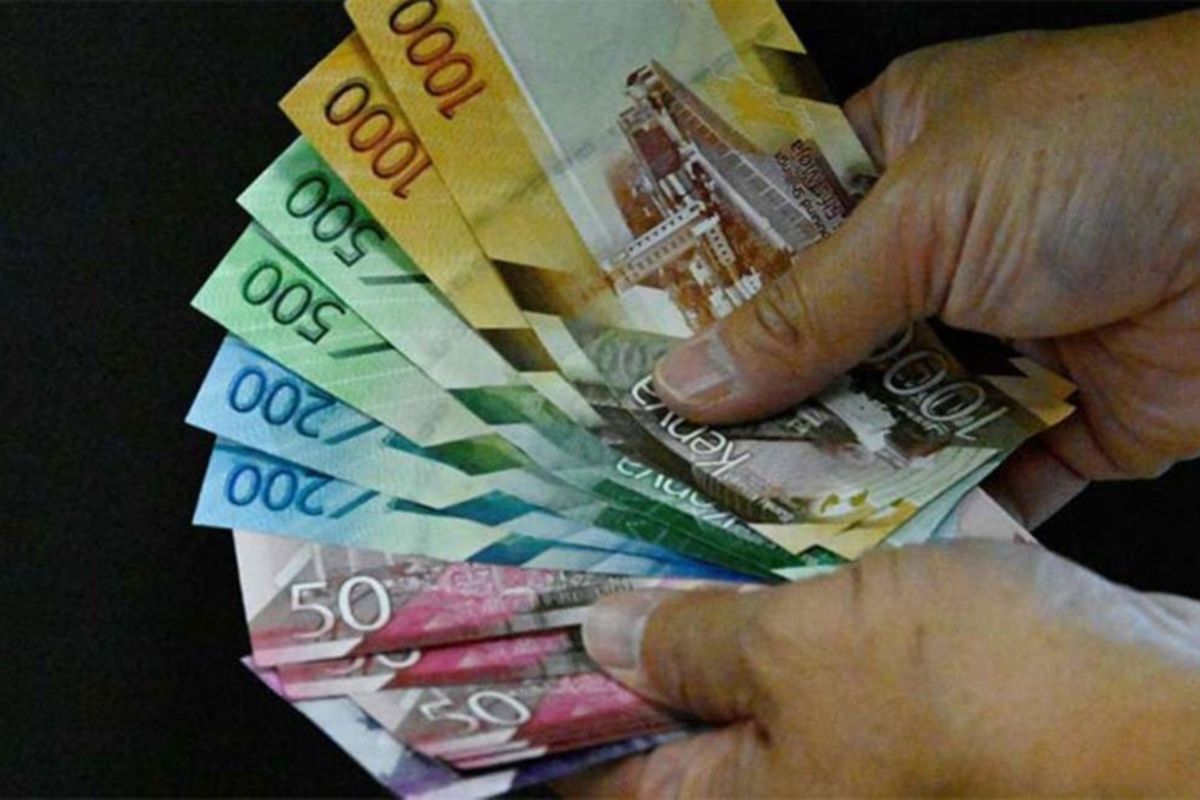
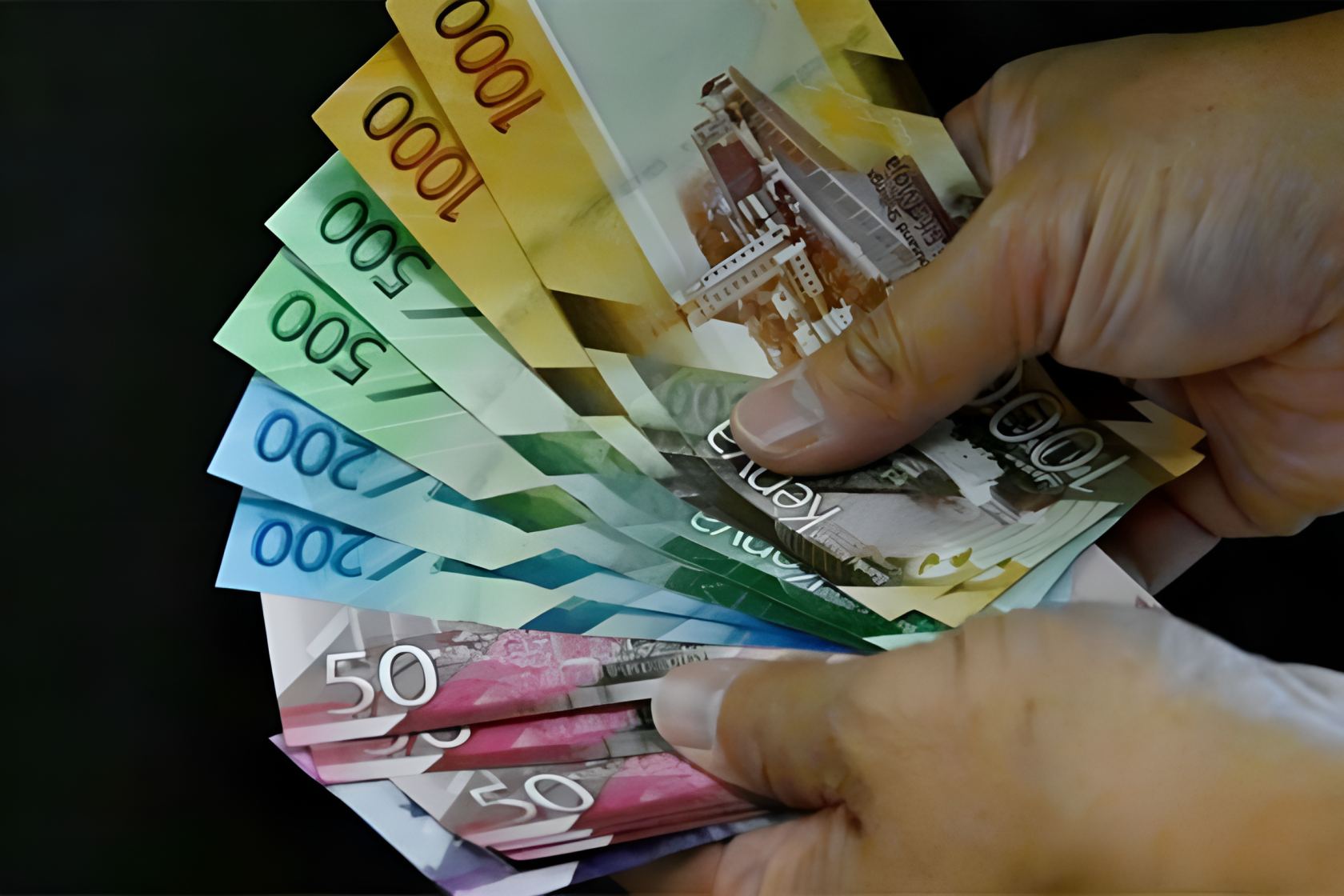
While the Bank clarified that it does not object to the use of cash as a gift, it stressed that currency should not be subjected to any action that alters, damages or defaces it.

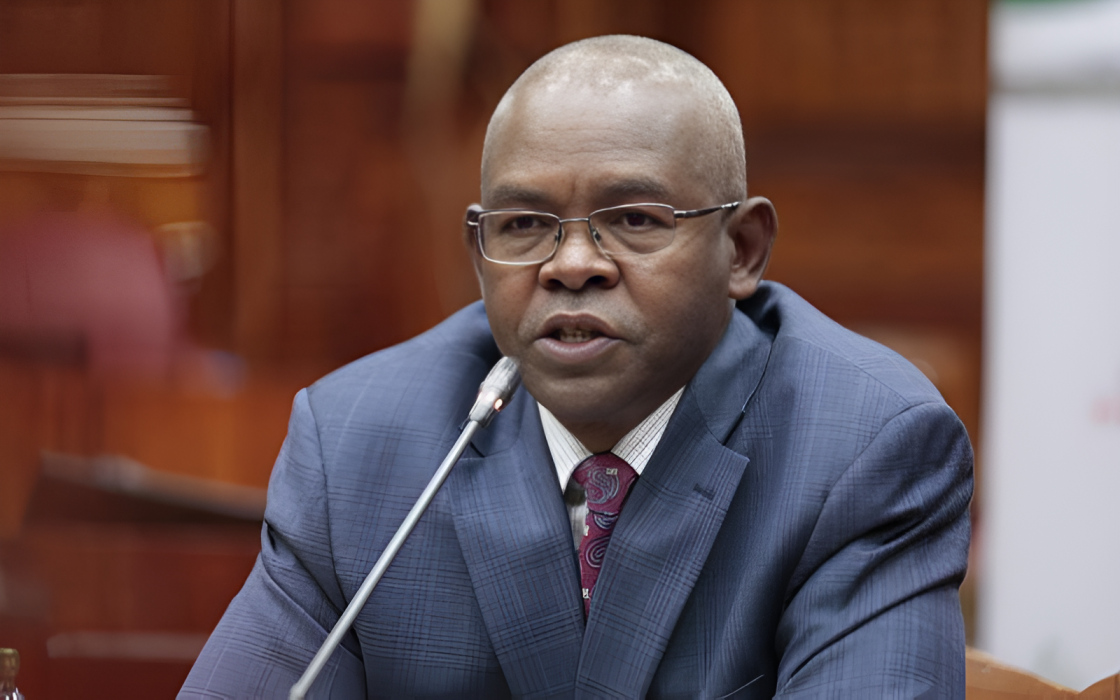
CBK Governor Kamau Thugge told the National Assembly’s joint committee on Finance and National Planning and Public Debt and Privatisation that the sale of a 15 percent government stake to South Africa’s Vodacom Group is unlikely to affect M-Pesa, the mobile money service holding more than Sh250 billion in customer funds.
Data from the Central Bank of Kenya (CBK) shows that cash managed by agents dropped to Sh7.514 trillion between January and November last year, from Sh7.944 trillion during the same period in 2024.

Bids for the coins will close on January 22, 2026, following a three-year coin minting tender that closed last month, signalling the regulator’s intent to introduce fresh coins. Like most central banks, the CBK routinely withdraws coins and banknotes that have deteriorated over time.
The bank noted that each application underwent rigorous review, focusing on business models, consumer protection measures, and the fitness and propriety of proposed shareholders, directors, and management.

The change, which took effect on December 1, 2025, marks a major shift in how loans will now be priced under the bank’s updated credit framework.
The regulator confirmed that lenders have settled on varying benchmarks as they roll out the revised risk-based pricing model, meaning customers will now rely on different base rates depending on the bank.
A deficit shows that outflows are higher than inflows, meaning the economy must rely on outside funding to maintain stability. Kenya’s goods trade balance remains the main source of the gap due to the country’s reliance on imported inputs, machinery and consumer products.
The Central Bank of Kenya has opened a Sh20 billion voluntary switch auction, allowing FXD1/2016/010 holders to move into FXD1/2022/015, aiming to improve market efficiency and portfolio management.
Presenting the November 2025 Monetary Policy Committee (MPC) update on Wednesday, Thugge said improved global conditions and recent policy moves at home were helping steady the economic outlook.
The bank also noted that international oil prices have softened due to increased production and weaker global demand, though volatility persists amid ongoing uncertainties.
According to the CBK data presented by Governor Kamau Thugge, the national debt stood at Sh8.7 trillion during the 2021/22 financial year, coinciding with President Ruto’s first year in office.
The announcement on Thursday says the offer period runs from Wednesday, November 27, 2025, to Wednesday, December 3, 2025, with the auction scheduled for December 3 and settlement on December 8.

The initial tranche is set at Sh15 billion, with a Sh5 billion greenshoe option to meet additional investor demand, the firm announced Tuesday.
All new local currency variable-rate loans will follow the new framework, with rates determined by the Common Reference Rate plus a customer-specific risk premium. Existing loans will transition by February 28, 2026.
The 15-year bond, now with 8.7 years remaining until maturity, is listed under ISIN KE6000001328 and will mature on July 10, 2034. The 25-year bond, carrying ISIN KE8000005093, has 21.9 years to maturity and will expire on September 23, 2047.
Operating expenses dropped 13 percent as the bank’s lower loan provisions cushioned the impact of falling interest earnings. The decrease in provisions came even as the total stock of non-performing loans rose 3.8 percent to Sh44.3 billion, amid a tough economic environment where borrowers, both individuals and companies, face repayment challenges.