Kenya Power warned as Sh5.67 billion in county arrears mounts
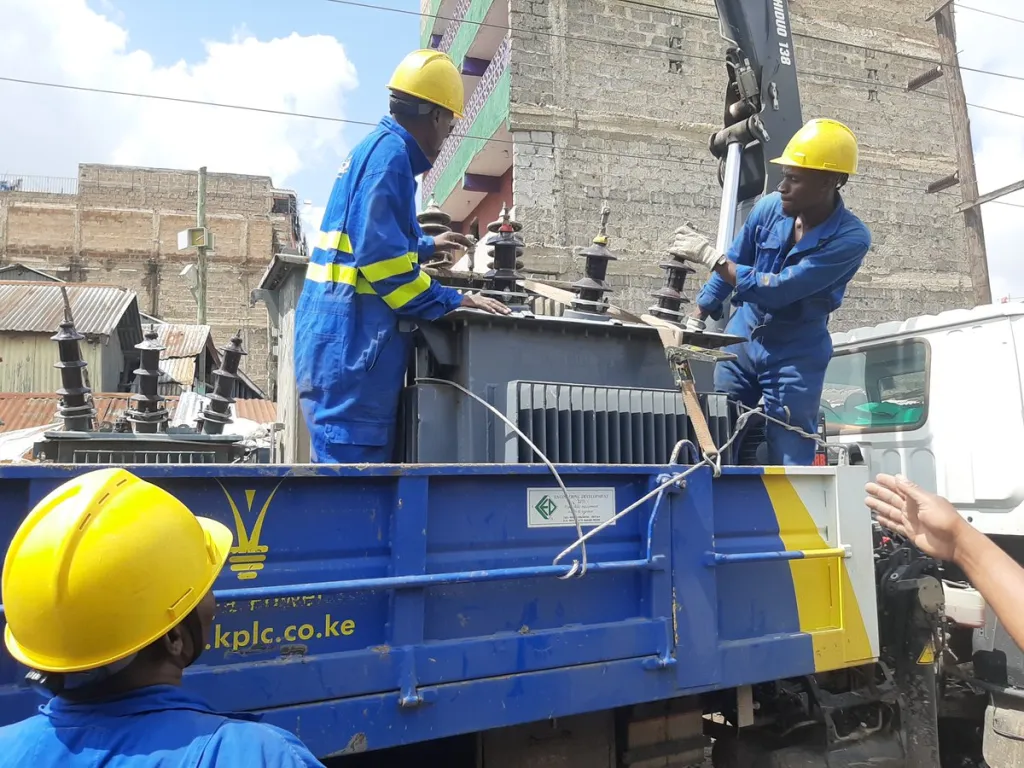
Kenya Power’s finances show the impact of the arrears. Electricity revenue fell by five percent to Sh219.28 billion, while net profit declined by 18.7 percent to Sh24.47 billion.
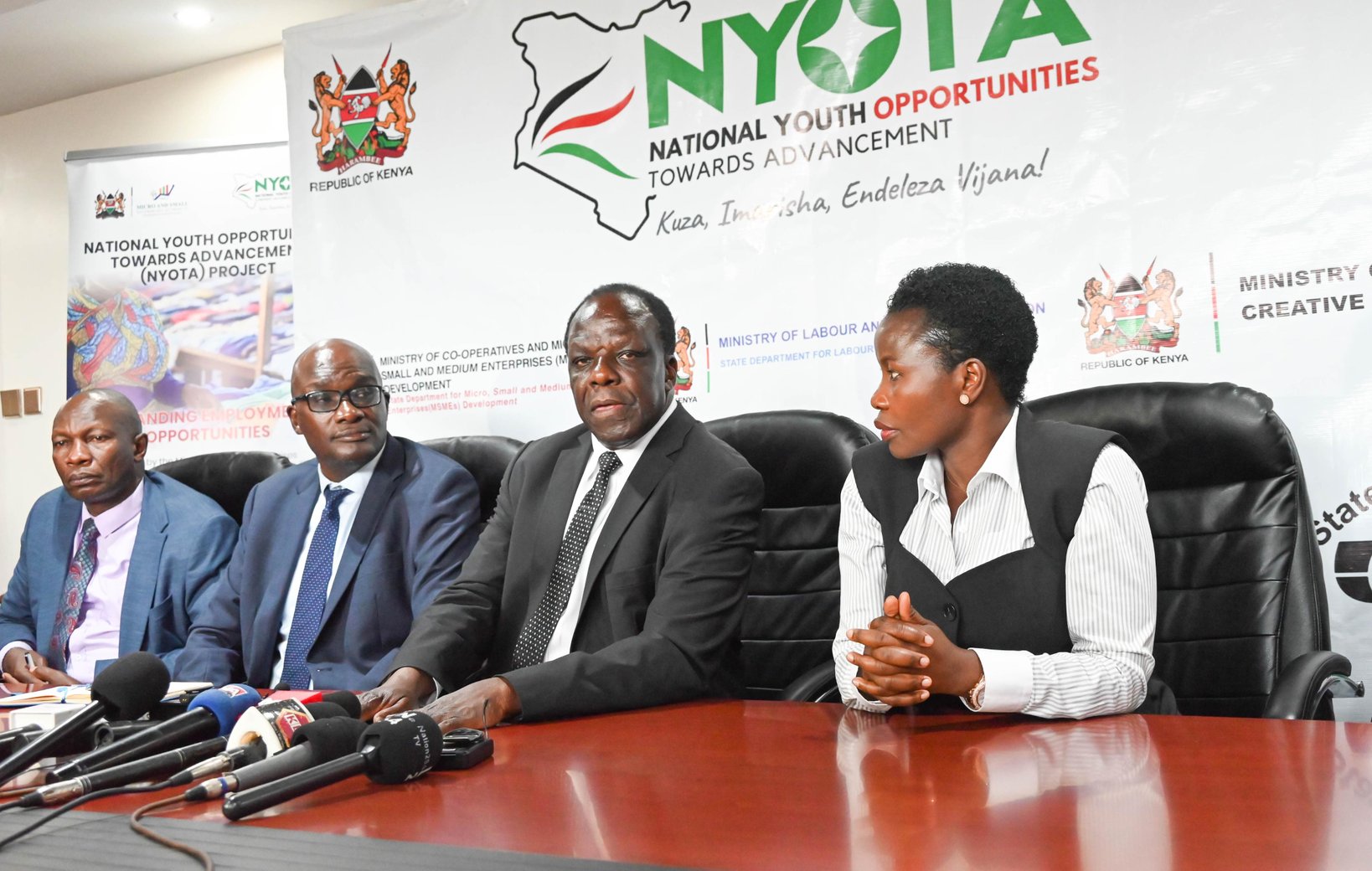
The training announcement comes a day after NYOTA warned the public about a fake mobile application falsely claiming ties to the project. In a notice on November 12, the organization urged youth to exercise caution.
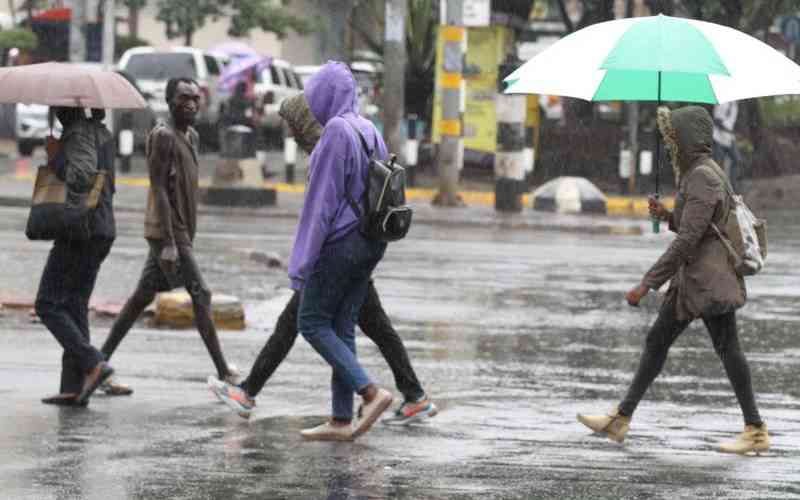
The report shows that the Highlands on both sides of the Rift Valley, the Lake Victoria Basin, the Rift Valley belt, coastal zones, northeastern counties, and the southeastern lowlands will continue to experience showers during the forecast period. These rains are expected at various times of the day in different locations.
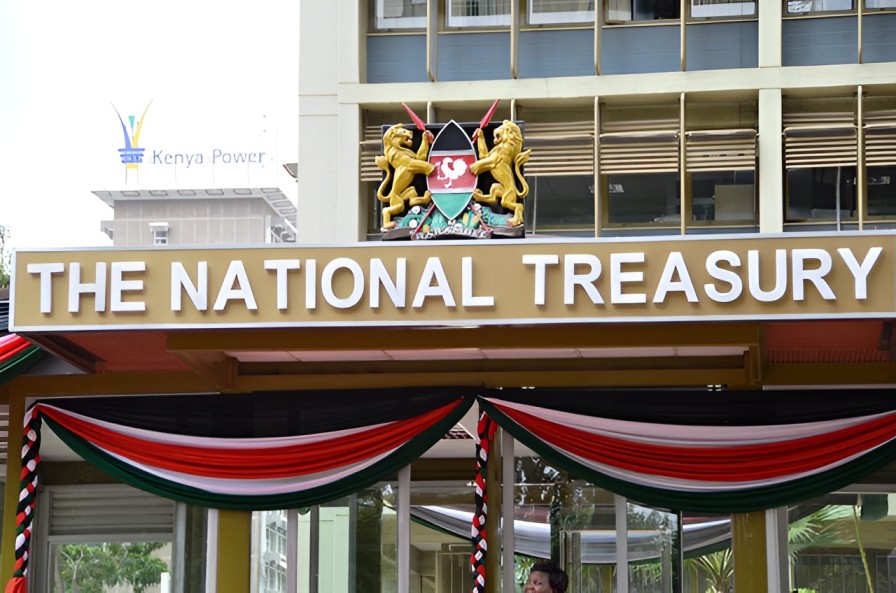
The Treasury report underscores that such dependency undermines accountability and financial efficiency, making it difficult for counties to achieve self-sufficiency through own-source revenue. Despite setting ambitious collection targets, many counties continue to fall short, relying heavily on national government transfers to fund their operations.
Tharaka-Nithi, Elgeyo Marakwet, Isiolo, Lamu, and Taita Taveta are among the counties that received the least equitable share of national revenue.
Taita Taveta and Elgeyo Marakwet each spend 51%, while Nairobi allocates 50.8%. Homa Bay (50%) and Lamu (48%) close the top nine list.
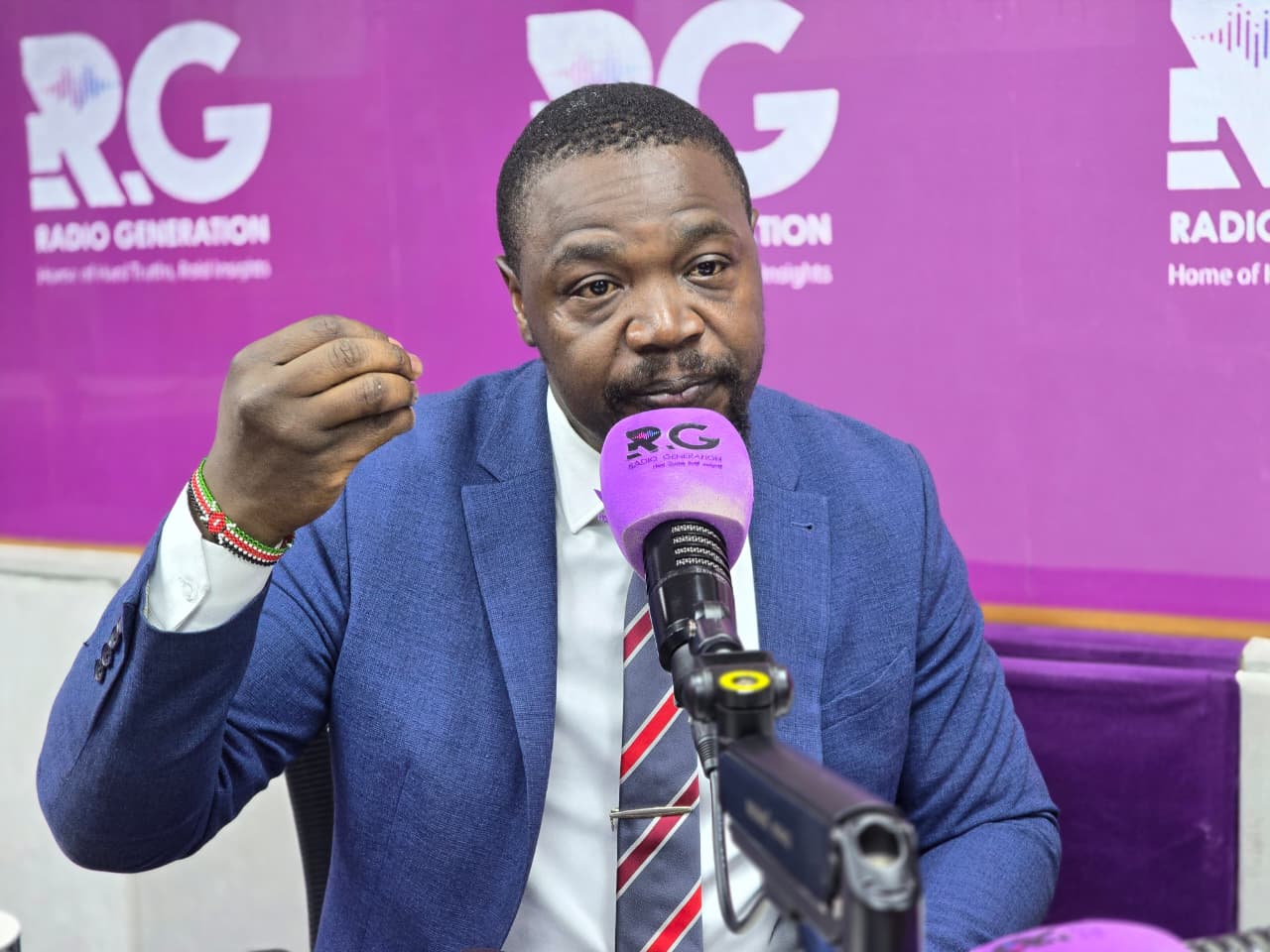
KMPDU Secretary General Davji Atellah noted that while the national government has implemented many reforms, counties continue to lag behind.
In a communique after its 28th ordinary session, chaired by Deputy President Kithure Kindiki at his Karen residence, IBEC approved the Budget Review and Outlook Paper for the 2025/26 financial year and directed the National Treasury to submit it to Parliament.
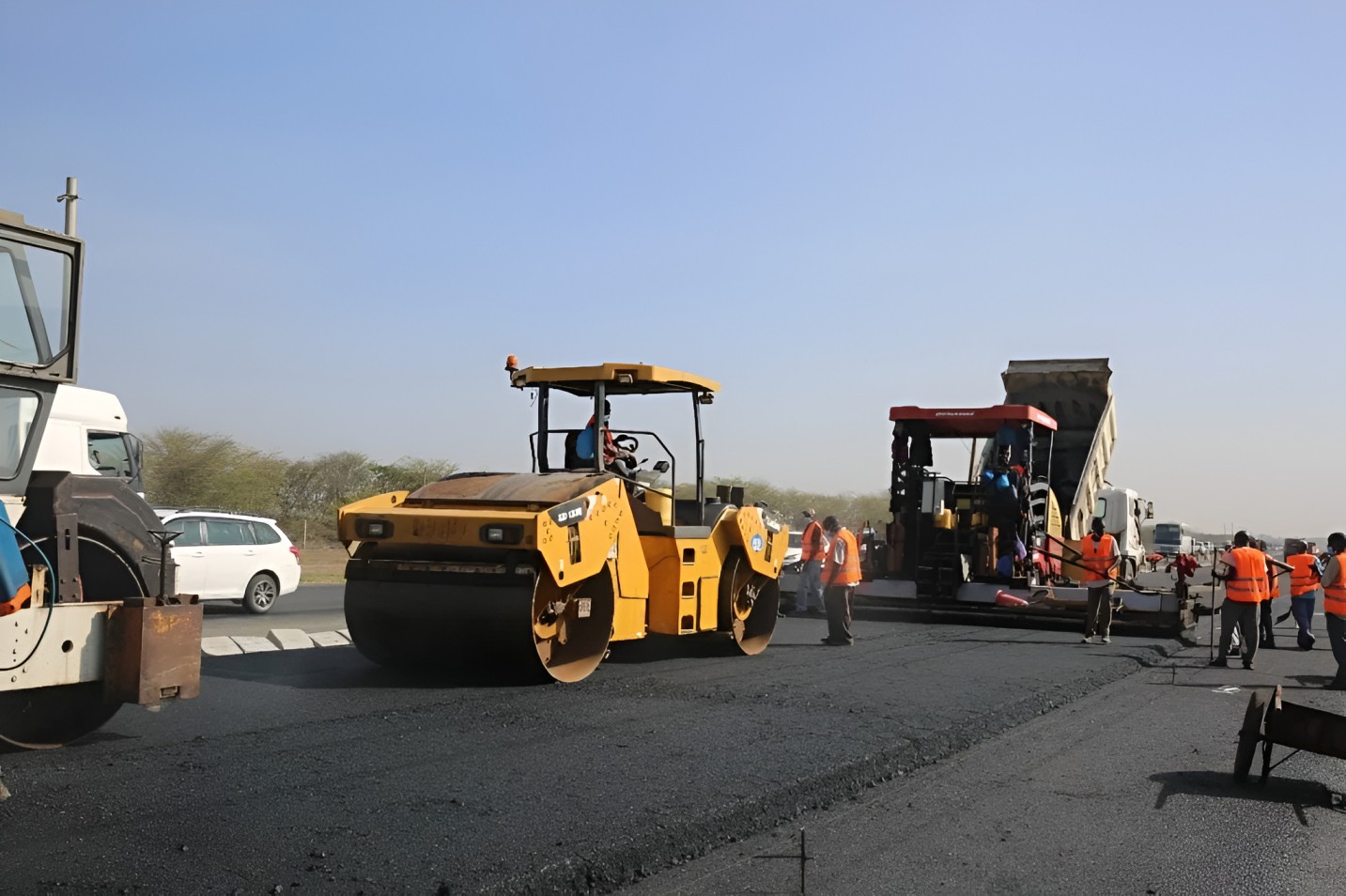
Counties manage over 81 per cent of Kenya’s road network, spanning more than 121,000 kilometres, yet the levy collected on every litre of fuel would barely support maintenance.
The report covering the year ending June 30, 2025, shows that fees from hospitals—collected through out-of-pocket payments or claims reimbursement—make up more than half of local revenue in most counties.
The latest Controller of Budget report shows that hospitals collected Sh24.59 billion in Facility Improvement Financing (FIF), surpassing the annual forecast of Sh20.77 billion.
Within Africa, the top destinations were Tanzania, Uganda, and South Africa, while officials also travelled to Dubai, Singapore, the United States, the Netherlands, France, and Japan.
Siaya collected only 47 per cent of its target, Kajiado 55 per cent, Machakos 56 per cent, and Isiolo 58 per cent. Others that underperformed included Taita Taveta (64 per cent), Bungoma (65 per cent), Kisumu (65 per cent), Kakamega (65 per cent) and Nairobi (66 per cent).
A report by the Controller of Budget for the 2024/25 financial year shows that counties spent Sh220.64 billion on employee compensation, amounting to 64 per cent of their recurrent expenditure, far above the legal threshold.
The latest findings by Controller of Budget Margaret Nyakang’o show that as of June 30, 2025, counties owed a total of Sh176.90 billion in pending bills.
As the wage burden soars, development expenditure has fallen to worrying lows. Counties spent Sh123.76 billion on development, only 26 per cent of total expenditure, with 23 counties failing to meet the minimum 30 per cent legal threshold.
The senators also instructed the Controller of Budget to provide a full record of empowerment funds in all counties, including the amounts disbursed, loans issued, and recoveries made.
The ministry disclosed that 19 counties submitted road work plans worth Sh3.35 billion, nearly equal to the entire national allocation, exposing the wide gap between demand and available funds.
The payout, commonly known as the second payment, is the highlight of the tea calendar and a lifeline for growers supplying green leaf to 77 factories under KTDA’s management.
CS Mbadi disclosed that 30 counties have already joined the platform, while another 10 are awaiting approval from the Controller of Budget.
Speaking during the devolution conference in Homa Bay, Mbadi said the arrears had risen sharply from Sh23.3 billion in recent years to over Sh103 billion, describing the situation as deeply worrying.
He explained the need for robust county executives working under the scrutiny of equally empowered county assemblies
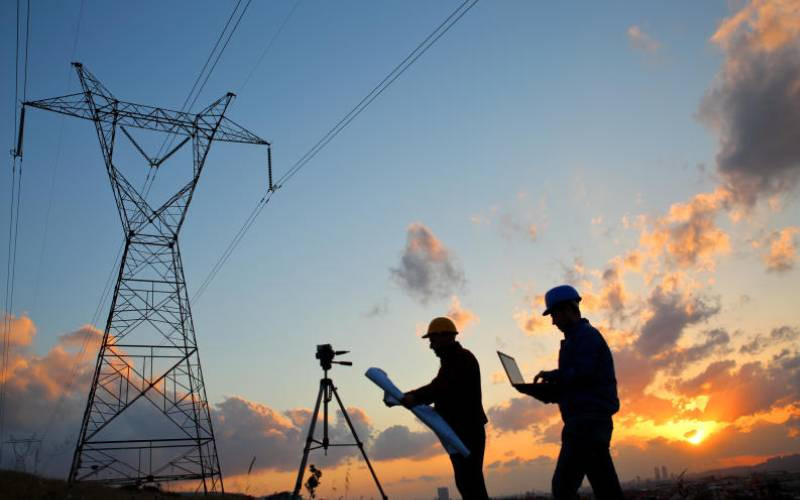
The funds form part of a broader Sh4.2 billion plan to restore rural electrification and support maintenance of off-grid power systems.
The transfer comes after repeated criticism of the Inter-Governmental Relations Technical Committee (IGRTC) for slow action.
The delays put these counties at risk of missing out on funds recently released by the National Treasury.
According to the report, counties collectively received Sh11.12 billion for bursaries and scholarships but spent only Sh9.8 billion, leaving an unspent balance of Sh1.3 billion.
The Kenya Roads (Amendment) Bill, 2025, sponsored by Homa Bay Town MP Peter Kaluma, seeks to amend the Kenya Roads Board Act, Cap 408A, to give counties a direct share of the fund.
Nairobi County, led by Governor Johnson Sakaja, accounted for Sh3.3 billion in irregularities, while Kericho County, under Governor Eric Mutai, recorded Sh1.9 billion.
A report by Auditor General Nancy Gathungu shows the counties also lack logbooks for various machinery and vehicles in their possession, including tractors, tippers, rollers and motorcycles.
CS Mbadi told the Senate County Public Accounts Committee that the new arrangement will use the integrated financial management system to channel deductions to bodies such as the Kenya Revenue Authority, SACCOs and pension schemes before the funds reach counties.