
News
Kenya’s fertility rate drops to 3.1 children per woman, KNBS survey shows
The proportion of teenage girls aged 15–19 who have ever been pregnant has also fallen, from 14.8 per cent to 11.9 per cent over the same period.

Hard truths. Bold Insights. Real talk.
The proportion of teenage girls aged 15–19 who have ever been pregnant has also fallen, from 14.8 per cent to 11.9 per cent over the same period.
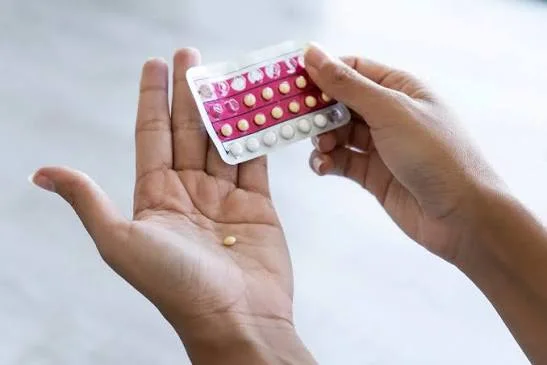
Among the modern methods, implants and injectables are the most widely used, accounting for 23 per cent and 19 per cent of contraceptive use, respectively. Pills are used by seven per cent of married women, while intrauterine devices (IUDs) account for four per cent. Male condoms remain among the least used methods, at one per cent.

Dr Koigi said emergency contraceptive pills, commonly referred to as the morning-after pill, are intended for situations where contraception was not used or has failed and should not replace regular family-planning methods

Speaking on Radio Generation on Thursday, Dr. Koigi said the decline in ovarian reserve means “the number and the quality of eggs starts going down”, reducing the chances of conception and making early assessment important.

World Contraception Day, MSI Reproductive Choices, Reproductive health, Family planning, Contraceptives, Health policy, Kenya health
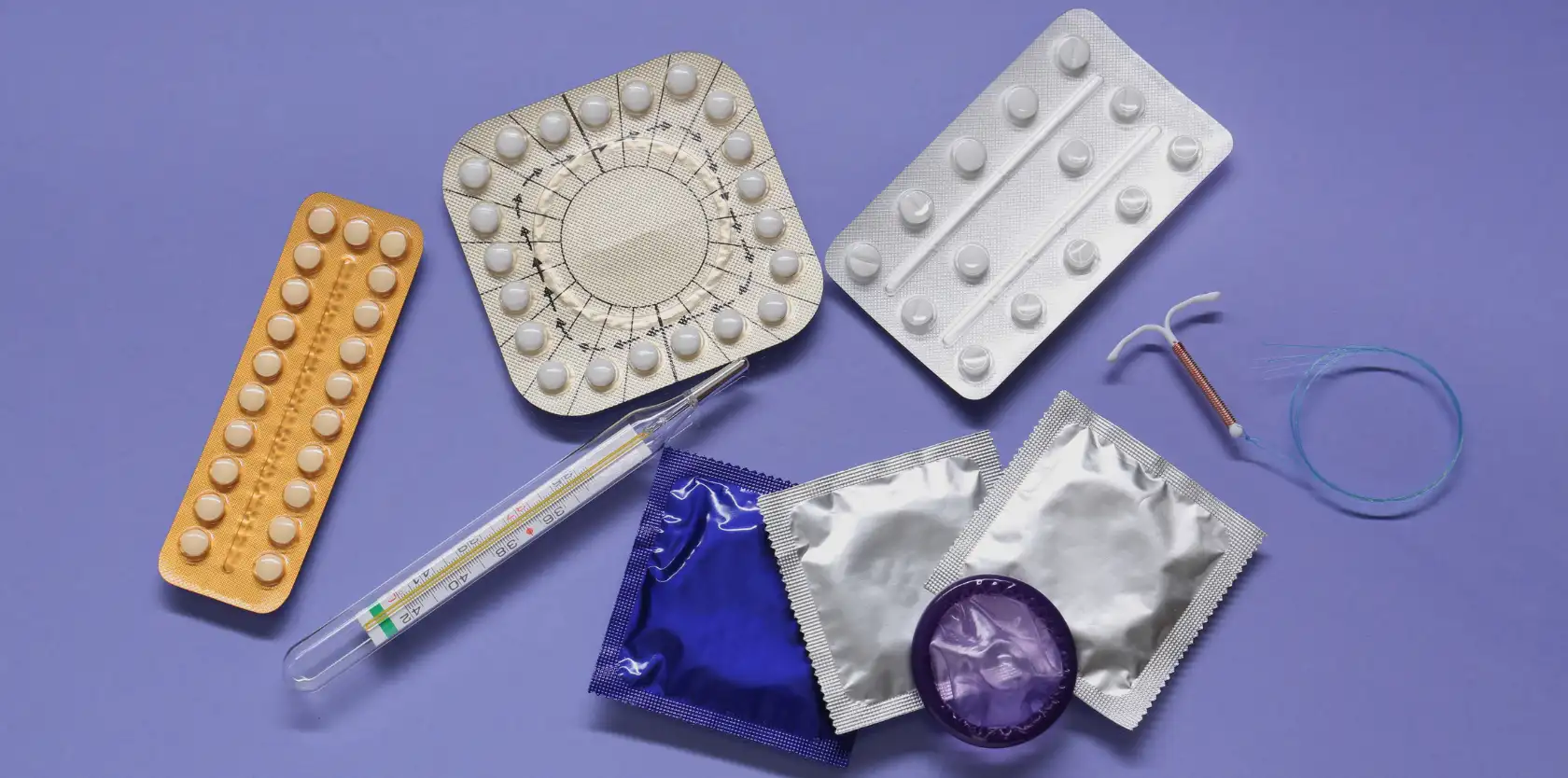
The methods aim either to lower sperm production, prevent sperm from moving or fertilising an egg, or stop sperm from being released during ejaculation.

The announcement adds to billions of shillings that the government has allocated to the health sector since President Ruto took office in September 2022

The Majority Leader also recalled former President Mwai Kibaki’s remarks in 2008 on the need for Kenya to think about population growth and how the country would prepare for it.

According to the findings, 63 per cent of women currently use a family planning method, with 57 per cent relying on modern options.
