News
49 dead, 2,624 displaced following devastating floods across Kenya – Police say
Authorities also warned that the heavy rains could persist and urged the public to remain cautious and follow official safety advisories.

Hard truths. Bold Insights. Real talk.
Authorities also warned that the heavy rains could persist and urged the public to remain cautious and follow official safety advisories.

In a customer notice issued following the overnight downpour, the utility said floodwaters destroyed sections of its infrastructure, affecting water distribution to multiple residential areas across the city.

The remarks come amid growing concerns over flooding in the capital, which has frequently been blamed on poor drainage systems, blocked waterways and rapid urban development that has encroached on natural drainage paths.

The heavy rains over the past few days have left at least 25 people dead and causing widespread destruction across multiple counties.
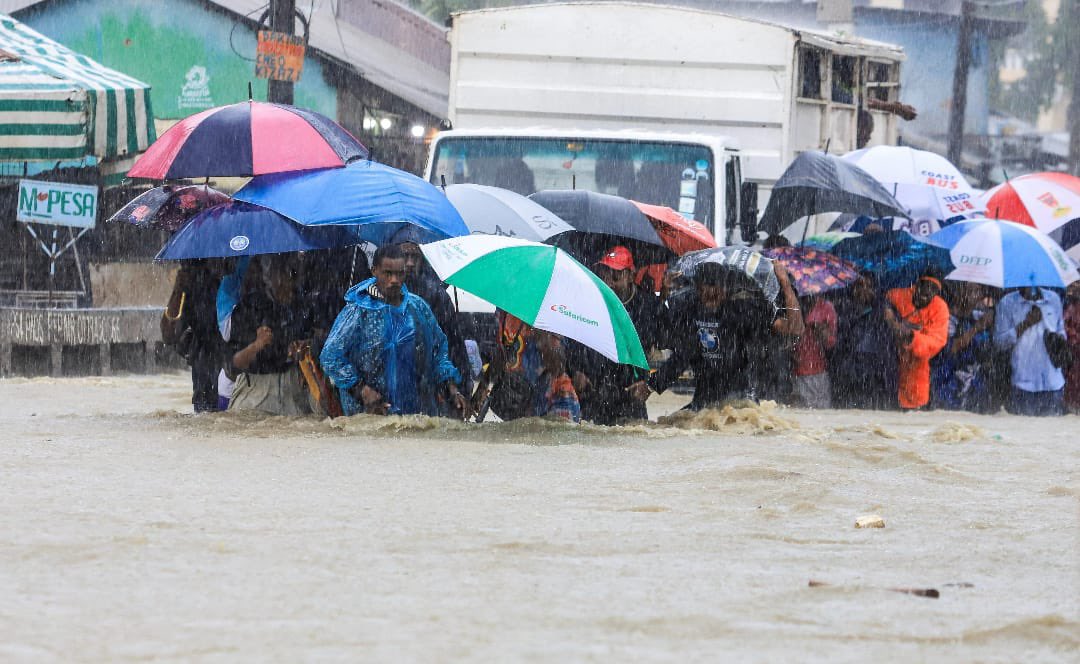
A multi-agency emergency response team has been deployed to assist with rescue and relief operations. Led by the Ministry of Interior and National Administration and working with the Kenya Defence Forces and other agencies, the team is relocating residents to safer areas and providing necessary support.
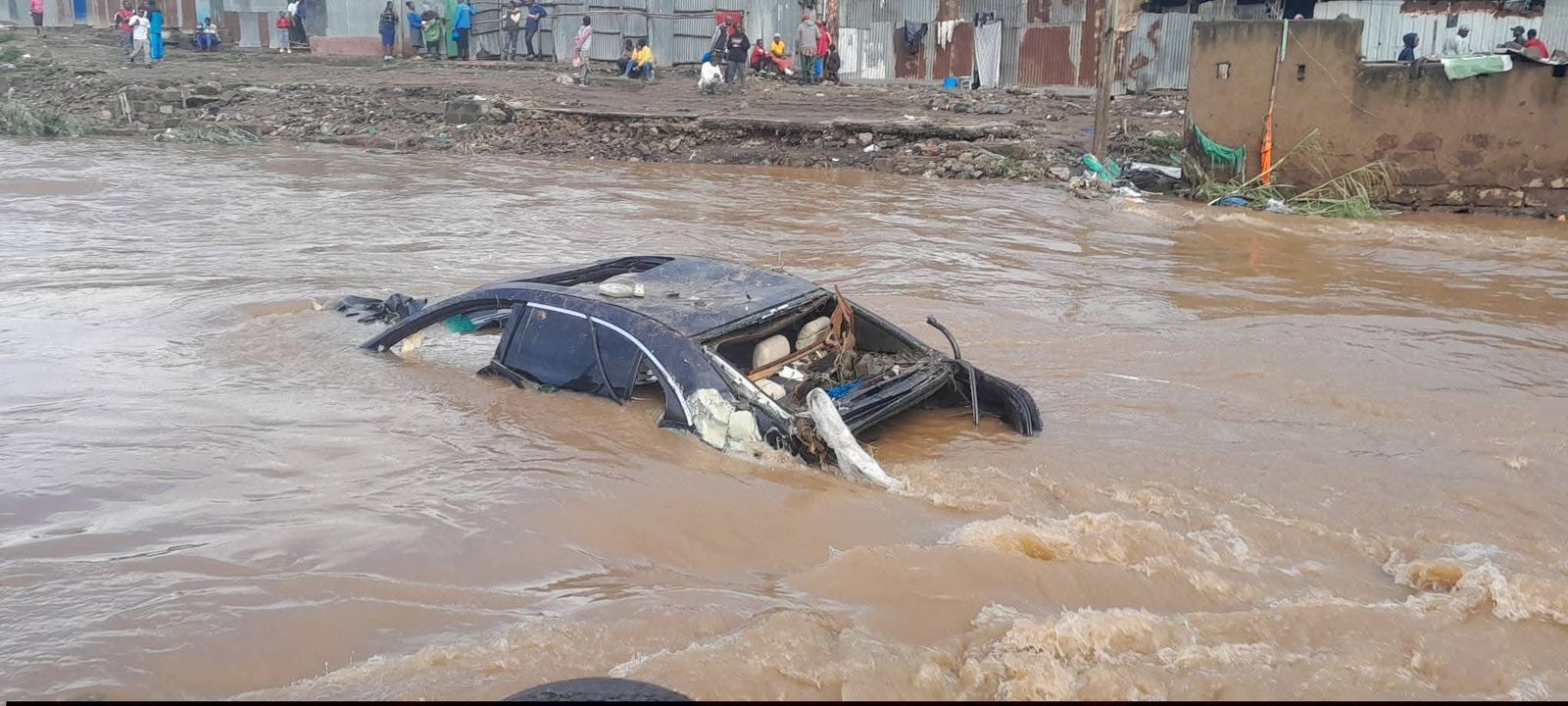
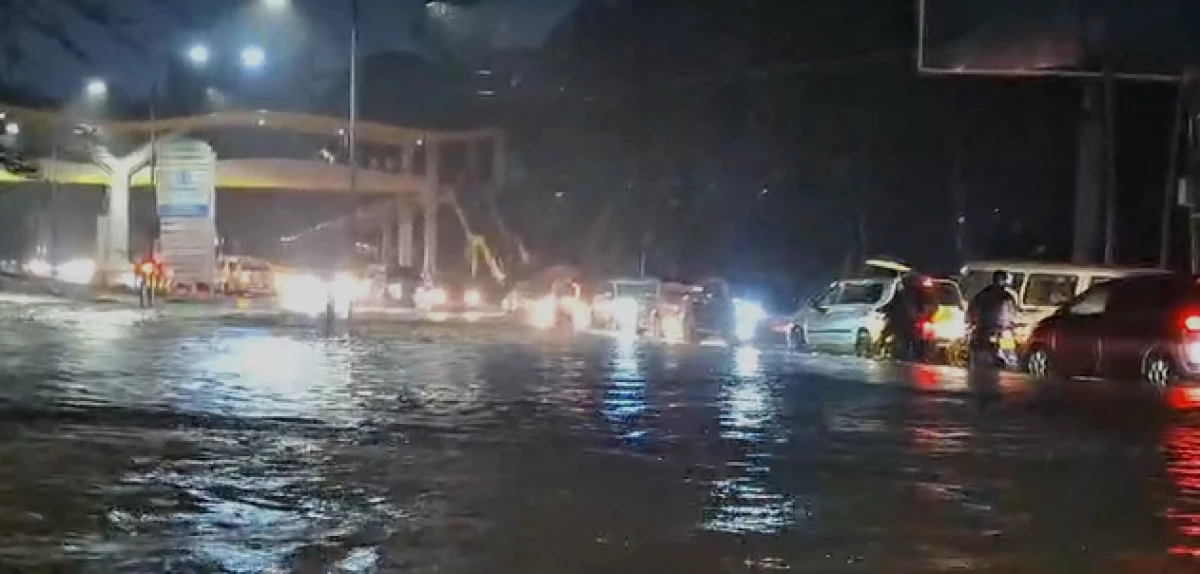
Police say the heavy rainfall, combined with inadequate drainage in several parts of the capital, has resulted in road closures, property damage, and displacement of residents.

The senator also called for a thorough review of Nairobi’s drainage systems, warning that the city cannot continue facing repeated flood disasters.
According to Central Police Commander Philemon Nyakombo, four of the victims drowned after being swept away by floodwaters in different parts of the city. Another person died after coming into contact with electricity during the floods.
Motorists using Uhuru Highway faced some of the most difficult conditions, with dramatic scenes showing vehicles almost disappearing in floodwaters that spread across parts of the busy road.
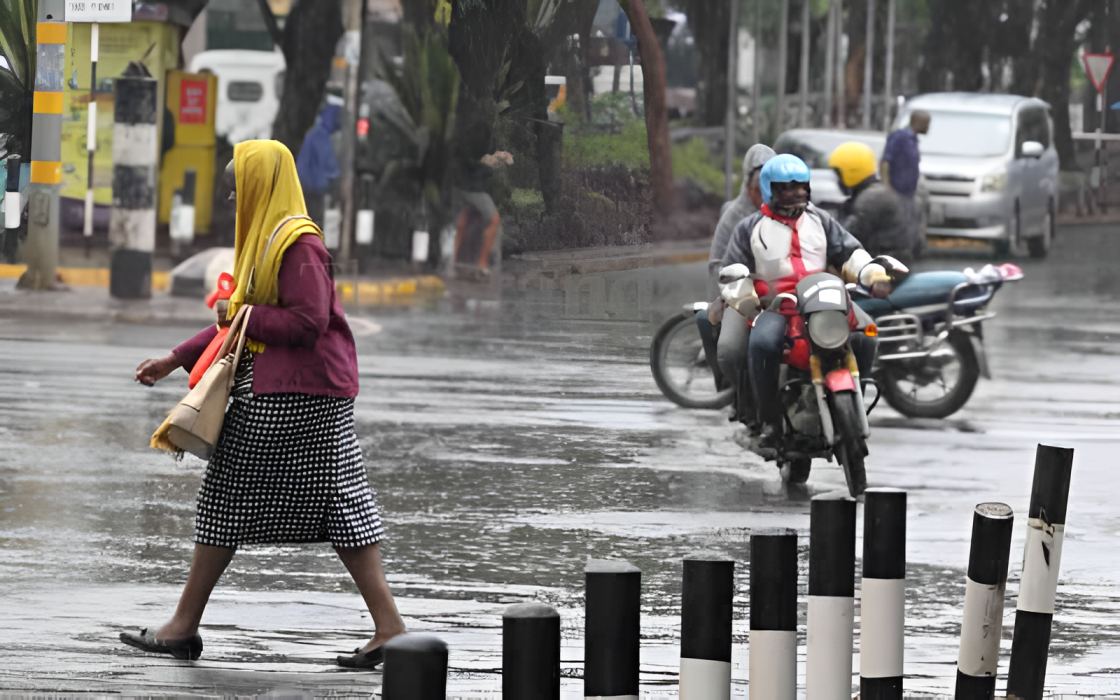
Anthony Muchiri, Emergency Response Director at the Kenya Red Cross, confirmed the fatalities and the number of displaced families during an interview on March 5, 2026.

According to the department, rainfall above 20mm per day will persist over the Lake Victoria Basin and the Highlands West of the Rift Valley until March 3.

High-risk counties include Migori, Nyamira, Bungoma, Kakamega, Embu, Murang’a, Nyeri, Tharaka-Nithi, Kisii, Narok, Kajiado, Makueni, Machakos, Nairobi, Kericho, Bomet, Taita-Taveta, Kitui, Kwale, Mombasa, southern Tana River, and parts of Kilifi.

In one of the posts, Saidani sarcastically called Saied the “supreme commander of sanitation and rainwater drainage” and accused him of “taking up the hobby of taking photos with the poor and destitute” while touring damaged neighborhoods. The comments quickly drew attention online and led to his arrest.
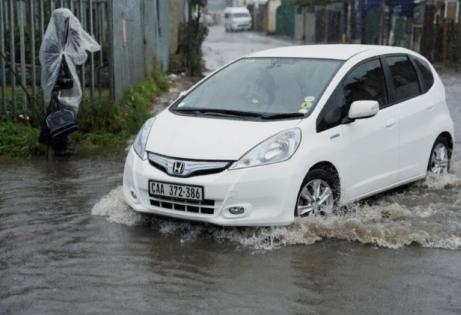
The torrential rains have destroyed thousands of homes, with some structures completely washed away. Among the victims is a five-year-old boy from Giyani in Limpopo. President Cyril Ramaphosa visited the family to express his condolences and assess the damage in the region.
The South African Weather Service has raised its highest alert for ongoing downpours, while Mozambique is also preparing for flooding that threatens homes and roads.

The Meteorological Department has issued an advisory warning of widespread showers across both western and eastern parts of the country. Flood-prone zones, low-lying areas, and regions with saturated soils are at increased risk of flooding.

Scenes of destruction were reported across the city as fast-moving water swept through neighbourhoods, especially in the old city centre, where at least 70 homes were flooded.
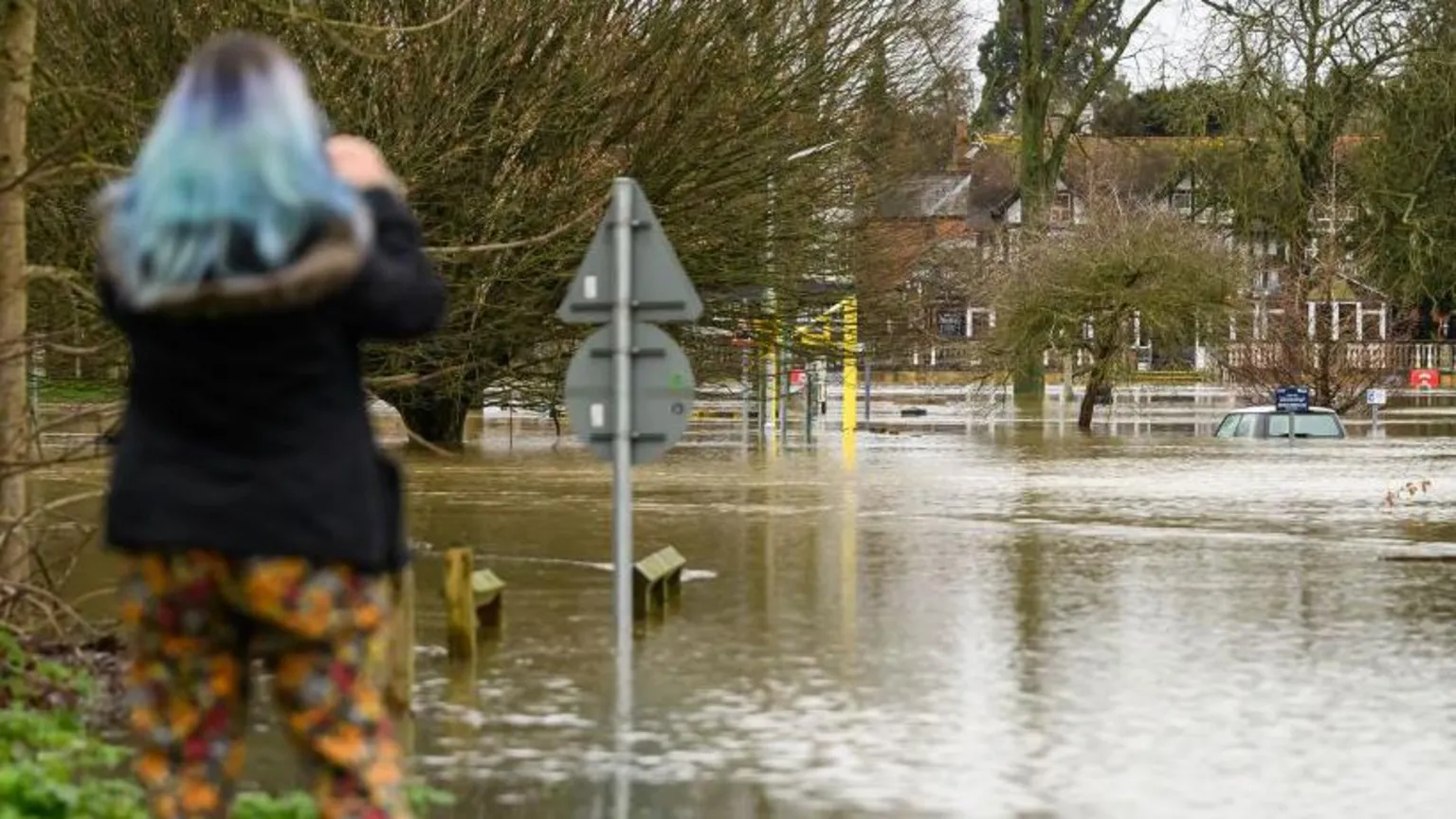
Among the defences, 6,498 were considered "high consequence," meaning that their failure could have a severe impact on communities. Overall, around 8,500 structures were not functioning as intended at the start of winter. While the Department for the Environment, Farming and Rural Affairs says investments since 2024 have strengthened the network, the condition of defences varies greatly across regions.

Rainfall in some areas could reach 250–300 mm over the next few days, raising concerns about flash floods and landslides. The storm is associated with a DANA, or Depresión Aislada en Niveles Altos, which describes a pocket of cold air at high altitudes that becomes detached from the main jet stream.

Save the Children noted that entire communities have already lost farmland, homes, livelihoods, and access to schools and medical facilities. Rising waters have displaced 379,000 people, leaving many without basic necessities. The charity also warned that waterborne diseases and snake bites are escalating public health concerns, particularly among children and vulnerable groups.

Along the Coast, widespread showers are forecast across Kwale, Mombasa, Kilifi, and Tana River. Some areas, especially southern Kwale and parts of Kilifi, could exceed 100mm, creating an elevated risk of flooding in poorly drained and low-lying areas.

The rising waters have turned an area once known for education, fishing, and tourism into a flood zone, where residents now live side by side with hippos and crocodiles

As of Sunday morning, one person had been rescued and search and rescue operations for the missing are ongoing
Residents in the affected areas were cautioned to prepare for flash floods, poor visibility, and related risks.

More than 80,000 people have been moved from high-risk areas in Beijing, and over 130 villages have reported power loss and blocked access routes.

Texas Lieutenant Governor Dan Patrick confirmed that 13 fatalities had been recorded and more people were still missing.