
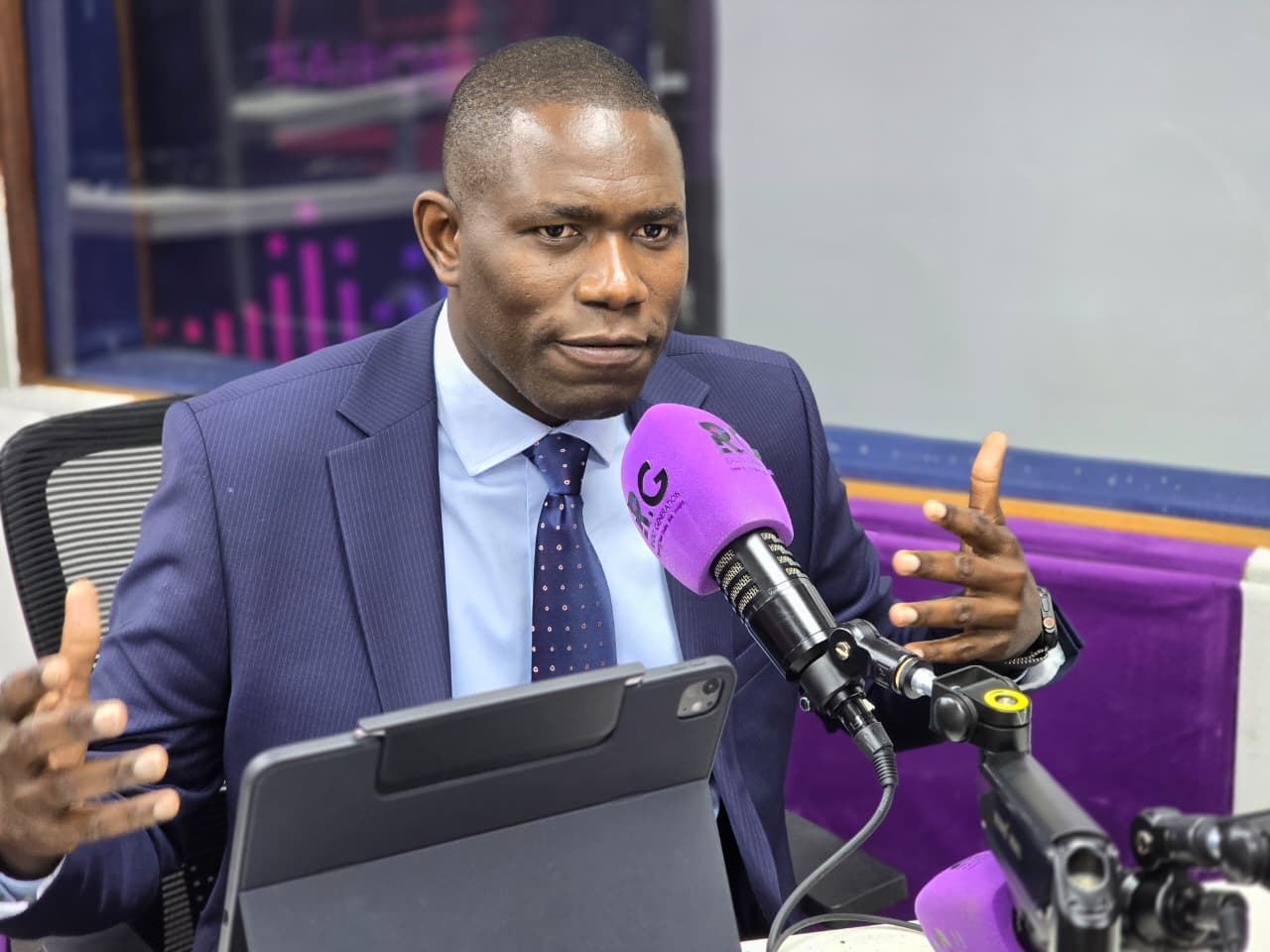
The government is weighing tax incentives for locally assembled wheelchairs in a fresh effort to make the devices more affordable and narrow a national shortage estimated at 550,000. The proposal is expected to encourage more local manufacturers to increase production while expanding access to mobility support for thousands of people with disabilities.
Medical Services Principal Secretary Ouma Oluga announced the plans on Thursday during a meeting that brought together wheelchair providers, rehabilitation specialists, local manufacturers and development partners to discuss ways of improving access to wheelchairs and rehabilitation services.
He said the country continues to face a major shortage of wheelchairs, leaving many children and adults without the support they need to move freely, attend school, earn a living and live independently.
“We are facing an unmet need of about 550,000 wheelchairs in Kenya. This means many people who need mobility support are still going without it, and that affects their education, health, work and participation in society,” Oluga said.
He said Kenya must reduce its dependence on imported wheelchairs by strengthening local production and investing in home-grown solutions that can meet rising demand.
A key proposal discussed during the meeting was expanding the local manufacturing and assembly of wheelchairs to lower prices and improve availability across the country.
“We want to expand local manufacturing and assembly of affordable and quality wheelchairs in Kenya. We also want to create an environment that supports local manufacturers to grow and invest,” Oluga said.
According to Oluga, reviewing taxes charged on imported wheelchair parts and components would lower production costs and encourage more companies to manufacture and assemble wheelchairs locally.
He noted that many people with disabilities are still unable to access wheelchairs because of their high cost and limited supply.
Oluga said access to a wheelchair alone is not enough, adding that proper rehabilitation services are equally important in helping users regain mobility and independence.
“A wheelchair service goes beyond supplying a device. It includes assessment, prescription, fitting, user training, maintenance, repair and follow-up so that users receive the right support and achieve better outcomes,” he said.
Health experts warned that poorly fitted wheelchairs can lead to pain, injuries and posture problems, making them uncomfortable and unsafe for users.
The meeting also explored ways of making wheelchairs more affordable through the Social Health Insurance Fund. Participants said improving the fund's benefits package would allow more people to access wheelchairs alongside rehabilitation services such as assessment, fitting and repairs.
Oluga also said the government is working to increase public awareness on disability and address the stigma faced by people who rely on wheelchairs and other assistive devices.
He said discrimination against people with disabilities remains common in schools, workplaces and public spaces, limiting their full participation in society.
Stakeholders further called for better data on disability and assistive technology needs to help guide government planning and ensure resources reach the people who need them most.
The Ministry of Health also wants stronger collaboration between the government, manufacturers, healthcare workers and development partners to improve wheelchair and rehabilitation services nationwide.
“The government remains committed to working with all stakeholders to develop sustainable and locally-driven solutions that strengthen rehabilitation services, support local industry and expand access to assistive technology,” Oluga said.
He said the proposed measures are in line with the government's commitment to universal health coverage and ensuring people with disabilities have equal access to healthcare services.
The proposals come as a government report showed Kenya continues to make progress in promoting disability inclusion.
The National Council on Administration of Justice said in its 2023-24 report that institutions across the criminal justice system have taken steps to reduce marginalisation and stigma affecting people with disabilities.
The Needs Assessment Report for Persons with Disabilities also highlighted progress made in promoting inclusion within the public service.
The report praised the Kenya National Commission on Human Rights for working with the National Council for Persons with Disabilities during the launch of the Second Status Report on Disability Inclusion in Kenya, which brought together more than 70 ministries, departments and agencies.