Funeral gathering turns deadly after drone strike hits Sudan cemetery
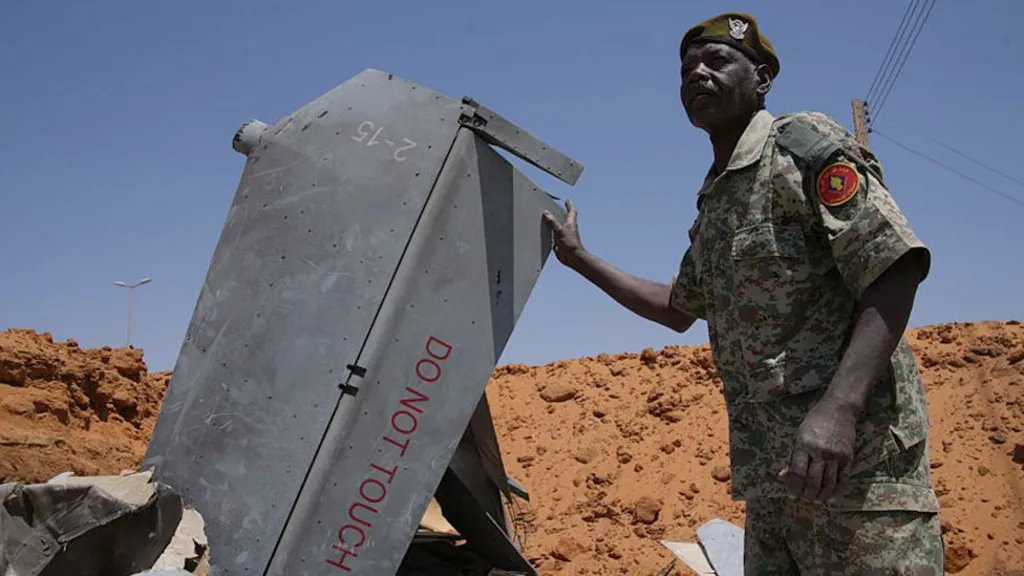
The Sudan Doctors Network and Emergency Lawyers reported that at least four people were killed in the cemetery strike, with several others wounded.
A burial ceremony in Sudan’s el-Obeid was shattered mid-gathering after a drone strike hit mourners inside a cemetery, leaving several dead and many injured in what rights groups say is part of an expanding pattern of aerial attacks across the city.
The Sudan Doctors Network and Emergency Lawyers reported that at least four people were killed in the cemetery strike, with several others wounded.
The groups say the attack is linked to a wider series of drone strikes that began on Wednesday evening and have since left at least 23 people dead in different parts of el-Obeid. Both organisations have pointed the blame at the paramilitary Rapid Support Forces, which has not responded to the claims.
According to Emergency Lawyers, the cemetery incident is one of several coordinated strikes that have hit the city in recent days, including residential areas, the airport district, and zones near a military base.
The group says 13 civilians were killed in those attacks, particularly as residents gathered around damaged homes searching for survivors and trying to recover bodies.
The rights group also reported that five more civilians had been killed in earlier strikes, adding to what it describes as repeated attacks on civilian neighbourhoods over several days. The pattern of strikes has left entire communities shaken, with destruction spreading across both public and residential areas.
In a separate incident linked to the same escalation, Emergency Lawyers and Sudan Doctors Network said a truck driver transporting food supplies was killed after his vehicle was struck during the attacks on Thursday.
El-Obeid, located in the oil-rich Kordofan region, has become one of the most contested urban centres in Sudan’s civil war. The city sits between territories controlled by the army in the east and areas held by the Rapid Support Forces in the west, making it a key strategic point in the conflict.
Control of the wider region is seen as critical because it influences access to oil resources and large stretches of territory, giving it major military and economic importance for both sides.
The war, which began after a power struggle between the army leadership and the Rapid Support Forces, has now dragged on for three years and continues to spread devastation across the country.
Humanitarian agencies say the conflict has created one of the worst crises globally, forcing more than 11 million people from their homes while about 28 million face severe food shortages.
Although exact casualty figures remain unclear, estimates put the death toll at no fewer than 50,000 since the fighting began.
Rights groups say the latest attacks in el-Obeid reflect a deepening cycle of violence, with civilians increasingly caught in repeated strikes across different parts of the city.




Comments
Sign in with Google to comment, reply, and like comments.
Continue with Google