
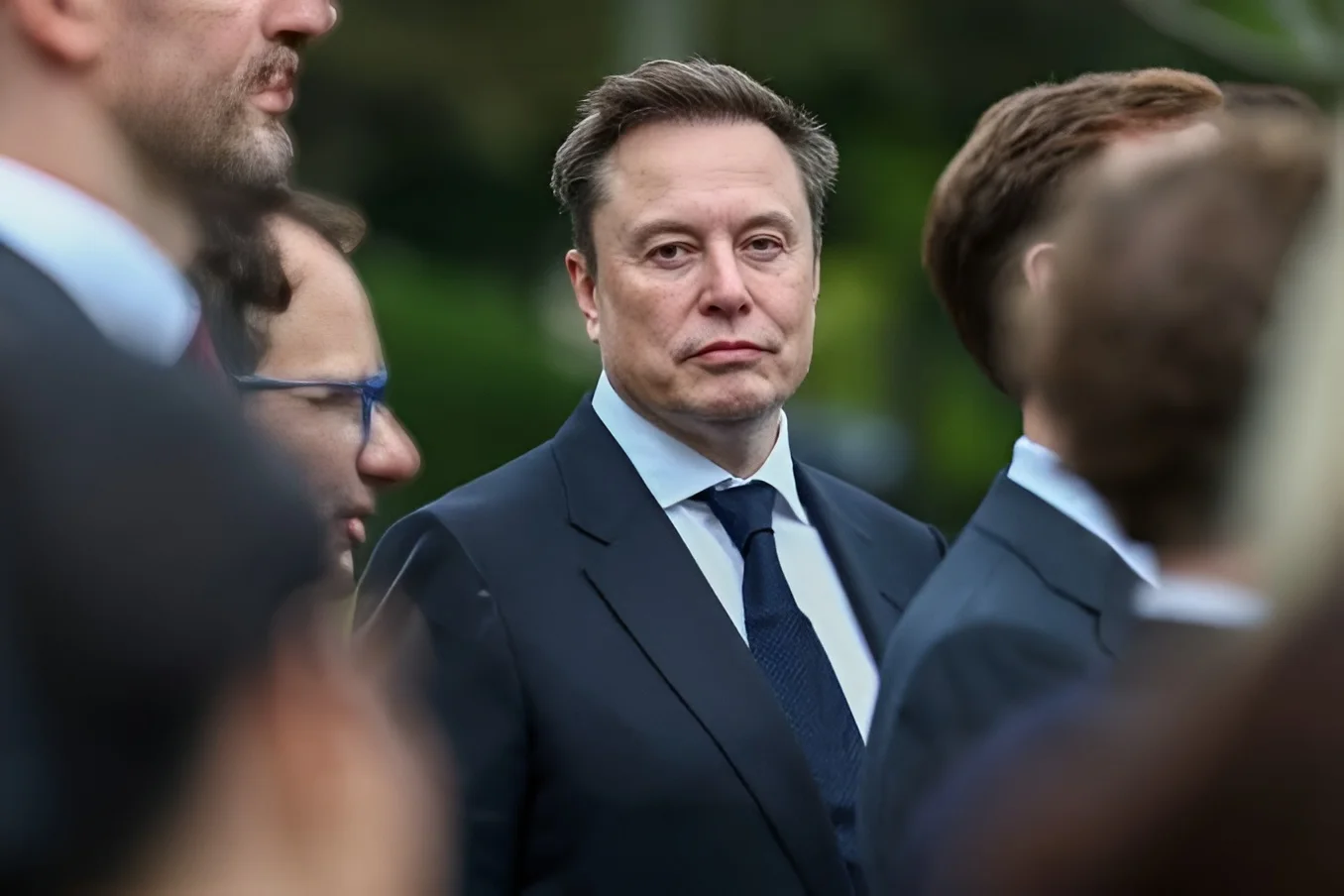
World’s richest man Elon Musk has admitted he feels “pretty foolish” after spending nearly half a billion dollars backing Republican candidates in the 2026 United States midterm elections, which delivered major victories for Democrats.
Speaking via videolink at the New York Times DealBook conference on Wednesday, November 18, Musk said he regretted the amount of money he had poured into campaigns that failed to achieve his political objectives.
“I feel pretty foolish about having spent so much money and not seeing much for it, or maybe it would have been much worse without that,” Musk said.
He said his objective had been to ensure that the opposing party controlled at least one of the three institutions – the presidency, House of Representatives or Senate – but admitted that the plan had failed.
According to campaign finance figures reported by US media, Musk contributed approximately $474 million to political groups and candidates during the 2026 election cycle, making him one of the largest individual political donors in the country.
The amount included approximately $216 million to his America PAC, $168 million to the Senate Leadership Fund, $30 million to the Congressional Leadership Fund, and tens of millions more to other Republican groups and state-level political efforts.
His spending was particularly significant in Texas, where he backed Republican Senate candidate Ken Paxton against Democrat James Talarico.
Reports indicated that Musk directed more than $200 million towards efforts supporting Paxton, whose campaign ultimately lost to Talarico. The contest became one of the most expensive Senate races in American history, with more than $570 million spent by groups supporting the two candidates.
Musk’s wider political investment also failed to deliver the results he had sought nationally. Democrats secured control of both chambers of Congress, dealing a major setback to Republicans and President Donald Trump.
The billionaire appeared to acknowledge the limits of his financial influence, saying the outcome demonstrated that campaign spending alone could not determine how Americans voted.
“The lesson here is that it certainly shows that American elections are not just about money,” he said.
“Obviously you can put a lot of money into election and have an effect that is relatively minor, and I think that was the case here,” he added.
The 2026 midterms were not Musk’s first major involvement in American electoral politics. He spent more than $250 million supporting Trump’s successful 2024 presidential campaign, helping the Republican return to the White House for a second term.
Following Trump's victory, Musk briefly headed the Department of Government Efficiency (DOGE), an initiative tasked with reducing federal government spending and restructuring government operations.
However, the two men later experienced a public falling-out before eventually reconciling. Musk subsequently continued supporting Republican candidates and causes associated with the president.
Reflecting on his latest political spending, Musk said he would have approached the campaigns differently if given another opportunity.
“If I could rewind the clock, I would have spent less money,” he said.
He also suggested that his involvement in the campaigns had been limited by his responsibilities at his technology companies, saying he had not devoted much personal attention to the political contests.
“I didn't put a lot of personal attention into it because I'm focused on building SpaceX, Tesla,” Musk said.
His remarks come after a costly election cycle in which his financial backing failed to prevent Democrats from making significant gains, raising fresh questions about the influence of billionaire donors in American politics.