
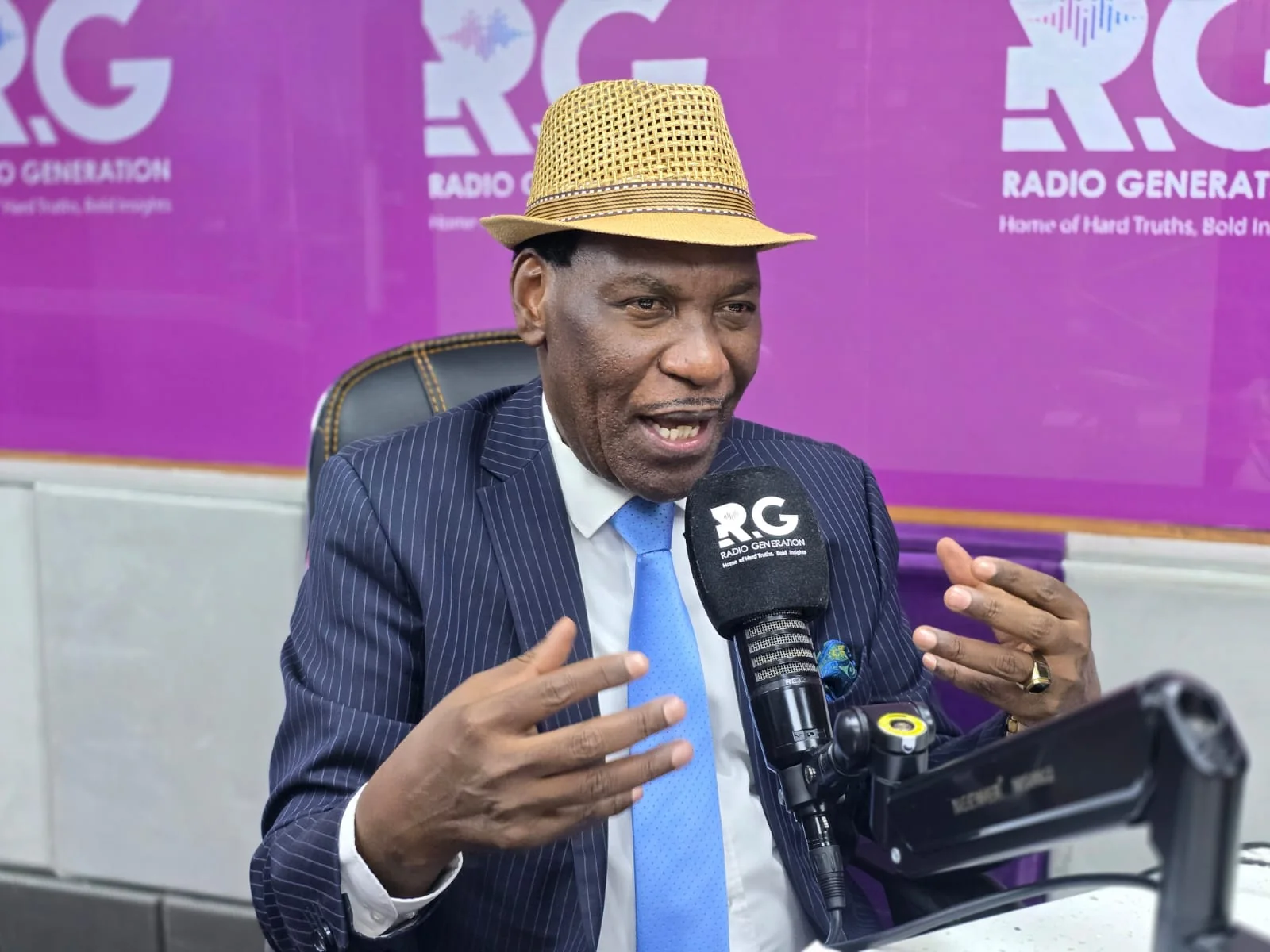
Music Copyright Society of Kenya (MCSK) Chief Executive Officer Ezekiel Mutua has defended the recording and livestreaming of church services, arguing that people who attend worship services should be considered to have consented to being photographed or recorded.
In a statement on Sunday, November 22, 2026, Mutua said individuals who do not wish to appear in church livestreaming sessions or photographs should consider avoiding church services.
He maintained that choosing to attend a church service should be taken as consent to being captured on camera, particularly where congregations routinely broadcast their services or take photographs of activities inside their premises.
"If you do not wish to appear in church live-streaming sessions or photographs, you should not attend the church. By choosing to attend, a person should be considered to have given consent to being recorded or photographed," Mutua stated.
The MCSK chief executive further urged churches across the country to display notices at their entrances informing worshippers and other visitors that recording, photography and livestreaming may take place during services.
According to Mutua, such notices would inform congregants about the recording policy before they enter church premises, making them aware that they could appear in photographs or live broadcasts.
He argued that churches should communicate these arrangements clearly to avoid disagreements involving worshippers who may not want their images captured or shared during religious gatherings.
The proposed notices would also give attendees an opportunity to make informed decisions about participating in services where photography and livestreaming are part of church activities.
Mutua also weighed in on the application of data protection laws, arguing that the legislation should be applied reasonably and not used to target or undermine churches.
He maintained that the legal framework should consider the nature of activities in public gatherings, including religious services where photography and livestreaming are common.
His remarks come amid wider discussions about privacy, consent and the use of personal images in digital content, particularly as churches increasingly use social media platforms to broadcast services and reach audiences beyond their physical congregations.
Extending his argument beyond religious institutions, Mutua said the same principle should apply to political rallies and other public gatherings.
He suggested that people attending such events should also be aware that photography, video recording and livestreaming may take place.
His position places churches, political rallies and other public gatherings within the same broader discussion on the expectations of privacy for people participating in events where recording is part of the proceedings.
Mutua's statement has brought renewed attention to the balance between the right to privacy and the use of photography and livestreaming at public and religious gatherings.
The question of consent, particularly where images are subsequently published or distributed online, remains an important consideration under Kenya's data protection framework.