SHA rolls out higher cover for cancer, sickle cell and maternity care
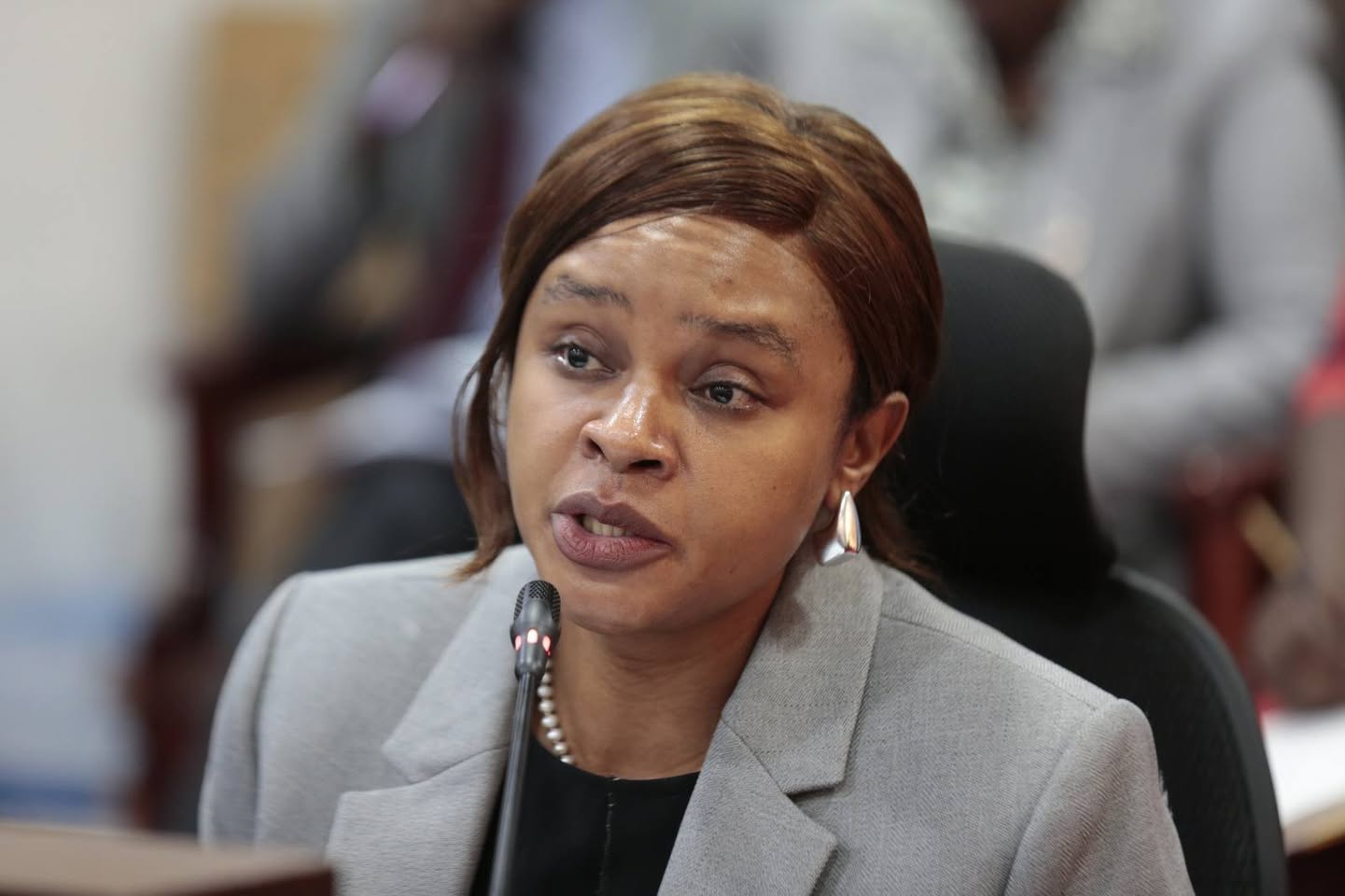
The changes are based on commitments made during the State of the Nation Address and resolutions from the 12th Summit of the National and County Governments Coordinating Framework.
The Social Health Authority has introduced revised health insurance benefits that raise financial support for patients dealing with cancer, sickle cell disease, and maternity care, in a policy shift aimed at widening access to specialised treatment across the country.
The updated packages, issued under Legal Notice No. 78 of 2026, were communicated through a statement by Health Cabinet Secretary Aden Duale on his X account on Monday, May 11, 2026, and published in the Kenya Gazette Supplement No. 114 dated May 8, 2026.
The changes are based on commitments made during the State of the Nation Address and resolutions from the 12th Summit of the National and County Governments Coordinating Framework.
The reforms are being implemented by the Social Health Authority as part of ongoing efforts to improve access to healthcare services and reduce the cost burden on patients seeking long-term treatment.
New financial support for sickle cell disease
Under the revised haematology and oncology coverage, patients living with sickle cell disease will now receive targeted financial assistance for advanced blood-related procedures.
The package includes apheresis platelets at Sh20,000 and red cell exchange at Sh70,000, with each procedure available up to three times within a policy period.
“In addition, the Government has introduced dedicated support for patients living with sickle cell disease. The package now covers apheresis platelets at Ksh20,000 and Red Cell exchange at Ksh 70,000, each accessible up to three times within a policy period,” read the notice in part.
Authorities say the intervention is designed to ease complications linked to the condition and reduce the financial pressure on affected families.
Expanded cancer treatment cover
The reforms also raise the level of funding for cancer care under the Emergency, Chronic and Critical Illness Fund, increasing support for long-term treatment and specialised services.
The allocation for chronic illnesses has been increased from Sh150,000 to Sh400,000, pushing the overall annual cancer benefit limit to Sh800,000 per beneficiary from Sh550,000.
The package covers oncology consultations, chemotherapy, radiotherapy, PET scans, PSMA PET scans, MRI scans, SBRT and SBRS procedures, as well as brachytherapy and other radiotherapy services. It also includes supportive care linked to cancer treatment.
“To strengthen cancer care and shield families from catastrophic medical costs, the annual Cancer Benefits Package has been increased from Ksh550,000 to Ksh800,000. The expanded cover includes oncology consultations, chemotherapy, radiotherapy, advanced diagnostic services such as CT scans, MRI and PET scans, specialised treatment options including Brachytherapy and SBRT/SBRS, as well as supportive care services.”
Health Cabinet Secretary Aden Duale said the changes are meant to improve access to advanced treatment and reduce the financial strain on households dealing with cancer.
Updated maternity services
Maternity care has also been revised, with registered beneficiaries now able to access free services at Level 2 and Level 3 health facilities.
Normal deliveries will be reimbursed at Sh10,000 while caesarean sections will be covered at Sh30,000. The package also includes postnatal care, immunisation, laboratory tests, blood transfusion services, and other essential maternal health support.
The services are funded through the Primary Healthcare Fund and are available at designated facilities on a walk-in basis.
Social Health Authority Chief Executive Officer Mercy Mwangangi said the reforms are guided by national health priorities aimed at expanding universal health coverage and improving access to essential services.




Comments
Sign in with Google to comment, reply, and like comments.
Continue with Google