NGEC links 2024 unrest to rising inequality among vulnerable groups
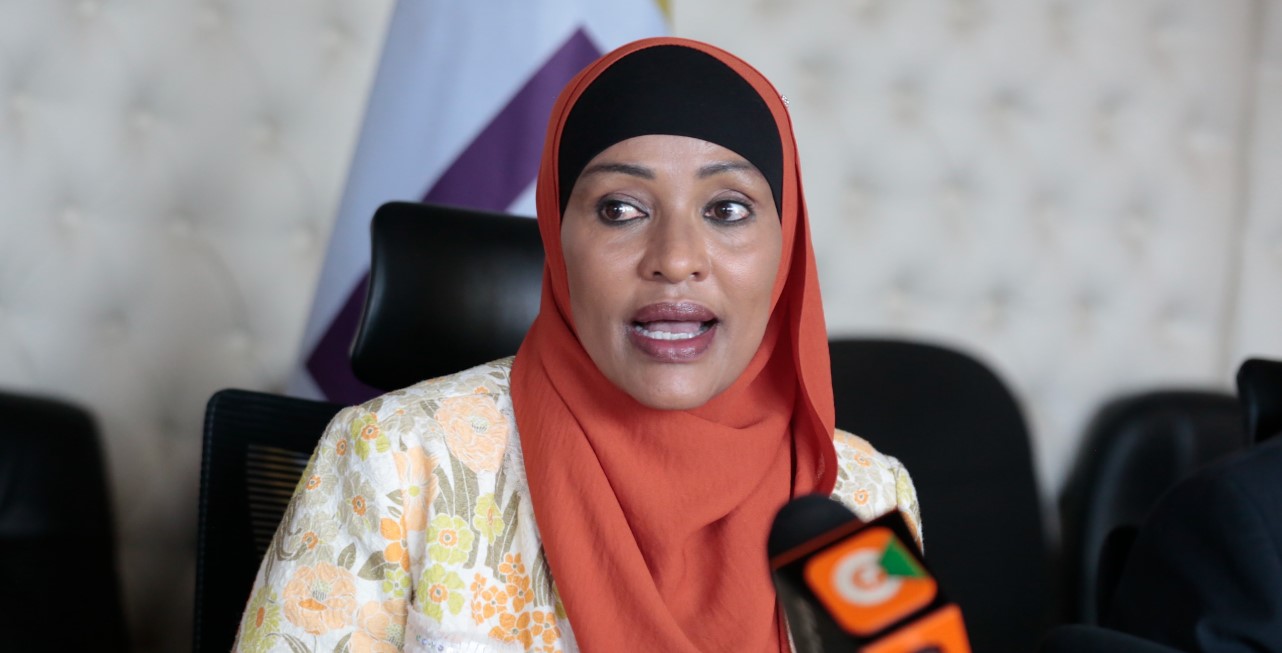
The National Gender and Equality Commission says Kenya’s 2024 protest and campaign period worsened inequalities for women, youth and persons with disabilities. It raised risks linked to high cost of living, GBV, unemployment and taxation on sanitary towels during talks in Kisumu.
The National Gender and Equality Commission has raised concern that Kenya’s 2024 protest period and election-related activities deepened existing social and economic gaps, leaving vulnerable groups more exposed to hardship, violence risks and limited access to essential services.
The concerns were raised during a consultative engagement held at the Commission’s Kisumu Regional Office, where officials met David Ngira, an Economic and Social Rights Researcher from Amnesty International Kenya, to review how political developments are affecting equality and protection outcomes across the country.
In its statement released on Thursday, NGEC said the discussions focused on the link between public unrest and persistent economic pressures, including the rising cost of basic goods, unemployment affecting young people, and taxation on essential items such as sanitary towels, which continue to burden low-income households.
“The discussions examined issues linked to the protests, including the high cost of living, youth unemployment, and taxation on essential commodities such as sanitary towels,” NGEC said in a statement shared on social media.
The Commission noted that periods of political and economic disruption tend to worsen inequality, particularly among Special Interest Groups such as women, children, youth, persons with disabilities, older persons, minorities and marginalised communities who already face structural disadvantages.
It further indicated that during the 2024 protest period, there were reported incidents of sexual and gender-based violence, physical attacks, teenage pregnancies and destruction of property, raising concern about the safety of vulnerable groups during times of unrest.
“The session highlighted how periods of political and economic instability can deepen inequalities and increase risks for women, children, youth, persons with disabilities, older members of society, minorities, and marginalised communities,” the Commission said.
NGEC said its engagement with civil society organisations and research groups is aimed at strengthening evidence-based approaches to equality and human rights issues that emerge during political and economic shifts.
The Commission also outlined several ongoing interventions aimed at addressing these challenges, focusing on policy advocacy and improving access to essential services for affected populations.
Among the measures discussed were proposals supporting the removal of taxes on sanitary towels, expanding access to Social Health Authority coverage for teenage mothers and older persons, and strengthening monitoring of social protection programmes targeting vulnerable households.
“The Commission also shared measures undertaken to address emerging gender and equality concerns arising from these situations,” it said.
NGEC also pointed to its cooperation with police gender and children’s desks as part of efforts to improve response systems for survivors of gender-based violence and strengthen protection services at the community level.
It further noted that ongoing reforms in the health sector, particularly the rollout of the Social Health Authority, are expected to improve access to healthcare and support broader efforts toward universal health coverage for vulnerable groups.
“Kenya’s ongoing rollout of the Social Health Authority continues to place focus on expanding access to healthcare and strengthening universal health coverage for vulnerable populations,” NGEC stated.
The Commission said the Kisumu engagement provided an important platform for stakeholders to reflect on the need for inclusive governance systems that ensure equality, non-discrimination and access to essential services for all citizens.
It added that sustainable development and stability depend on safeguarding rights, especially during periods of social and economic pressure that tend to deepen inequality.
“The engagement provided an important platform to reflect on the need for inclusive and responsive systems that safeguard equality, non-discrimination, and access to protection and essential services for all,” NGEC said.
The Commission reaffirmed its commitment to working with partners to ensure policies and interventions respond effectively to the needs of vulnerable groups, particularly during periods of national uncertainty.


Comments
Sign in with Google to comment, reply, and like comments.
Continue with Google