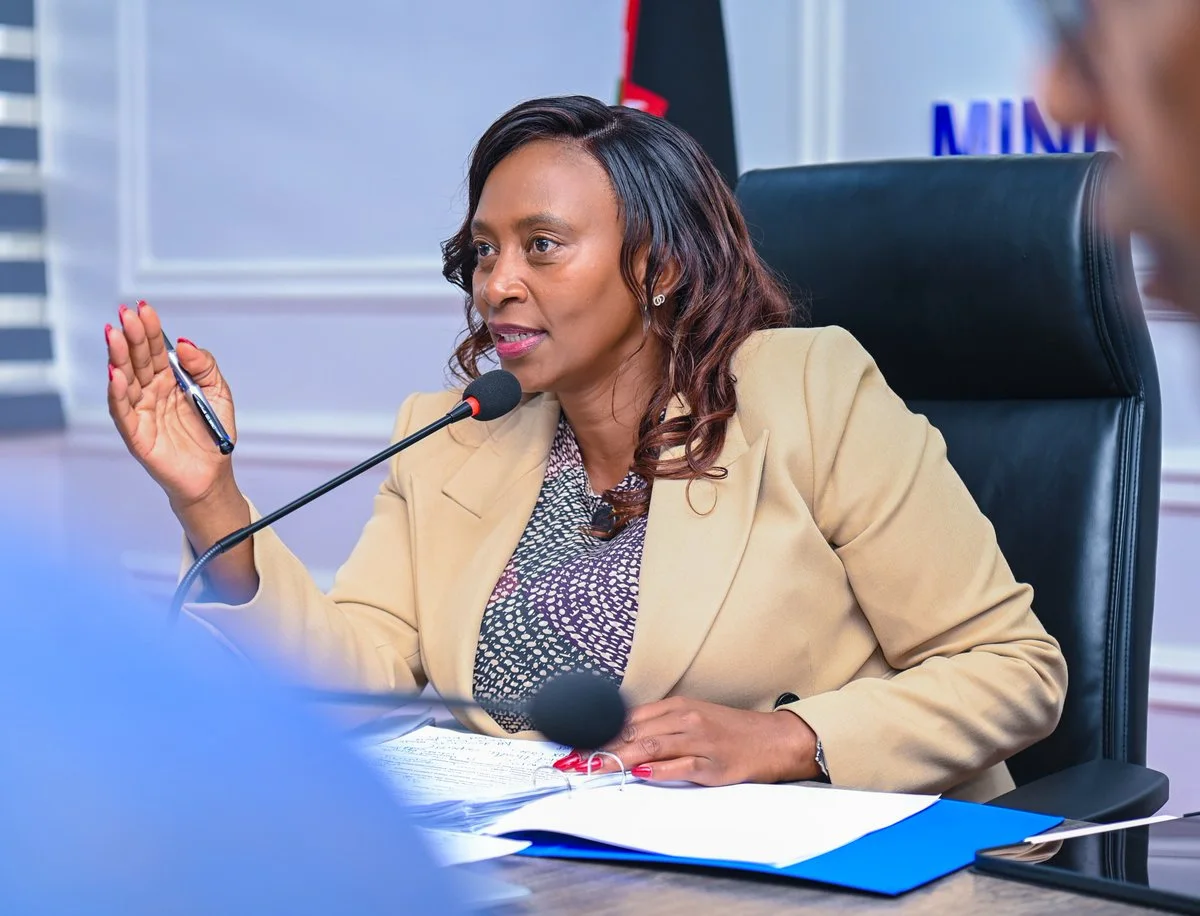
Religious leaders have been urged to use their influence in local communities to promote early detection of Ebola, as the Ministry of Health steps up public awareness following an imported case in Kenya.
Public Health and Professional Standards Principal Secretary Mary Muthoni wants churches to make the disease a key topic during worship services, prayer meetings and community engagements.
She said faith-based institutions could help protect families by sharing reliable health information, encouraging people to report possible exposure promptly and standing with affected households without discrimination.
“Churches have an important role in protecting families and communities by promoting preventive practices, encouraging early reporting and supporting those affected,” PS Muthoni said.
The ministry has asked anyone who has had contact with a person suspected or confirmed to have Ebola to alert health officials immediately, even when they feel healthy.
“Follow instructions on monitoring, quarantine or movement restrictions as advised by public health officials,” she said.
People listed as contacts by health authorities should check for symptoms daily for 21 days from their last possible exposure. However, the ministry noted that being identified as a contact does not automatically mean a person must be isolated. Anyone who develops symptoms should report promptly for medical assessment.
Symptoms can emerge between two and 21 days after infection and may include sudden fever, severe headache, muscle pain, weakness, sore throat, vomiting, diarrhoea and a skin rash. In serious cases, unexplained bleeding may also occur.
“Do not wait for bleeding before seeking medical advice,” PS Muthoni said.
As part of its prevention advice, the ministry has encouraged the public to wash their hands frequently using soap and clean running water. An alcohol-based hand sanitiser containing at least 70 per cent alcohol can also be used where appropriate.
Kenyans have been warned to avoid direct contact with the bodily fluids of anyone suspected or confirmed to have the disease. These include blood, saliva, sweat, vomit, urine, faeces, breast milk and semen.
“Avoid close physical contact, including kissing and hugging, with anyone who may be infected."
The ministry has also cautioned against touching or sharing personal belongings that may have been exposed to the virus. Such items include clothing, bedding, utensils, razor blades, needles and other potentially contaminated objects.
Those travelling to or from Ebola-affected areas have been advised to take precautions, particularly if they may come into contact with infected people. Healthcare workers, relatives and caregivers are also at greater risk when they handle infected individuals without suitable protective equipment.
The public has further been urged to stay away from sick or dead wild animals, including bats, monkeys, antelopes and porcupines. The ministry advised against handling or eating bushmeat obtained from animals suspected of carrying Ebola.
Families have been told to contact health officials without delay if they suspect a household member has contracted the disease. While awaiting professional assistance, relatives should limit physical contact, avoid exposure to the person's body fluids and refrain from sharing items that could be contaminated.
Healthcare workers and caregivers attending to suspected cases must follow recommended infection prevention procedures and wear the appropriate personal protective equipment.
“Family members and untrained individuals should not attempt to provide direct care without guidance from qualified health professionals,” the PS said.
The ministry has stressed that anyone who develops symptoms associated with Ebola, particularly after possible exposure, should seek medical advice immediately.
“Early identification, appropriate treatment and supportive care can improve the chances of survival. Do not wait for symptoms to become severe."
People who suspect they may have the infection have been advised to call the Ministry of Health's toll-free hotline 719 for instructions on safe referral and transport to a suitable health facility. They should also limit unnecessary contact with others while waiting for help.
The ministry has warned that the risk of transmission continues after death, making safe handling of bodies a critical part of containing the disease. Communities have therefore been asked to follow public health guidance when arranging burials.
“Do not touch, wash or handle the body. Inform health authorities immediately so that trained teams can arrange a safe and dignified burial in accordance with public health guidelines,” PS Muthoni said.
Precautions have also been outlined for Ebola survivors, with the ministry noting that the virus may remain in semen after recovery. Male survivors have been advised to follow medical instructions on sexual activity, including abstinence or condom use, until tests confirm that the virus is no longer present.
Muthoni has also appealed to Kenyans to avoid treating suspected cases, survivors and their relatives unfairly, warning against blame or rejection that could make it harder for those affected to seek care.
“Avoid discrimination, rejection or blame. Encourage those affected to seek appropriate medical care while observing recommended safety measures,” she said.
The ministry has urged the public to avoid spreading rumours and unconfirmed reports about Ebola, instead relying on official government channels for updates and guidance on prevention and the national response.
It said it was working with county governments, health workers and partners to improve disease surveillance, trace contacts and strengthen preparedness in different parts of the country.
Kenyans seeking information, wishing to report suspected cases or needing advice on safe referral can contact the ministry through the toll-free hotline 719, the *719# USSD service or the Jali WhatsApp Assistant on 0700 719 719.
Muthoni urged churches to maintain their role in educating the public, saying community vigilance, timely reporting and following prevention guidelines were vital to protecting lives.