
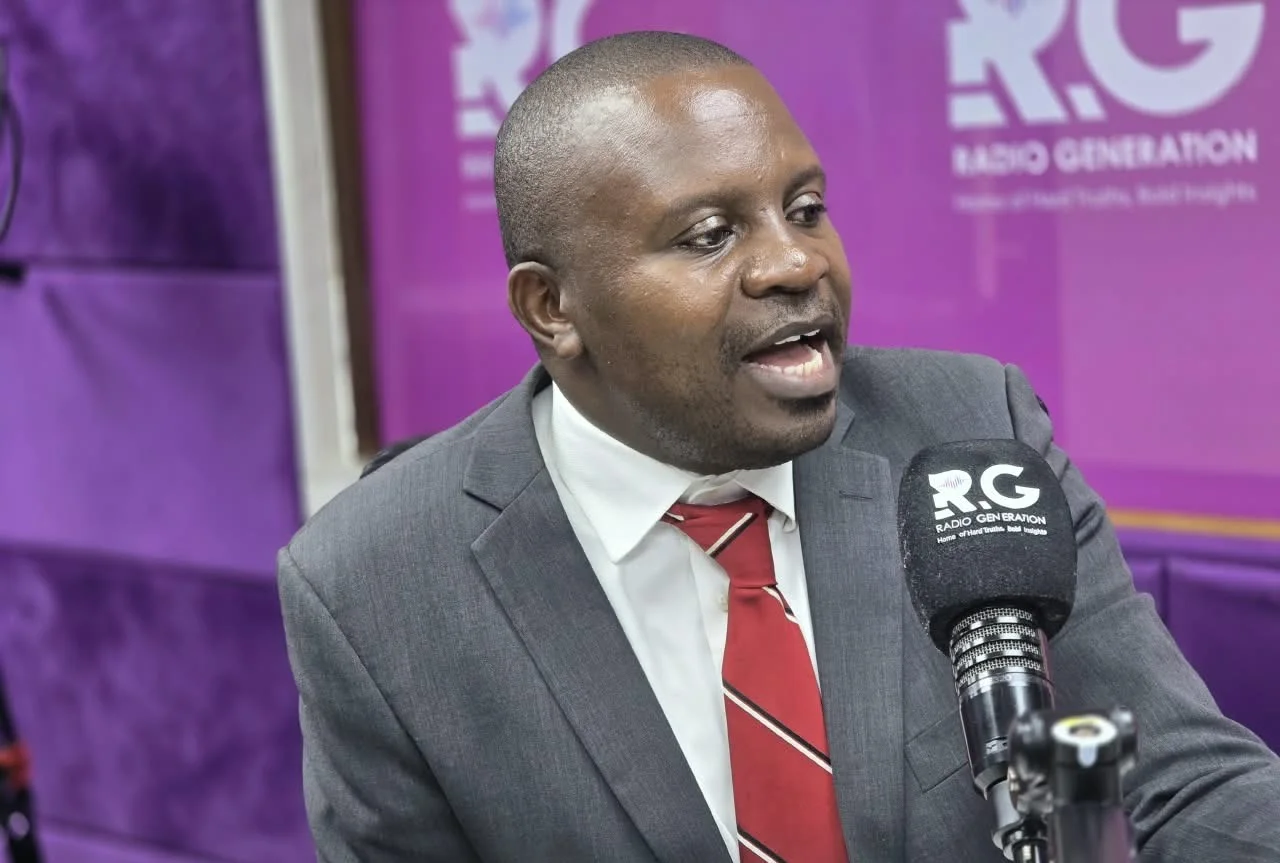
Kanyadoto Ward MCA Apopo Lentana has called on Kenya to rethink its transport infrastructure, arguing that lessons from Germany and the United States could help improve road safety, reduce congestion and shorten travel times.
Speaking in an interview on Radio Generation on Monday, Lentana said Kenya’s road network has not kept pace with the growing number of vehicles, leaving motorists, pedestrians, cyclists and motorcyclists competing for limited road space.
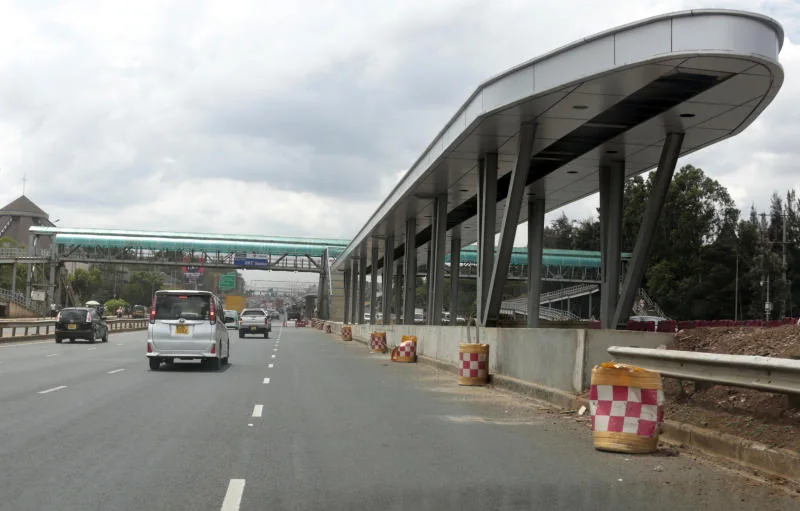
“Today, if you look at our road design, you may say it is 60 years old. We do not have any new road in this country. There is no modern road today in Kenya, except Thika Road, and now Rironi-Mau Summit Road,” he said, referring to projects he considers examples of improved infrastructure.
The Kenya National Bureau of Statistics’ Economic Survey 2026 recorded 5,009 road deaths in 2025, up from 4,748 in 2024, representing a 5.5% increase. Reported road crashes also rose from 11,165 to 11,638 during the period. The figures for 2025 are provisional.
Lentana singled out the Thika Superhighway, saying traffic separation, service lanes and designated spaces had improved road safety. He claimed accidents had declined by almost 80 per cent following its construction, although he did not provide supporting data during the interview.
He also cited Germany’s Autobahn network, known for sections of motorway without a general speed limit for cars. However, the system is not entirely unrestricted: some sections have posted speed limits, while 130 kilometres per hour is the recommended speed on unrestricted stretches. The European Commission notes that speed limits should reflect road design, traffic conditions and safety considerations.
“Why would a Mercedes-Benz, Volkswagen, BMW or Audi have speeds of 260 kilometres per hour in Germany? Why? Because their roads allow for it in Germany. There is a system called Autobahn,” Lentana said.
According to the country’s Federal Statistical Office, 2,770 people died in road crashes in 2024. Excessive or inappropriate speed was implicated in 30% of road deaths that year.
The MCA also pointed to the United States’ interstate highway network as an example of sustained investment in transport infrastructure. The US Federal Highway Administration reported that the country had approximately 4.2 million miles of public roads in 2024, including 221,568 miles on the National Highway System.
Beyond highways, Lentana called for investment in mass public transport, particularly bus rapid transit (BRT), to reduce dependence on private vehicles in Nairobi.
“We know very well that a city like Nairobi must have a BRT system,” he maintained.
The World Bank has identified Nairobi’s planned BRT system, road safety and improved urban mobility as areas for data-informed transport planning. Its work in Kenya includes research intended to support safer, more efficient public transport and address urban air pollution.
Lentana further urged authorities to prioritise footpaths, pedestrian crossings and facilities for cyclists, while strengthening vehicle inspections and enforcement of traffic regulations. He argued that road safety depends on mechanically sound vehicles, appropriate infrastructure and responsible drivers.