
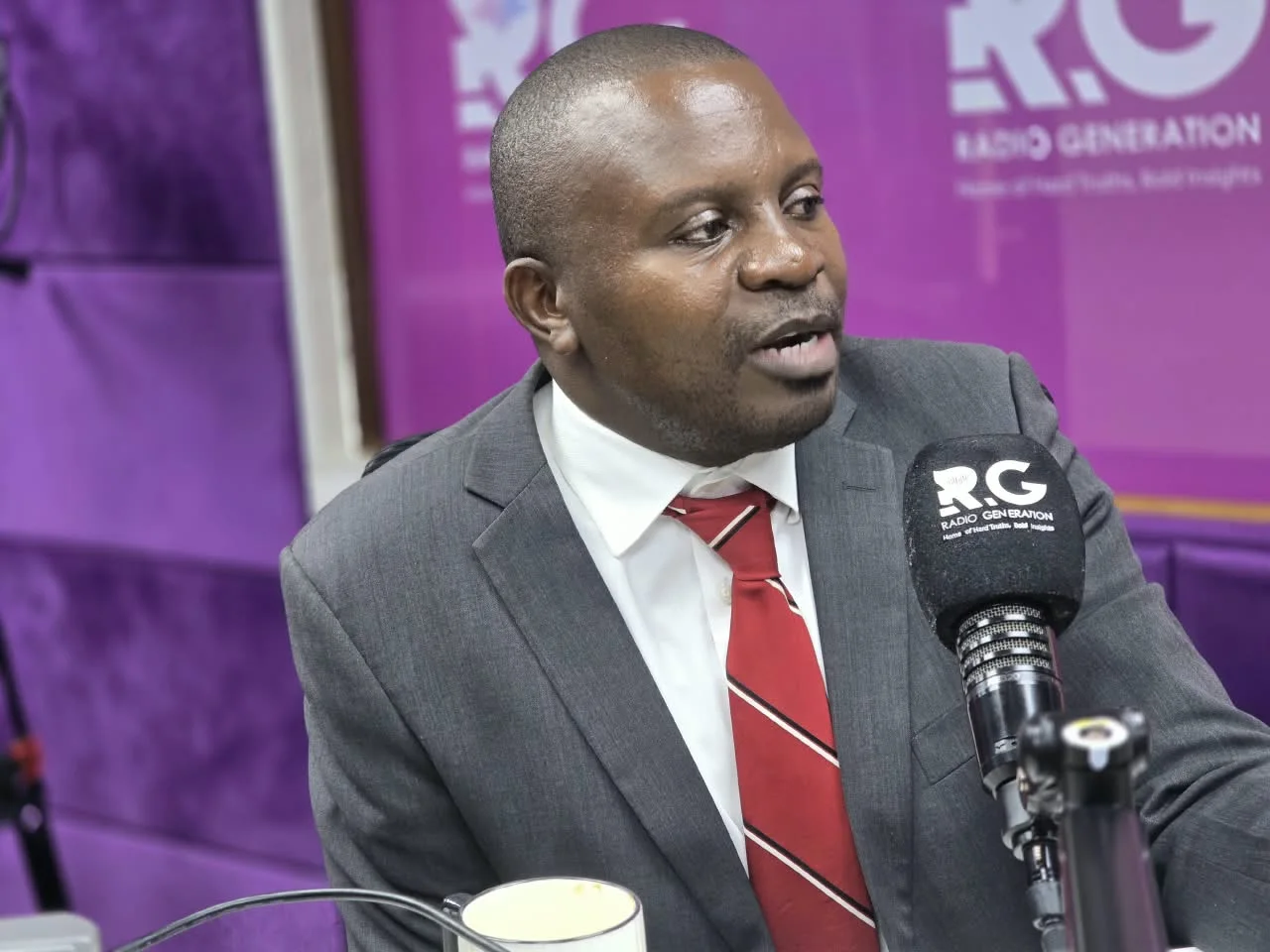
Kanyadoto Ward MCA Apopo Lentana has called for a broader approach to road safety in Kenya, arguing that poor infrastructure, inadequate pedestrian facilities and failure to observe traffic rules contribute to preventable deaths.
Speaking on Radio Generation on Monday, the MCA challenged the perception that road crashes are entirely unpredictable, saying decisions made before collisions can create conditions that put motorists and other road users at risk.
“People normally say that accidents are unplanned, but from my studies, because I've studied safety for a very long time, accidents are always planned. There's no accident in this world that is not planned,” Lentana said.
He described some crashes as “planned” at the primary or secondary level, referring to driver behaviour and decisions by authorities responsible for road design.
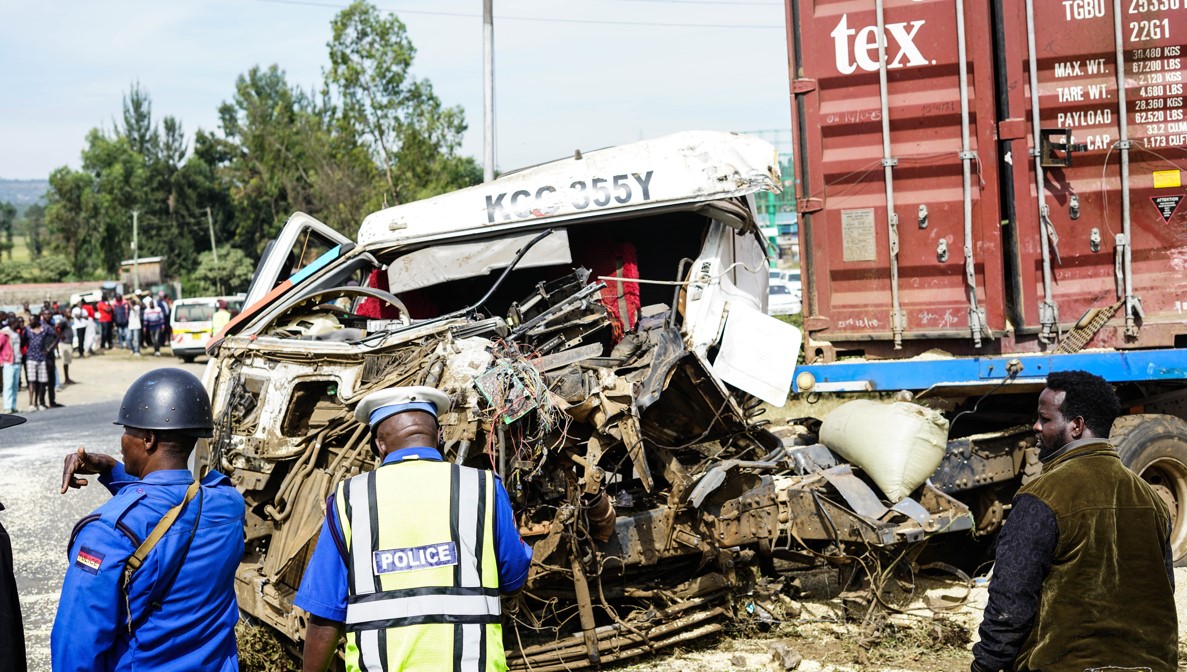
According to the Kenya National Bureau of Statistics’ Economic Survey 2026, reported road traffic deaths rose from 4,748 in 2024 to 5,009 in 2025, a 5.5% increase. Reported crashes also rose from 11,165 to 11,638 over the same period.
The survey recorded 24,905 people killed or injured in road crashes in 2025, compared with 24,245 in 2024. The reported causes included overloading, driver fatigue, drunk driving, failure to observe traffic rules, reckless driving and poor road infrastructure.
Lentana argued that responsibility for road safety should not end with blaming drivers after a collision. He said planners must consider pedestrians, cyclists, motorcyclists and communities living alongside highways when designing transport infrastructure.
He cited the Thika Superhighway as an example of how separating traffic and providing designated lanes and shoulders could improve safety.
“If you look at accidents pre-Thika Road, pre-Thika Superhighway, if you see accidents pre-superhighway today, they reduced by almost 80 per cent,” he claimed.
Lentana also criticised the lack of pedestrian crossing facilities, saying road projects should incorporate footbridges and other safe crossings from the planning stage. He pointed to sections of the Nairobi–Limuru road where pedestrians encounter heavy traffic.
“The planning of accidents at that point is that the policy people, the government, do not plan for the footbridges and for the design.”
The World Health Organization’s 2023 road safety profile for Kenya estimated 14,926 road traffic deaths in 2021, significantly higher than the 4,579 fatalities officially reported that year. The difference illustrates how official records and international estimates can vary. The WHO also reported that pedestrians, cyclists and users of motorised two- and three-wheelers account for substantial shares of road deaths globally.
Lentana maintained that engineers should assess the social impact of roads instead of concentrating mainly on structures and vehicle movement.
“When engineers plan roads, they tend to focus on structures and traffic flow rather than the social needs of the communities using them," said Lentana.
He called for stricter vehicle inspections and enforcement of traffic regulations, arguing that road safety depends on mechanically sound vehicles, safe infrastructure, and compliant drivers.
“The first thing in driving, you must have a good machine that is mechanically sound. The second thing must be a good road. This is the government's responsibility to give you good roads. The third thing must be a compliant driver,” he added.
His argument, however, highlights the need to examine road design, driver conduct and enforcement together as Kenya seeks to reduce the number of people killed or injured on its roads.