
The Institution of Engineers of Kenya (IEK) has stepped up training and professional development for engineers, with a focus on improving bridge inspections and structural audits as concerns grow over the safety, condition and lifespan of infrastructure across the country.
IEK Second Vice President Eng. John Robert Otieno Ogolla said equipping engineers with the right skills was key to identifying structural defects, assessing ageing infrastructure and deciding whether bridges and other structures should be repaired, strengthened or replaced.
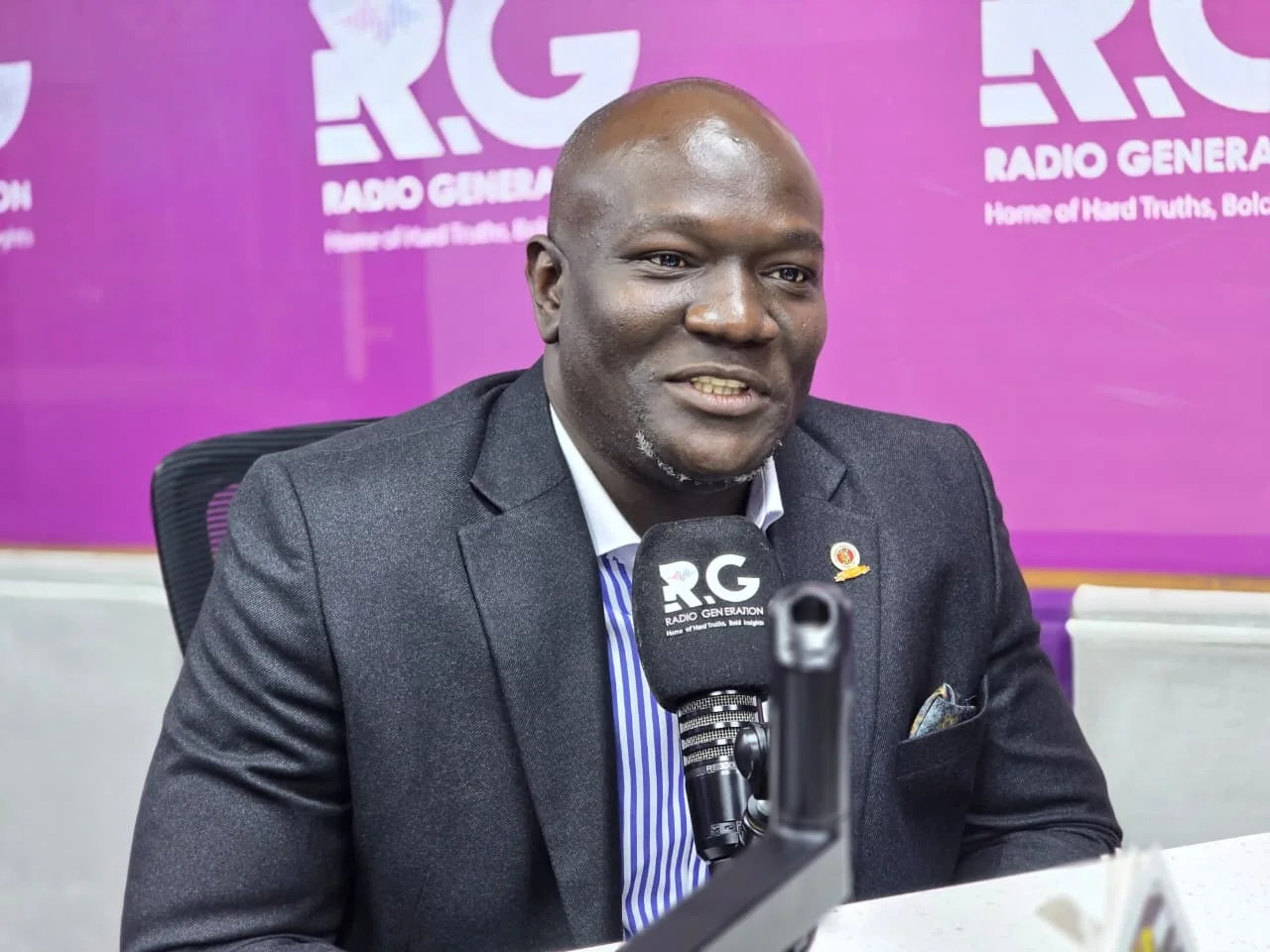
Speaking on Radio Generation on Friday, Ogolla said the institution had been training young engineers, bridge specialists and other professionals to help them carry out detailed inspections and establish the condition of existing structures.
He stressed that proper technical assessments were necessary, especially for bridges that were nearing or had already exceeded their planned design life, noting that engineers needed reliable information to determine the safest way forward.
“I would want to categorically give credit to our engineers in Kenya. We are very competent engineers in Kenya, and recently there has been training and upscaling of what we call bridge audits. There has been a lot of training for young engineers and bridge engineers and people who work in this sector to actually audit the structures across the country, so that they can know the status of what they are and how they can be handled better,” Ogolla said.
The training drive comes as the country continues to build and maintain infrastructure, with engineers playing a key role in checking the safety of existing structures and guiding decisions on repairs and other forms of intervention.
Data from the Engineers Board of Kenya (EBK) shows that the country has more than 28,000 registered engineers in different categories, including graduate, professional and consulting engineers. This represents a pool of technical professionals who can contribute to infrastructure development, inspections and maintenance.
However, the total number of registered engineers does not mean that all of them are qualified to independently carry out every professional engineering task. This makes continued training, practical experience and career progression important in ensuring that engineers have the skills required for their specific responsibilities.
In the 2023/2024 financial year, EBK registered 2,067 graduate engineers and 474 professional engineers, according to its annual report. The Board also reported that its Graduate Engineers Internship Programme had given hundreds of graduates access to mentorship and work experience, helping them move towards professional practice.
By 2025, more than 3,000 graduate engineers had received training through the internship programme, alongside additional support offered through other training arrangements.
These efforts point to the need to prepare young engineers for the demands of the profession by giving them practical exposure and specialised knowledge as they work towards professional registration.
Ogolla said bridge audits were particularly important because they allow engineers to establish whether structures remain safe for public use and identify damage that may need attention before it becomes a greater risk.
He explained that bridges and other structures showing signs of wear, or those approaching the end of their planned service life, must undergo proper technical checks to determine their ability to continue serving their intended purpose.
Depending on the findings, engineers may recommend repairs, reinforcement or other measures to extend a structure's useful life. However, where a structure is found to pose a danger to the public, demolition may be necessary.
Ogolla maintained that such decisions should not be made without a detailed assessment, adding that the condition of each structure must guide the action taken.
He also called attention to the need for structural assessments when owners seek to modify or expand older buildings. Before approving additional floors or other major changes, engineers must first establish whether the existing structure can safely carry the extra load.
Such checks help determine whether reinforcement or other changes are needed to support the planned work without putting occupants and the public at risk.
Beyond bridges and buildings, Ogolla highlighted the role of engineering skills and quality checks in road construction, warning that poor materials, weak compaction and inadequate testing can lead to roads wearing out before their expected service life.
He explained that road construction is carried out in stages, with every layer required to meet the necessary standards before work can move to the next phase.
“A road cannot exist without someone signing off on it. Every stage of that project, someone signs off on it, and there are test results that show that for us to move from one layer to another, the work has been approved,” he said.
According to Ogolla, approval at every stage is important because it confirms that the work has been tested and accepted before additional layers are put in place.
He warned that ignoring these procedures can result in poor-quality roads and early damage, including the development of potholes before the roads reach the end of their expected service life.
The concerns he raised point to the importance of proper supervision and testing throughout construction, rather than waiting until defects appear before taking action.
For engineers, this means ensuring that materials meet the required standards, construction work follows the approved process and test results support decisions to proceed from one stage to another.
The focus on technical training also reflects the need to build a workforce capable of handling the growing demands of infrastructure inspection and maintenance. While registration provides a measure of the size of the engineering profession, practical training and specialised skills remain important in preparing professionals to take on complex assignments.
Through its Graduate Engineers Internship Programme and other training arrangements, EBK has continued to support young engineers as they gain experience and work towards professional recognition.
Ogolla's remarks highlight the role of continuous learning, mentorship and regular structural audits in improving the quality of engineering work in Kenya.
As engineers assess ageing bridges, inspect buildings and monitor road construction, their findings can help guide decisions on repairs, rehabilitation, reinforcement or replacement, depending on the condition of each structure.
Strengthening the skills of young and experienced professionals alike is therefore important in helping identify potential structural risks early, improve maintenance decisions and support the safety and durability of the country's public infrastructure.