Skip to content

Hard truths. Bold Insights. Real talk.

Radio Generation Kenya

Just In

Benin City’s $25 million museum faces political stand-off before opening
Global Affairs

Benin City’s $25 million museum faces political stand-off before opening

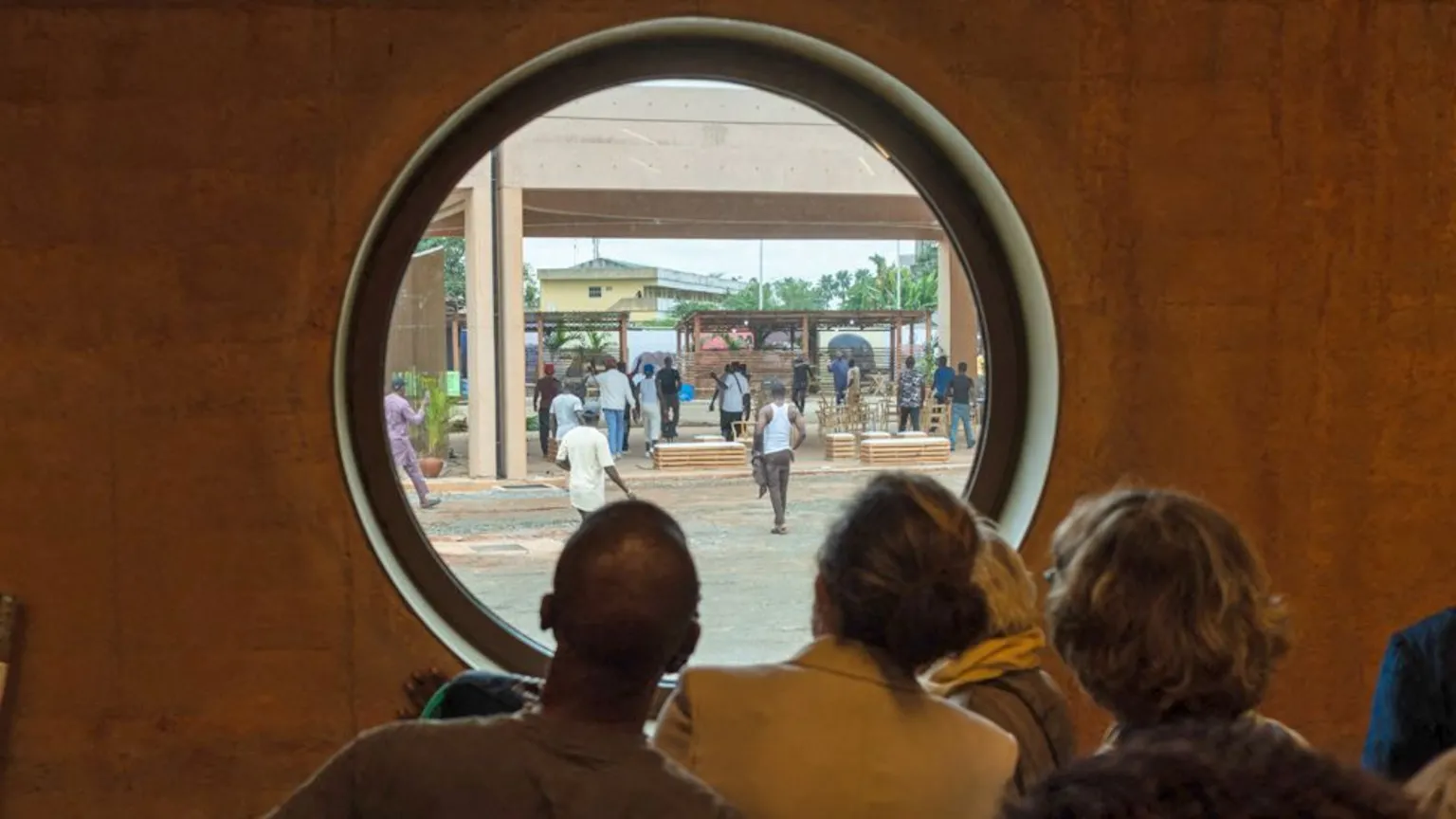
The museum occupies six hectares in the southern Nigerian city, incorporating an archaeological dig and architecturally striking buildings by British-Ghanaian designer Sir David Adjaye, renowned for the National Museum of African American History and Culture in Washington. It was envisioned as a showcase for both historic artefacts, such as the famed Benin Bronzes, and contemporary creative work from across West Africa.


New county licensing law to grant automatic approval after 28 days
Business

New county licensing law to grant automatic approval after 28 days

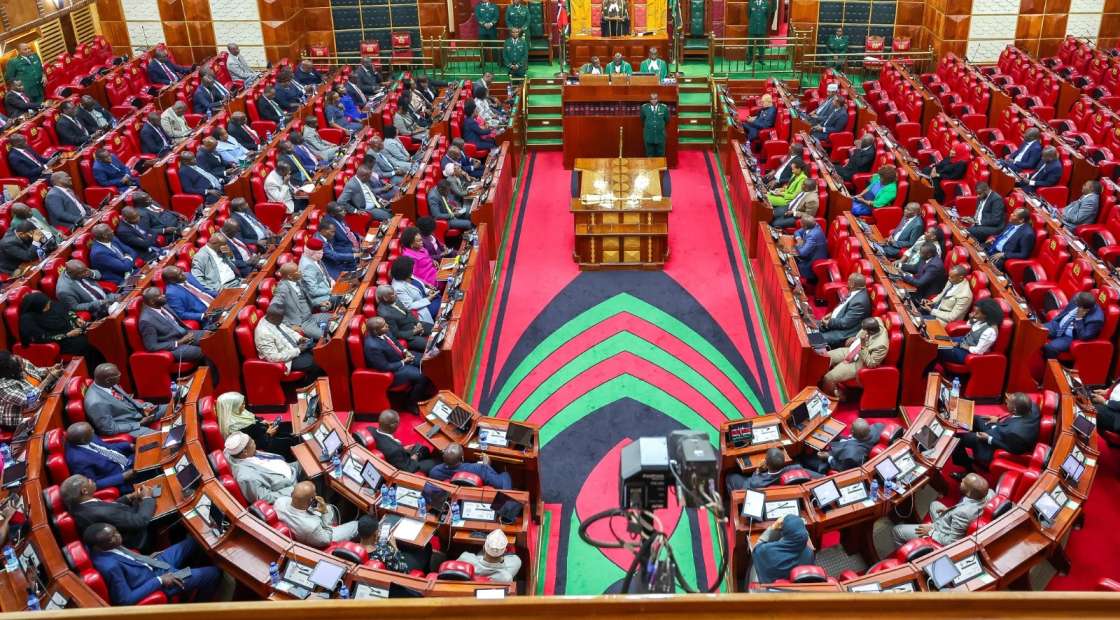
The County Licensing (Uniform Procedures) regulations of 2025 also seek to consolidate multiple county permits into a single licence, simplifying operations for traders and investors. The initiative, spearheaded by the Investment, Trade and Industry ministry, aims to improve the investment climate and reduce bureaucratic obstacles.

Kenya’s refugee support system teeters on collapse amid Sh2.6bn shortfall
News

Kenya’s refugee support system teeters on collapse amid Sh2.6bn shortfall

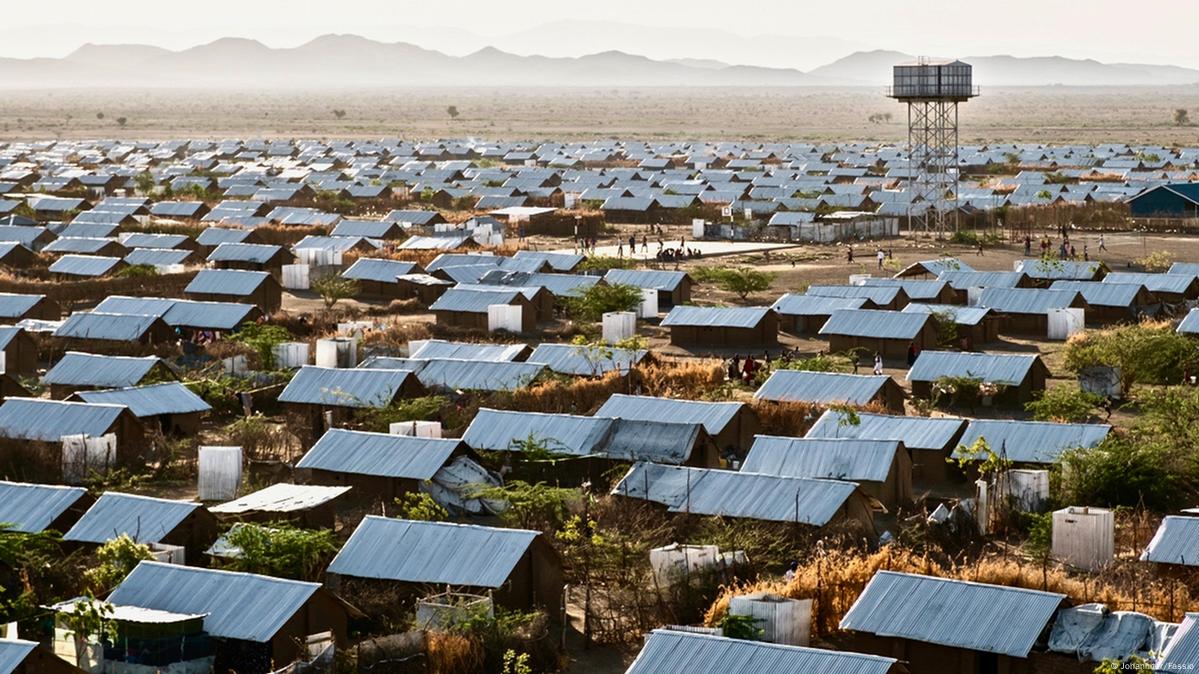
According to a new mid-year report by the Refugee Group (NRG), the country’s refugee response system is now “under strain,” with deteriorating infrastructure, rising insecurity, and declining livelihoods across settlements. The Shirika Plan, launched in 2021 in collaboration with UNHCR and the World Bank, sought to replace the traditional camp-based approach with a model that allows refugees to access schools, healthcare, formal jobs, and financial services as part of Kenya’s broader development goals.

End of an Era: US coins its last penny
Global Affairs

End of an Era: US coins its last penny

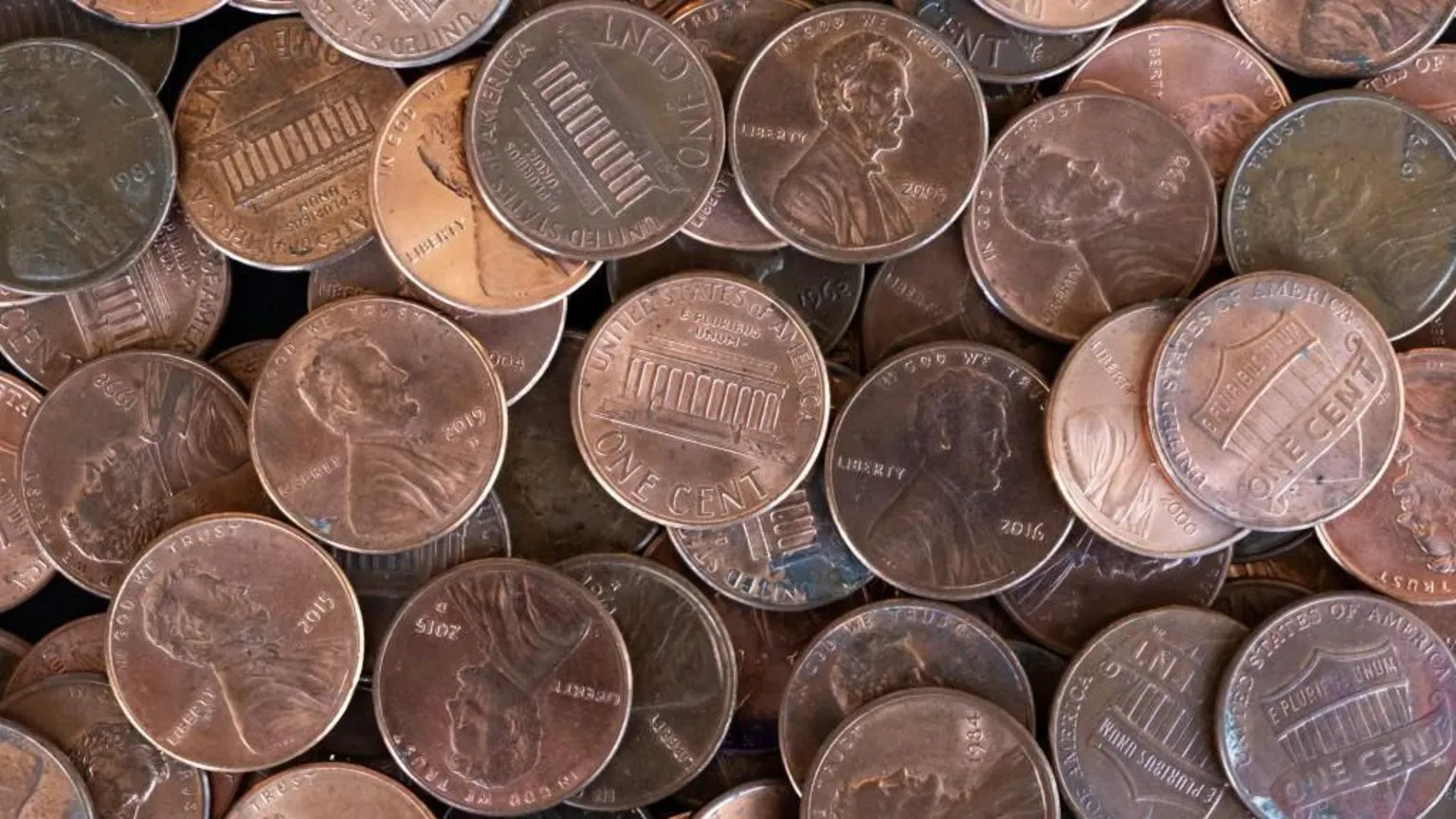
Treasury officials note that pennies, which honor President Abraham Lincoln and are composed of copper-plated zinc, now cost nearly four cents to produce—more than double their cost ten years ago. Eliminating production is expected to save approximately $56 million per year.