
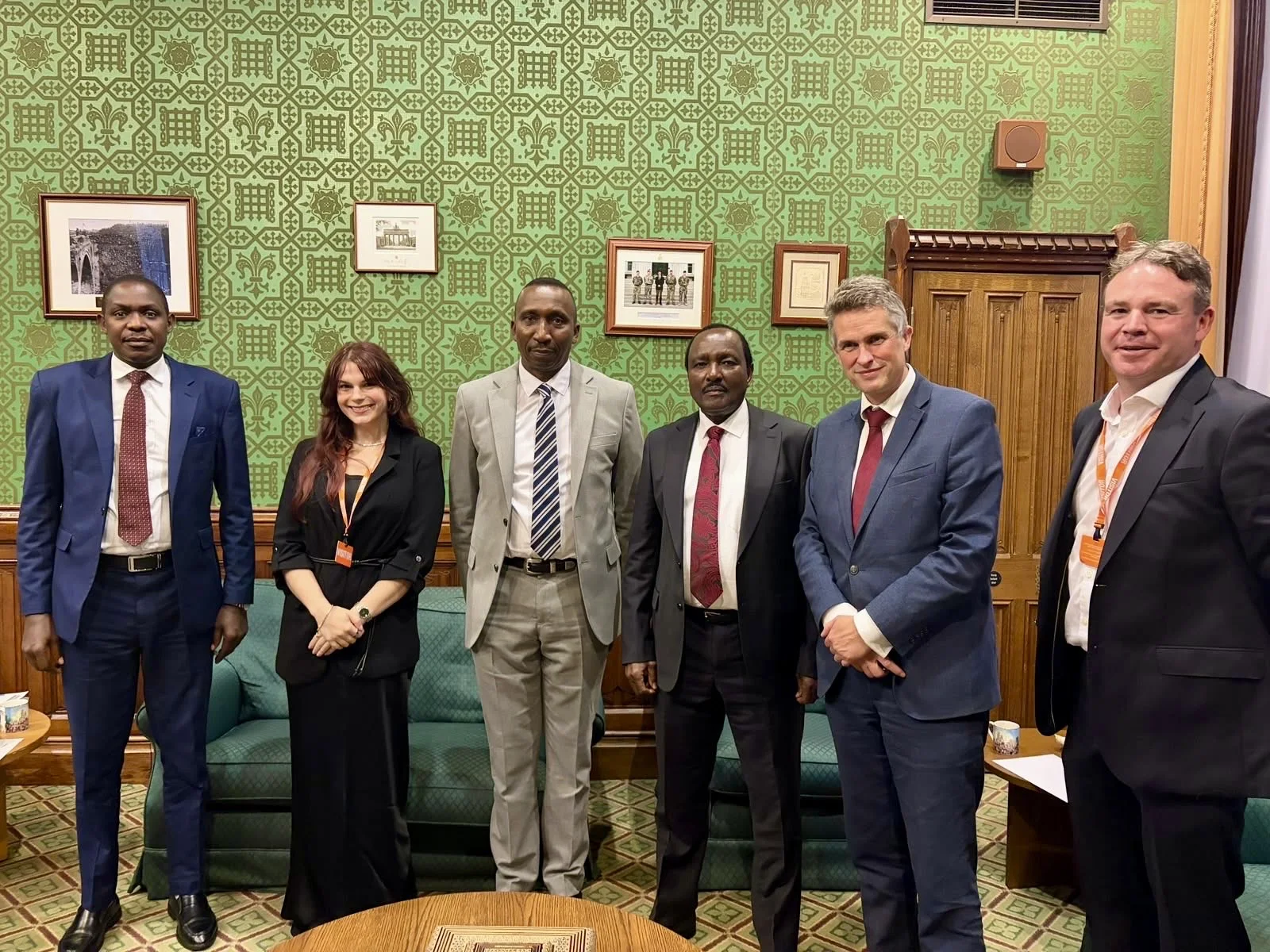
Kenya must make better use of its own resources, expand local industries and mobilise money held by its citizens to finance development, Wiper Democratic Front leader Kalonzo Musyoka has said, warning that the country cannot build a strong economy while depending on foreign markets for finished goods and outside partners to drive its progress.
Kalonzo made the remarks during a series of engagements with policymakers, investors, diplomats and development partners in London, United Kingdom, where he called for a shift towards an economic model that gives local production and Kenyan-owned capital a greater role in national development.
Addressing the House of Commons on Tuesday, October 13, 2026, the opposition leader said Kenya needed to move beyond selling unprocessed materials and buying back finished products, arguing that more economic value should be created within the country.
“A country cannot export raw materials, import finished goods and expect to prosper,” Kalonzo said.
He called for greater investment in processing and manufacturing, saying such efforts would help local farmers, industrial businesses and entrepreneurs benefit more from the country's resources while opening up employment opportunities for young people.
The Wiper leader said Kenya had the potential to strengthen its economy by producing more goods locally instead of allowing opportunities for wealth creation to shift to countries that process its raw materials.
He also called for a change in how the country approaches international cooperation, saying Kenya should engage foreign partners from a position of responsibility for its own development rather than depend on them to solve its economic problems.
“Kenya is not coming to Britain seeking rescue. We are not asking the world to build Kenya for us. We are determined to build Kenya ourselves, and we invite the world to build with us,” he said.
Kalonzo maintained that international investment remained welcome but should deliver clear benefits to Kenya and its citizens. He warned against arrangements that could place the country's economic interests at risk or allow its resources and strategic assets to be used without sufficient regard for local needs.
“We welcome investors, but investment is not extraction, and partnership is not patronage,” he said, insisting that decisions involving Kenya's resources and economic future must put Kenyans first.
His position calls for a development approach in which foreign investment supports local priorities while the country takes greater responsibility for financing projects, growing industries and creating opportunities for its population.
Komboa Kenya plan targets economic recovery
At Chatham House, Kalonzo presented his Kenya at a Cusp: Rescue, Restore, Renew agenda, which he described as the Komboa Kenya roadmap for rebuilding the economy and reforming public institutions.
The proposed agenda brings together economic recovery, job creation, the restoration of constitutionalism, the fight against corruption and efforts to rebuild public confidence in state institutions.
Kalonzo said Kenya should look more closely at the financial resources available within its borders and find ways to direct domestic savings and capital towards productive investments.
“It is imperative that Kenyans take charge of their own destiny. We have the savings and the capital. Let us mobilise them, build our industries and finance our own development,” he said.
He argued that bringing together local financial resources could help fund development projects and support businesses, reducing the country's dependence on external financing as it pursues its economic goals.
Under the approach he outlined, international development partners would continue to play a role, but their support should strengthen initiatives led by Kenyans rather than determine the direction of national policy.
The proposals come as questions over Kenya's economic priorities, the influence of foreign investment and the need to expand domestic production remain part of the national debate.
Increasing local manufacturing and processing is central to the argument that Kenya can retain more value from its resources, support local enterprises and create jobs rather than rely heavily on imported finished goods.
Kalonzo said the country's difficulties were not caused by an absence of natural wealth, skilled people or opportunities, but by a failure to use those advantages for the benefit of ordinary citizens.
“Kenya does not lack wealth, talent or potential. What we have lacked is leadership that puts them to work for the people,” he said.
He expressed optimism that Kenya could improve the welfare of its people if its financial resources, natural wealth and human capital were directed towards productive activities.
Kalonzo's message in London was that lasting economic progress would require stronger local industries, greater mobilisation of domestic capital and leadership committed to ensuring that the country's resources translate into better outcomes for Kenyans.