

Former National Cohesion and Integration Commission (NCIC) chairperson Rev. Samuel Kobia has cautioned that Kenya’s leaderless Gen Z movement risks ending in tragedy and paving the way for a return to authoritarian rule, warning that young people need clear leadership and organised structures to achieve lasting political change.
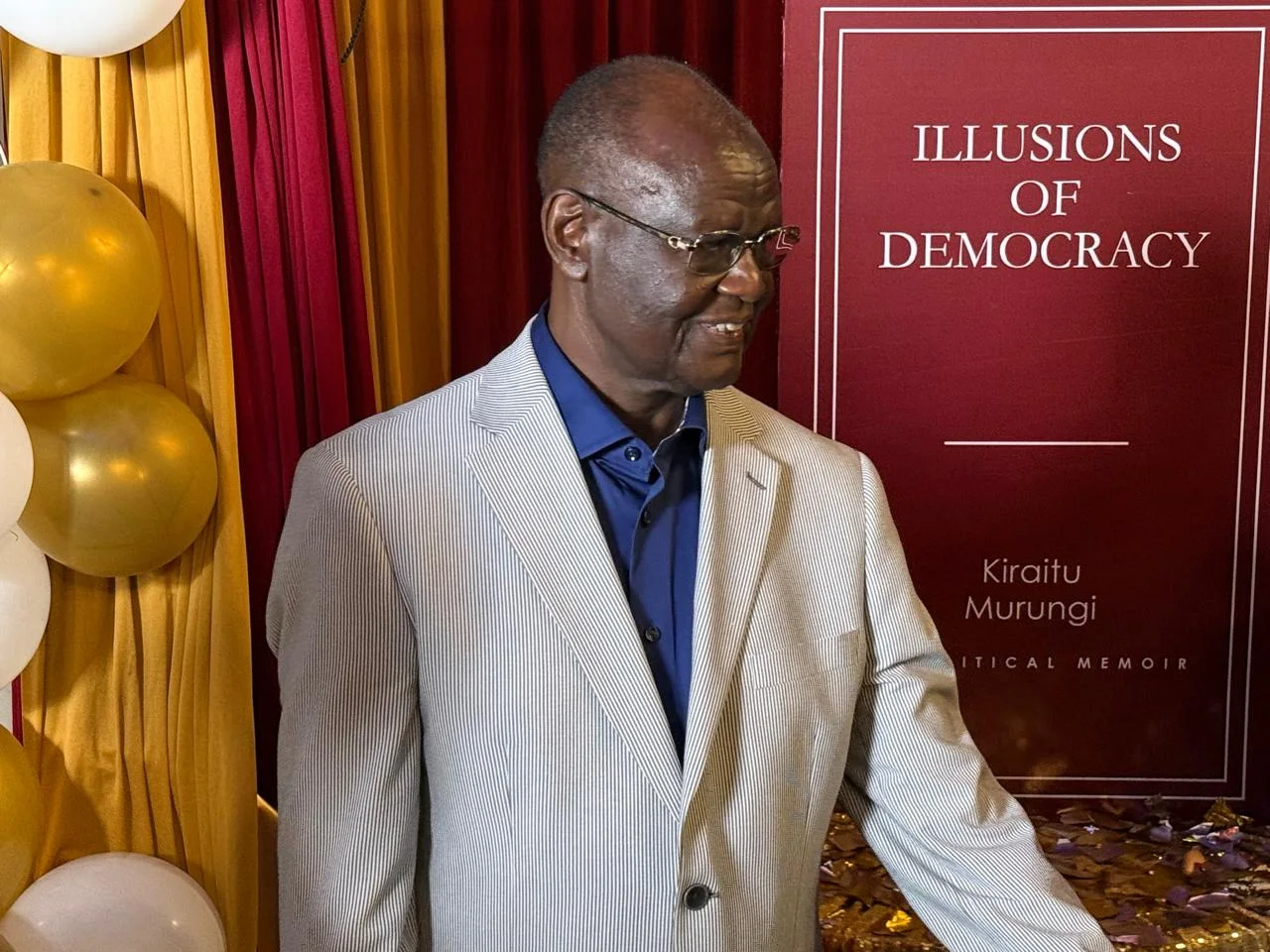
Speaking during the launch of former Meru Governor Kiraitu Murungi’s political memoir, Illusions of Democracy, on Friday, October 16, Kobia said Kenya’s struggle for democracy remained incomplete despite years of political activism, constitutional reforms and the introduction of multiparty politics.
Kobia backed Murungi’s argument that the lack of clear leadership and organisation was a major weakness in youth-led movements, pointing to developments in Sudan and Madagascar as examples of how popular struggles could give rise to new political crises.
“The formless, leaderless, and the partyless are fundamental weaknesses of the Gen Z struggle,” Kobia quoted from the book, adding that popular movements without clear leadership could end in “tragedy and recycled authoritarianism”.
The former NCIC chair said he shared Murungi’s concerns, recalling that he had previously warned young activists against operating as an unstructured movement while expecting to achieve lasting political change.
He argued that public anger and mass protests alone were not enough to secure meaningful political reforms, suggesting that young people needed to build organised movements capable of sustaining their demands beyond street demonstrations.
Kobia also drew comparisons between Murungi’s book and Jaramogi Oginga Odinga’s Not Yet Uhuru, published in 1967, saying both works examined the difference between the promises made to Kenyans and the reality they continued to experience.
“Odinga interrogated the promise of independence. Murungi interrogates the promise of democracy,” he said.
In Illusions of Democracy, Murungi examines the credibility gap in Kenya’s multiparty democracy, focusing on the contrast between the democratic principles set out in the Constitution and the experiences of ordinary citizens at the grassroots level.
The memoir questions whether the country’s democratic system has delivered on its promises, despite the political changes and reforms that have taken place over the years.
Kobia further argued that holding elections was not enough to guarantee democracy, saying a truly democratic government must respect human rights, uphold the rule of law and remain accountable to the people.
“Democracy is about whether a young Kenyan can look to the future with hope,” Kobia said.
He added that democracy should also be reflected in the daily lives of citizens, including farmers earning a dignified living, workers being able to support themselves through their wages and Kenyans having the freedom to question those in authority without fear.
Former National Assembly Speaker Francis Ole Kaparo, who also addressed the gathering, questioned whether Kenya had made meaningful progress in its democratic journey, drawing comparisons between the political struggles of the late 1980s and early 1990s and the challenges facing the country today.
Kaparo recalled the violence directed at activists who fought for constitutional reforms and greater political freedom, noting that some of the problems discussed in Murungi’s memoir remained evident decades later.
“We have made progress when it comes to democracy,” he said.
However, Kaparo sarcastically questioned the nature of that progress by pointing to political insults and leaders addressing crowds while standing on the rooftops of vehicles along roads as examples of what the country appeared to consider democratic advancement.
He called on political leaders to accept criticism and make difficult decisions in the interests of Kenyans, stressing the need for leadership that puts the public good ahead of personal and political interests.
The concerns raised at the book launch come in the wake of the June 25, 2024, Gen Z anti-tax protests, which changed the national debate from opposition to proposed tax increases to wider demands for accountability, action against corruption and better governance.
The demonstrations put the government under intense pressure, prompting President William Ruto to announce on June 26 that he would not sign the Finance Bill 2024 and that the proposed legislation would be withdrawn.
The announcement followed deadly protests in which at least 23 people were reported killed.
However, demonstrations continued even after the President’s decision, with young protesters broadening their demands to include wider political reforms and accountability for the deaths and injuries recorded during the unrest.
The protests marked a turning point in Kenya’s political debate, bringing questions about the relationship between elected leaders and citizens, the use of state power and the country’s democratic future to the forefront.
Kobia’s warning, alongside the concerns raised by Murungi and Kaparo, highlights the continuing debate over whether Kenya’s democratic system is delivering the freedoms, accountability and economic opportunities promised to its citizens, particularly its younger generation.