
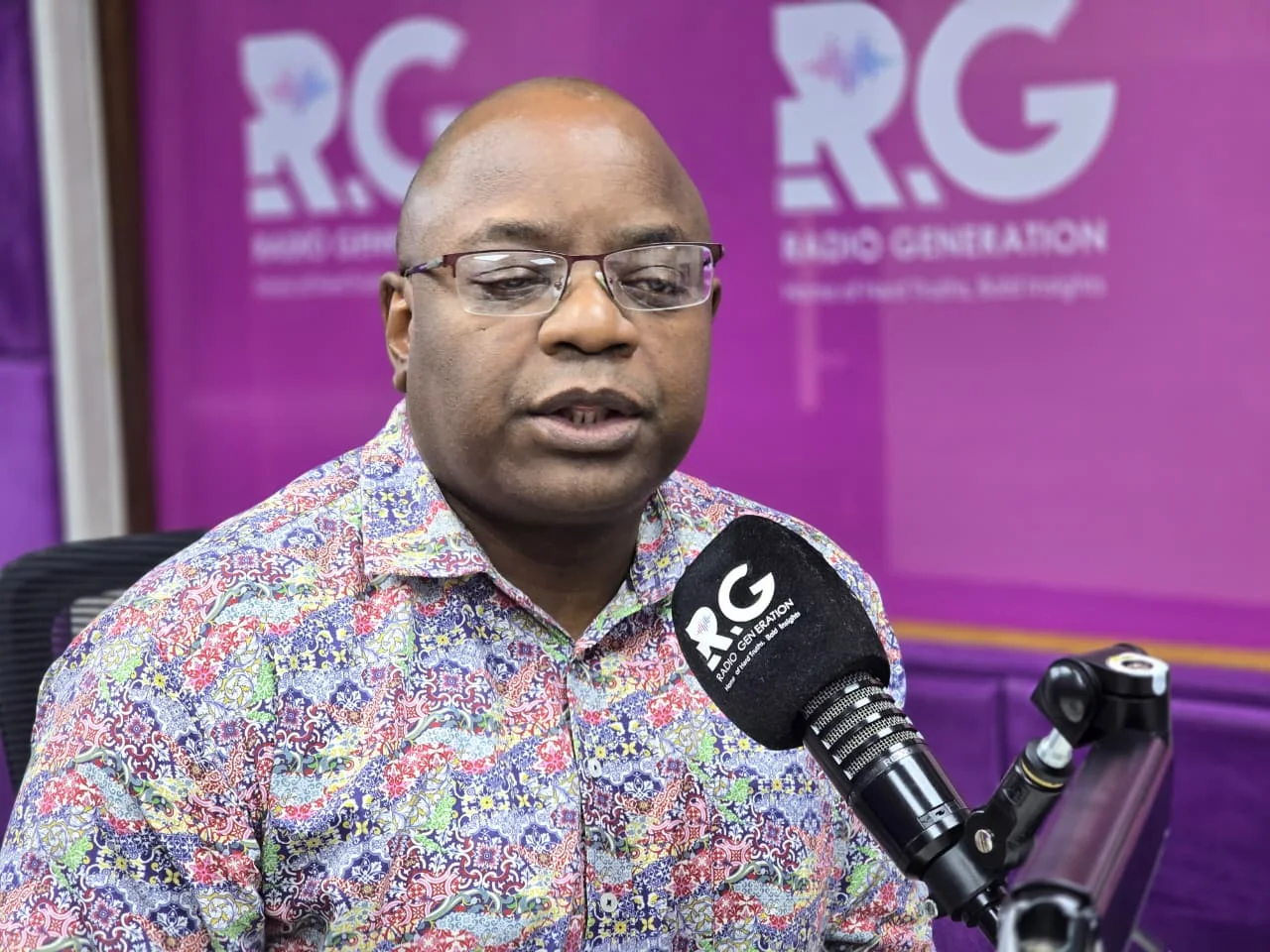
Political risk analyst Dismus Mokua has criticised Kenya’s personality-driven political party system, arguing that wealthy politicians are increasingly forming parties to position themselves as power brokers ahead of the 2027 General Election.
Mokua says some politicians establish parties despite having little chance of winning the presidency, using them instead to secure a place in political negotiations and bargain for influential positions, including running-mate slots and Cabinet appointments.
Speaking on Radio Generation on Tuesday, he argued that the trend has turned political parties into vehicles for individual ambitions rather than institutions built on strong democratic structures and grassroots participation.
Mokua said party formation is largely driven by individuals with sufficient financial resources and political capital who want to elevate themselves into influential political figures, commonly referred to as principals.
“If you now want to be called a principal and you've got some money, you go form a political party, whether or not you're an MP,” he said.
He argued that some politicians establish parties knowing they lack the numbers and political capacity to become president but hope to participate in coalition negotiations that could secure them influential positions in government.
“Some establish political parties, knowing very well that they do not have character, capacity, or competence to become president, but they are applying to be a running mate, or they want to be Cabinet Secretaries,” he said.
Mokua also questioned the commitment of political parties to internal democracy, arguing that many avoid genuine grassroots elections and instead rely on national delegates' conferences where leadership positions are often predetermined.
He said parties represented in Parliament receive taxpayer funding but remain reluctant to open their leadership structures to competitive elections.
“Do you know any political party in Kenya that has had genuine grassroots elections? Kutoka mashinani back at the national level, can you actually have the elections?” he posed.
However, Mokua noted that financial resources alone do not guarantee political influence, arguing that politicians must demonstrate a substantial following to command attention during coalition negotiations.
He cited Nairobi Senator Edwin Sifuna as an example of how popularity can translate into political influence, even without substantial financial resources.
“People are the determinants, not the person. The person people have chosen to follow is then in a certain position,” he said.
According to the Office of the Registrar of Political Parties, Kenya has 107 fully registered political parties, following the registration of five additional parties on October 14, 2026.